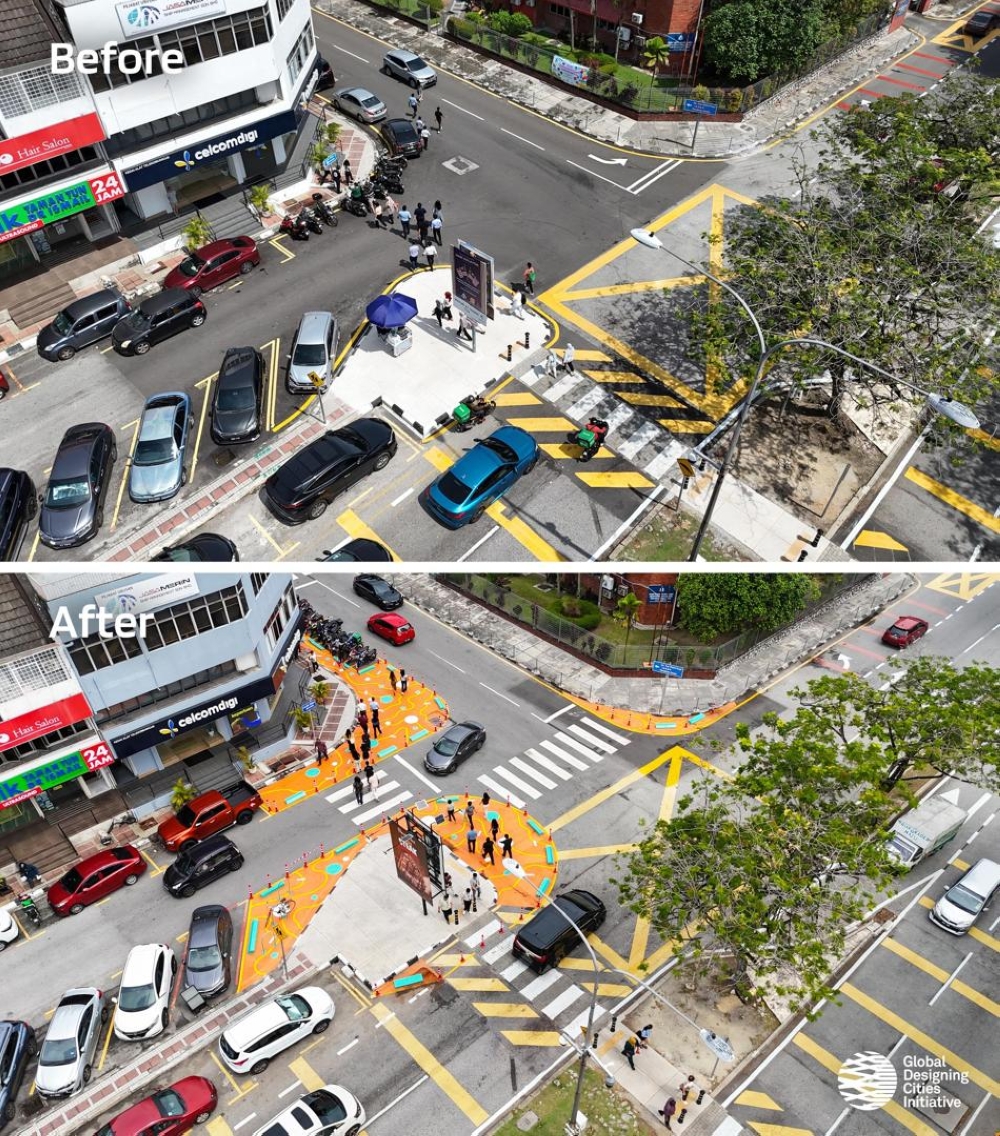
KUALA LUMPUR, Feb 10 — The recent road alterations at Taman Tun Dr Ismail (TTDI) were necessary to eradicate illegal parking and make the streets safer for pedestrians, consultant partners of the Kuala Lumpur City Hall (DBKL) said today.
Global Designing Cities Initiative (GDCI) programme manager Jaswanth Tej Kasala said the safe street intervention was implemented after consulting all stakeholders since April 2025, including a meeting with the TTDI Residents’ Association (RA) on December 8, 2025.
Jaswanth said the first phase completed last year involved:
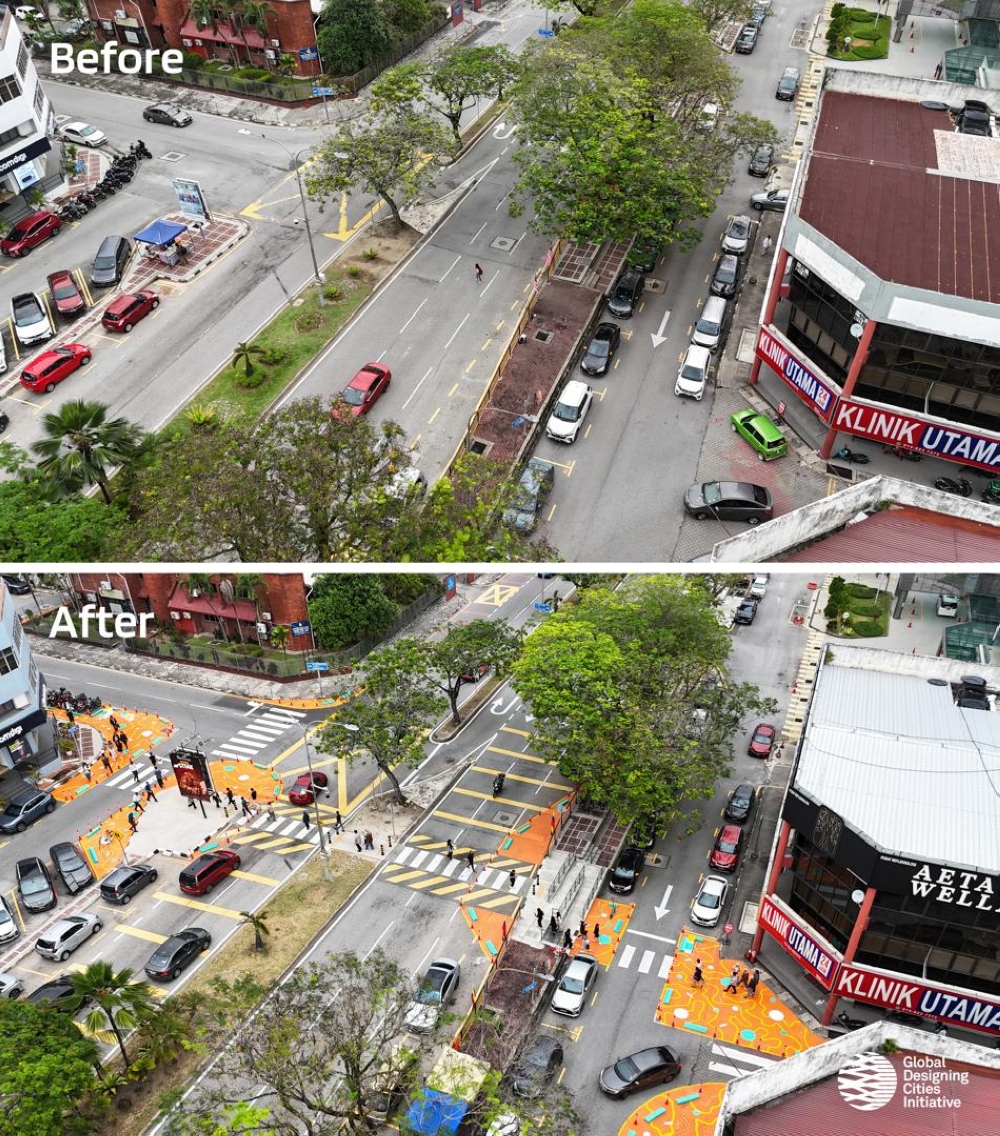
- A raised pedestrian crossing on Jalan Tun Mohd Fuad for pedestrians to cross the six-lane-wide thoroughfare.
- Upgraded staircase with wheelchair-ramp leading up to the main road.
- Signalised crossing and extended sidewalks further down the road, at the intersection of Jalan Tun Mohd Fuad and Jalan Datuk Sulaiman.
Meanwhile, the second stage completed recently involved kerb extensions to service roads on both sides of Jalan Tun Mohd Fuad (near the CelcomDigi store and the intersection of Mr DIY and a 24-hour clinic).
What led to the safe street intervention?
Prior to the road alterations, Jaswanth said the Jalan Tun Mohd Fuad road (on the CelcomDigi store side) lacked a zebra crossing and illegally parked vehicles often blocked the pedestrian path.
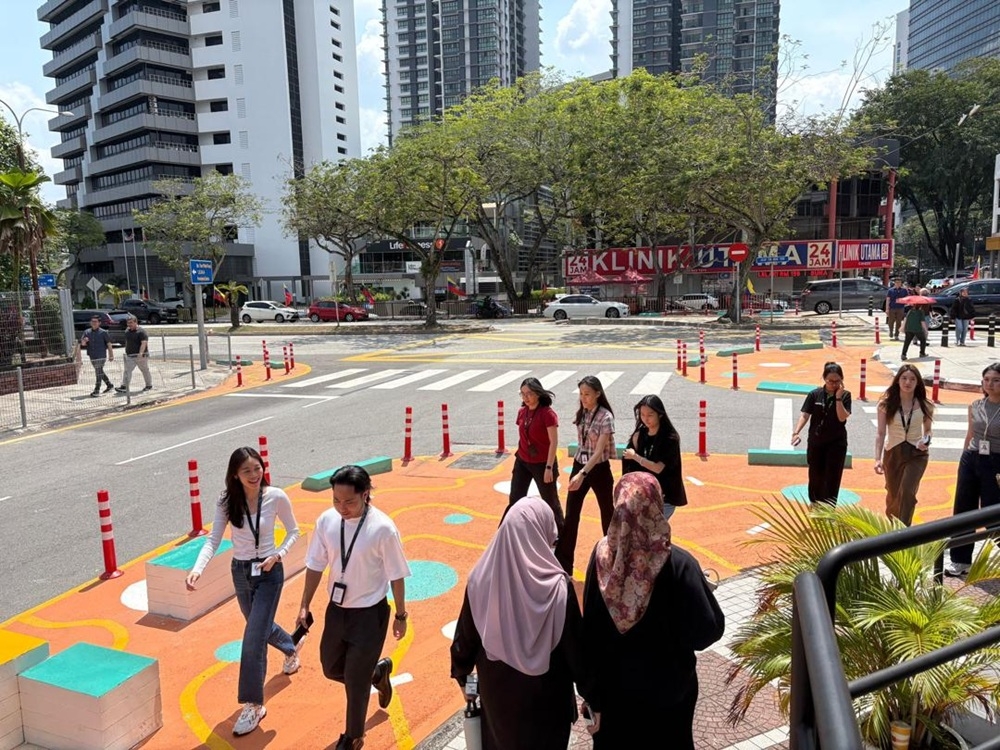
“The kerb extensions near the Mr DIY side also prevents illegal parking on the zebra crossing there, and on the raised crossing on the main road,” Jaswanth told Malay Mail.
“The kerb extensions also give pedestrians more space to wait to cross, making crossing distances shorter and safer, while the narrower lanes also encouraged drivers to travel slower and more cautiously,” he added.
The measures, however, drew objections from the TTDI RA last week which claimed that the new design can hinder fire-fighting and rescue operations during emergencies.
Citing a Fire and Rescue Department truck demonstration on January 13, the TTDI RA said the vehicle struggled to navigate the narrowed bends, especially near the Mr DIY outlet.
It also alleged that the new road layout did not comply with the minimum six-metre width required for fire engine access roads under the Uniform Building By-Laws.
Flexible poles, reduced kerb widths for safe passage
Responding to the concerns, Jaswanth said the team installed flexible poles that can bend when passing vehicles push against them.
However, he said concrete kerbs were also fitted between flexible poles to prevent vehicles from damaging the structures.
“This is preferable to having an illegally parked car in the same spot, which would completely block emergency services,” he said.
Following the fire truck demonstration on January 13, Jaswanth said the kerb width has been reduced — bringing the turning radius to 9m — to allow safe passage for Fire and Rescue Department trucks and other such large vehicles.