


KUALA LUMPUR, November 20 — NGOs feeding Kuala Lumpur’s homeless say the city’s latest bid to centralise food distribution does little to address deeper issues that need attention, including limited shelter space and centres located too far from the people who need them.
They said coordination between NGOs and DBKL has existed for years, even as they welcomed efforts to streamline operations.
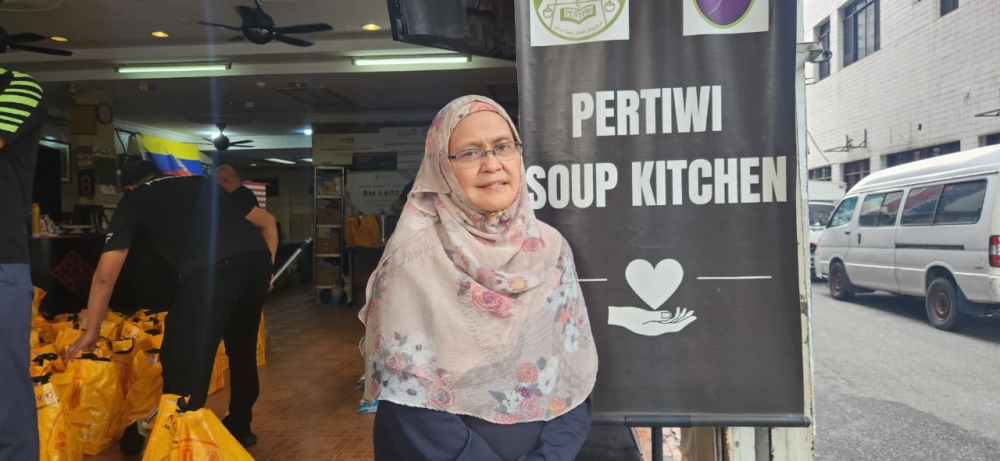
“We have been coordinating with DBKL since after the Covid-19 pandemic. So, this is not something new,” said Pertiwi’s president Laili Ismail.
“Maybe they (DBKL) want to further improve the coordination but the basic coordination has been happening for a while now,” she told Malay Mail.
She said registered NGOs already share schedules to avoid clashes and urged ad hoc volunteers to also work through DBKL.
“If other people want to give once in a while, by right they should approach DBKL and DBKL will help coordinate with us or refer them to us.
“This is so we could coordinate directly with them on what they are bringing and how much they are bringing and so that there will be no wastages,” she said.
Earlier this month, DBKL announced that food distribution must follow scheduled, centralised routes at designated centres including Medan Tuanku, Chow Kit, Anjung Kembara and Anjung Singgah.
Laili said these centres offer basic facilities for 60 to 80 people but more shelters are needed, especially for the elderly and people with disabilities.
“There are many independent people who are trying to get back on their feet… but what we need right now is more centres for these at-risk groups,” she said.
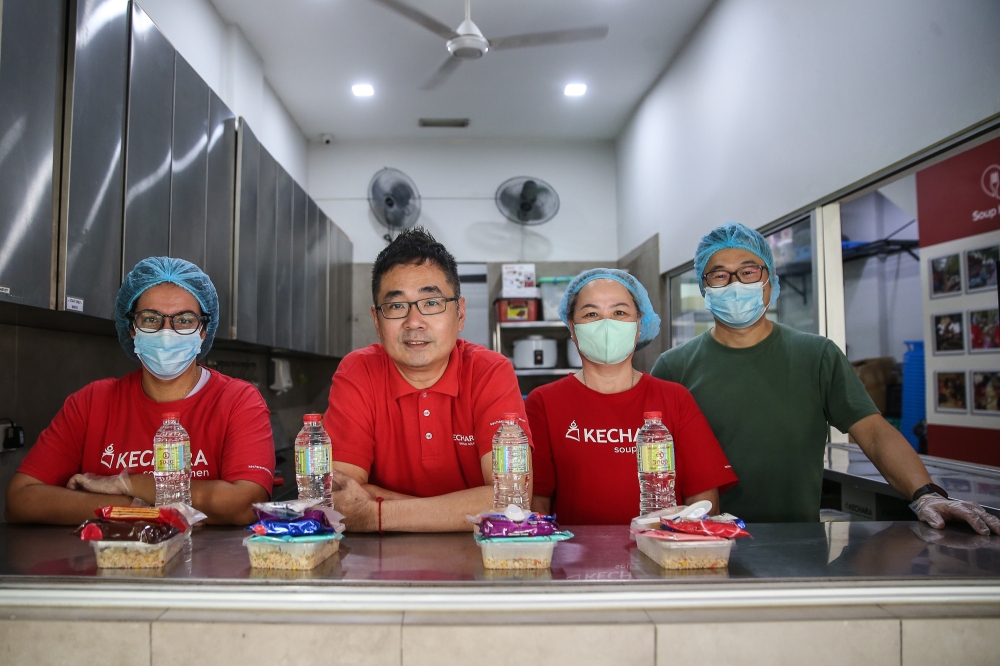
Kechara Soup Kitchen’s marketing and operations manager Justin Cheah said the biggest gap is accessibility.
“The current transit centres are only suitable for those who are staying or working around that area only.
“If he or she is working around Chow Kit, then it’s easy… but what about for those living in Brickfields or in Pudu? Most certainly they can’t go to these centres,” he said, adding that abandoned buildings in Kampung Attap could be repurposed.
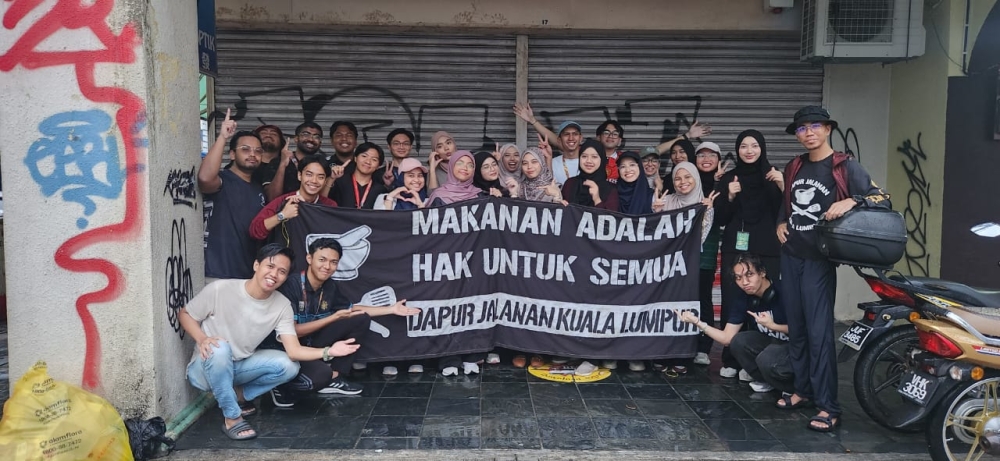
Dapur Jalanan Kuala Lumpur senior volunteer Farhan Azahan said more centres would help but rules must also reflect the lived experiences of the homeless.
“This is based on the information that we got from them — some of them felt restricted while some felt they were used.
“Especially when there are events happening at the centre which they had to attend (before receiving the food).
“So these centres are definitely a good thing, however the government can do better,” he said.
Farhan said DJKL supports better coordination but hopes it will not introduce additional red tape for groups that have long operated on the ground.
DBKL has yet to respond to queries from Malay Mail.


