


VAT 69’s deputy commander Assistant Commissioner Abd Rani Alias and general policing staff officer Superintendent Hakemal Hawari led two commando teams during the combat against the Philippine army personnel, loyal followers of Sulu’s raja muda, Azzimudie Kiram.
Abd Rani, who led the Delta team, said that the incident was the first actual combat that the troops had encountered since the communist insurgency in Malaysia, which was in effect from 1968 to 1989.
“The situation there was different, we were not facing normal criminals. The intruders are well trained army personnel and they were equipped with military weapons,” he told a press conference at the Ulu Kinta General Operations Force (GOF) base in Ulu Kinta here.
Abd Rani said his team was first deployed to the scene on February 14 following a report from the auxiliary police in Felda Sahabat in Lahad Datu on February 12 about the intrusion.
“On our arrival, we were only monitoring the area as the government policy at the time was to negotiate with the intruders. Three negotiations were held, but there was not further development.
“On February 28, we were ordered to closely monitor the area. We divided the area into four sectors and each sector was monitored by four different teams, namely Alpha, Bravo, Charlie and Delta,” he said.
Abd Rani said that the first shootout broke out on March 1 near Kampung Tandou, killing two of their commandos while 12 of Kiram’s soldiers were also shot dead.
“The first team to enter the area was my team. We entered at around 6am and checked about 25 houses. It was safe and nothing happened.
“However, at around 9.50am, we heard gun shots from different sectors. We rushed to back them up. Inspector Zulkifli Mamat from the Charlie team and Corporal Sabaruddin Daud from the Bravo team were killed in the shootout,” he said.
Abd Rani also said that an unforgettable experience in the combat was witnessing bullets fly past him, having starved for two days.
“I was lucky, nothing hit me. But the bullets came very close to me,” he said.
Meanwhile, Hakemal, who led the Alpha team, said that the area was not suitable for combat as there was not much cover in the area.
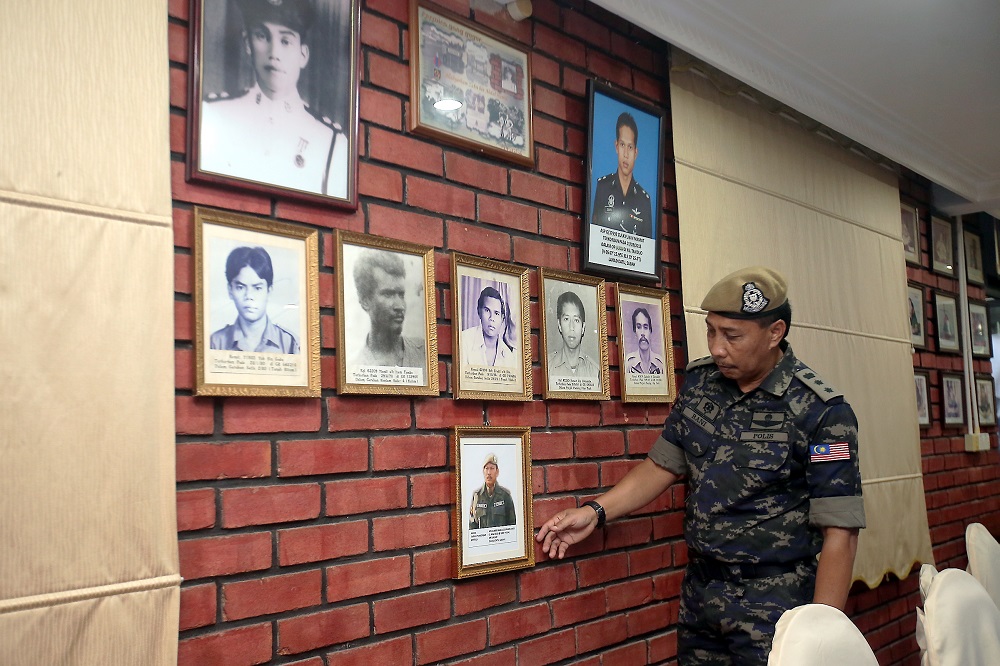
“The entire area of the militant’s base is about 10km. It was mostly filled with oil palm plantation. The area is also flat and there were no hills or trenches. Options for hiding and taking cover were minimal.
“Therefore, our best and only protection was the oil palm trees, which had a gap about six to seven meters between each tree. Most of the time we were exposed to the threat,” he said.
Hakemal also said they had to modify their combat strategy due to the challenging environment.
“It was totally a new combat field for VAT commandos,” he added.
‘Ops Daulat’ ended on June 29, 2013 when it was replaced by the Eastern Sabah Security Command. The body is now responsible for security arrangements in the area.
Between March 20 and April 1, 15 Filipino nationals were charged in court over the incursio — eight of them in the Tawau High Court while the rest in the Lahad Datu Magistrate’s Court.
The Lahad Datu standoff reportedly saw a total of 68 deaths, including 56 from the Sulu sultanate, nine from the Malaysian authorities and six civilians.
A remembrance ceremony for the 2013 Lahad Datu and Semporna intrusion incident will be held at the GOF base here on March 1.
After six years, police commandos shed light on Lahad Datu incursion


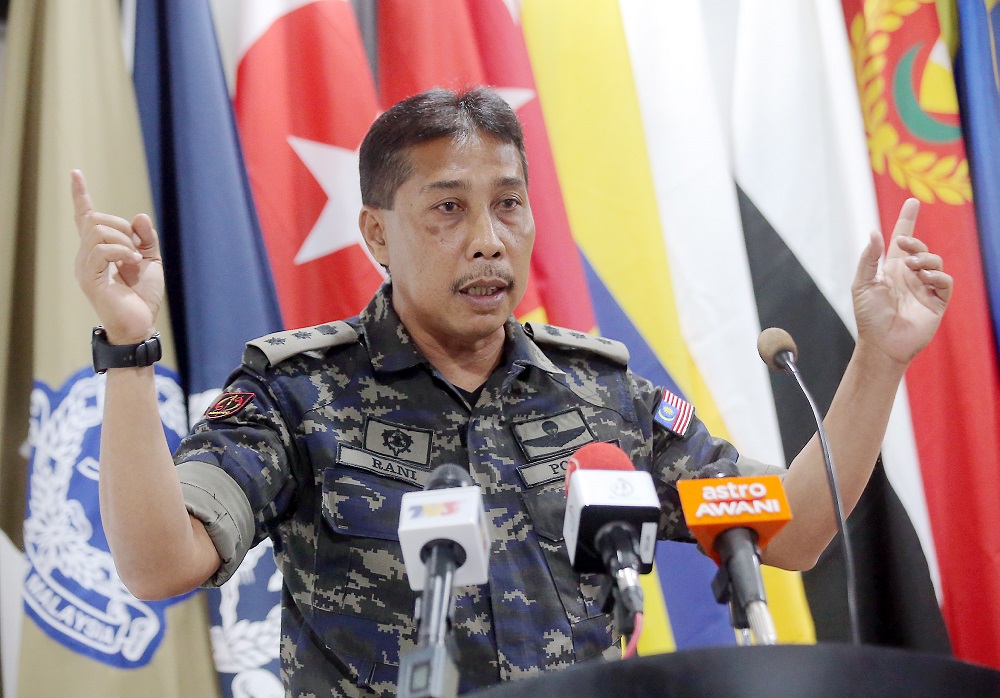
VAT 69’s deputy commander assistant commissioner Abd Rani Alias speaks during a press conference at the Ulu Kinta General Operations Force base in Ulu Kinta February 25, 2019. — Picture by Farhan Najib
Stay updated on the latest news and insights. Subscribe to our newsletter here
 Make Malay Mail your preferred source on Google Giving you news that matter to Malaysians. Make Malay Mail your preferred source when you search for news on Google.
 First Published: Monday, 25 Feb 2019 5:01 PM MYT


