


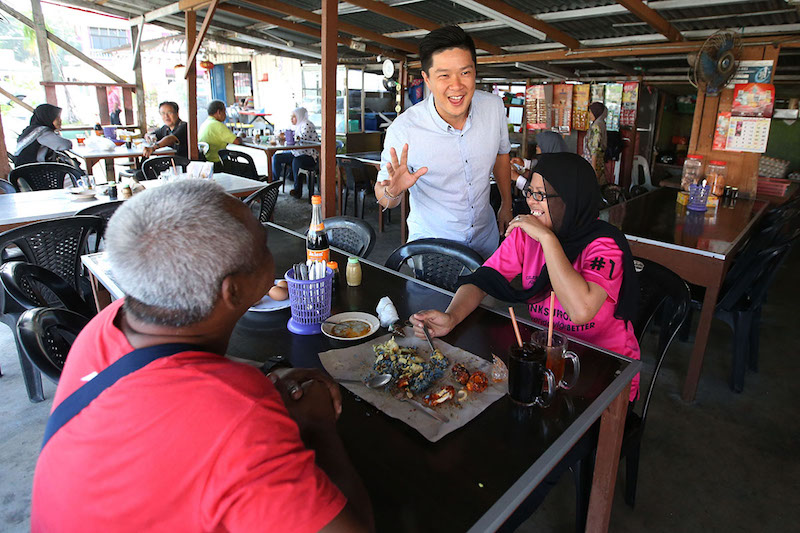
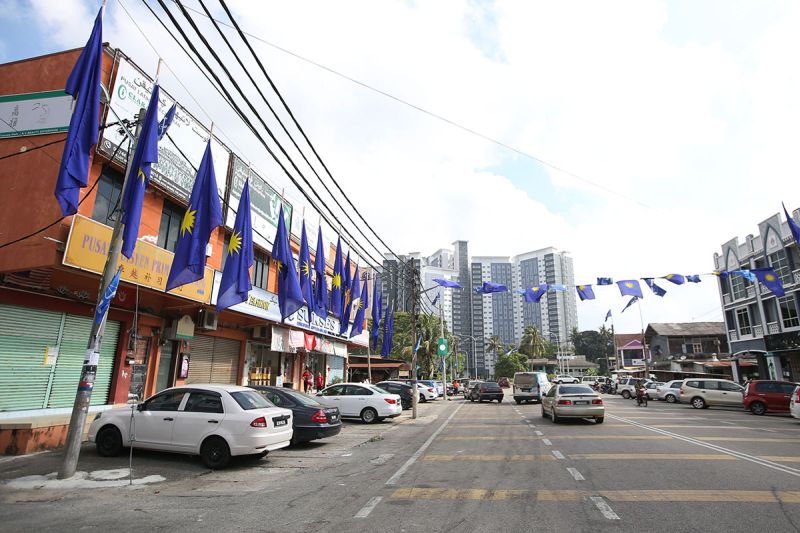
KOTA BARU, March 30 ― Chua Hock Kuan opened his public service centre here just a few months ago but he is already a familiar face in Kota Lama, long a battleground between PAS and MCA.
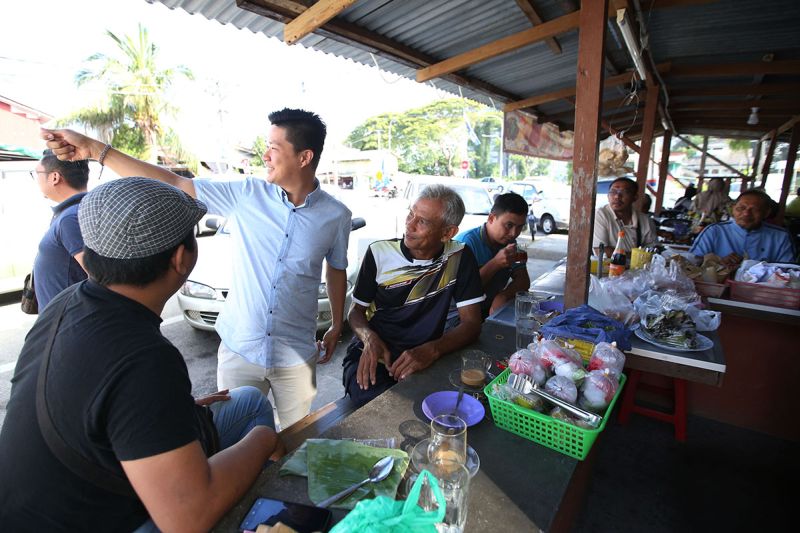
When met in this predominantly Chinese area, we could see just how popular he is. Chua was greeted by a lorry driver with a honk while standing by the road waiting for us.
And then while he was eating a breakfast of nasi berlauk and tea with us, several locals wished him good morning while others came by just to shake his hand.
Chua, who just turned 38, admitted he is grateful for the warm welcome, considering it was just roughly a year ago when he returned to his hometown after years serving under former minister Senator Datuk Raja Nong Chik Zainal Abidin in Lembah Pantai in the nation’s capital.
“I have always wanted to return because my mum and family are all here … And in 2016, I was given the opportunity to test the waters, and actively serve the community here, to see how things are.
“The acceptance has been positive. So I will continue my work here … ‘When the offer came, it was like orang mengantuk disorongkan bantal, so here I am,” he said, using the Malay proverb which means being grateful for a desired outcome.
Kota Lama has the highest proportion of non-Malay voters at 36 per cent, a marked difference from the state average of roughly six per cent.
Datuk Anuar Tan Abdullah has won the seat for Islamist party PAS since the 1999 elections, when he won it from MCA’s Leong Su Siang.
Since then, Leong and his successor Kota Baru MCA chief Tan Ken Ten have been trying to retake the seat. In 2013, Tan lost by a majority of 6,618 votes.
This time, the party is banking on debutant Chua; a fresh face against the four-term incumbent whom some think may have overstayed his welcome.
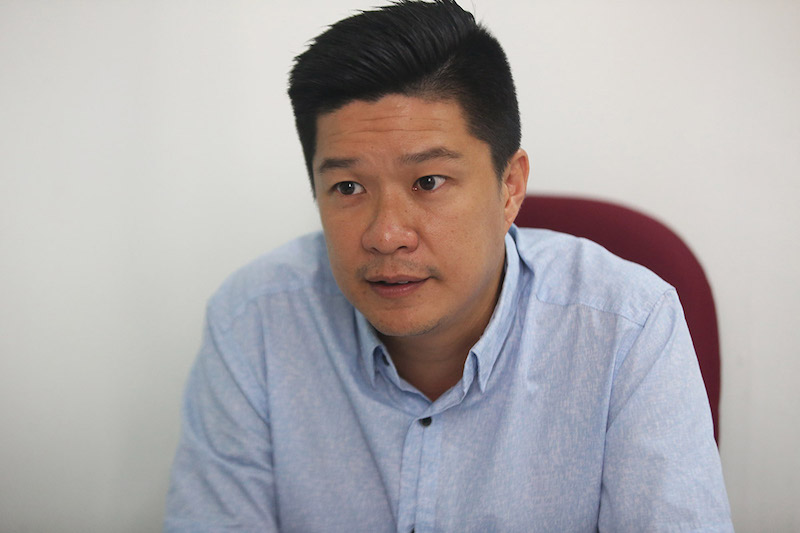
From rackets to rallies
Born in Kota Baru, Chua grew up in Wakaf Baru, Tumpat just across the Kelantan river from the state capital.
He was an avid sportsman, even representing Kelantan in badminton in the Sukma Games, before furthering his studies in Sports Science at University of Malaya.
It was there that he first dipped his toe into politics, representing the pro-establishment Pro Aspirasi student group and was appointed vice-chair of the students’ representative council in 2005.
He later join MCA as its Lembah Pantai Youth secretary, before being scouted to be an aide for Nong Chik, who was the-then Federal Territories minister.
“I came from here, studied here, but it is because there were no job opportunities here that I had to head to Kuala Lumpur to work after I finished studying,” Chua said.
“Many people here would have at least a few relatives residing outside the state. Usually after studying elsewhere, they would continue working there. Unless your family has a business and you can return and join the business.”
While in Lembah Pantai MCA, Chua said his achievements included the resettlement of squatters there into the People's Housing Programme (PPR) flats in 2011.
By coincidence, his service centre’s block overlooks the newly-completed RM188.6 milllion PPR flats situated in a 5.5-hectare plot in Wakaf Mek Zainab which Chua said would benefit many who cannot afford homes, even here where the prices are significantly lower than in KL.
‘Dethroning’ Anuar Tan
Chua said his strategy when it came to facing off against the popular Anuar is simple: to be sincere in helping and serving the locals, and accomplishing it faster than the busy assemblyman, who is also the state exco for industry, trade, community unity, and entrepreneur development.
“The key is service. Whenever we receive any complaint, we have to be the first to head there and solve it. We stand with the people,” he said.
His office is a small cubicle in the shoplot-turned-office; the top of Chua’s table is covered by stacks of complaint letters and documents from locals, especially water bills ― with water cuts and poor quality water among the major grouses besides drainage, road conditions, and transfer requests by civil servants.
One of his biggest bugbears is rubbish. Prior to the interview, he was seen sheepishly collecting some trash strewn in the alley next to his service centre ― “This was done by my subordinates, can’t be anyone else,” he admitted ― but he became frustrated as there was no bin around to put them in.
“PAS’ management is a bit outdated when it comes to rubbish, environment. Housing problems, job opportunities. This has been going on for a long time,” he said.
Chua said he is aware that a part of local discourse is centred around national issues that involves ruling coalition BN’s role at the federal level such as the rising cost of living and the 1Malaysia Development Bhd issue, but he downplayed its effect on the seat.
“We hear less of these big issues. But if there is, maybe among the more educated ones … if in coffee shops, it’s not as detailed. They would just mention them, but they won’t elaborate since they only heard about it during political speeches,” he said.
As for Umno’s support for PAS’ Shariah Bill, especially minister in charge of Islamic affairs Datuk Seri Jamil Khir Baharom and his deputy Datuk Asyraf Wajdi Dusuki, Chua insisted the blame for the hudud issue is squarely at the Islamist party’s feet.
“This issue was brought up and initiated by PAS ... If PAS did not bring this up, some in Umno would not bother with it. If Umno leaders wanted to, they would have implemented this even 50 years ago,” he said.


