


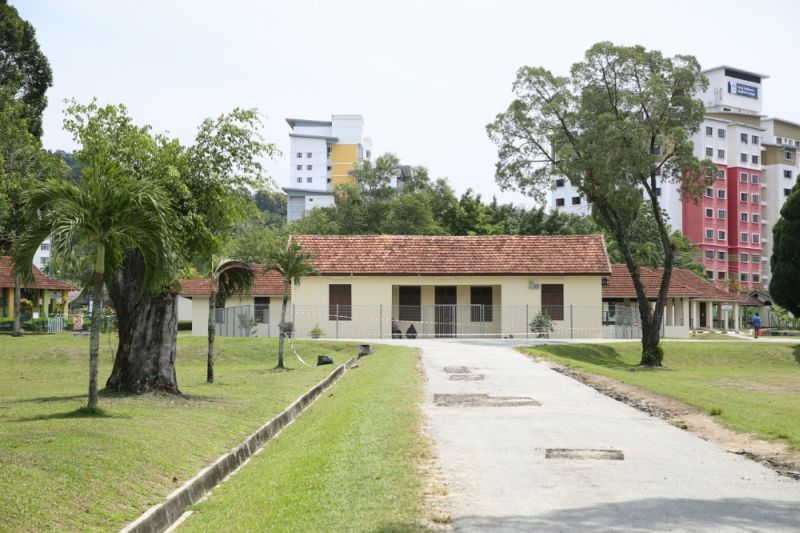
KUALA LUMPUR, Oct 24 ― Mention Sungai Buloh to most people under 40 living in the Klang Valley and there will not even be a flicker of recognition for what used to be home to the second biggest leprosy settlement in the world.
Set up in 1930, the settlement is largely forgotten now but one woman is determined to remember the people who lived there by starting a “story museum.”
Heroes of Sungai Buloh
Tan Ean Nee, who is spearheading the project, said the objective is to restore the dignity robbed from these leprosy survivors. They were shunned by society before an effective cure for their disease was found.
Tan, who spent the last 10 years researching the settlement's residents and helping them find the children they were forced to give up at birth, said it was time to fill in the gaps in their history.
"It's time to do it because we have already accumulated so many years of experience here with our activities and our direction is very clear… which is to preserve personal history.
"If you want their personal history to be complete, you have to trace the missing puzzle in their lives... they want to search for their separated family members. So if we can make a person's history complete, this settlement's history also has to be complete… so we do a bigger project which is the story museum project," the Sungai Buloh Settlement Council (MPSB) member told Malay Mail Online recently.
Tan and her team of professionals are working to collect oral histories from the remaining 138 leprosy survivors still living in the settlement, with the youngest aged 64 and the oldest already 95.
With 90 per cent of those remaining being Chinese and the rest Malays and Indians, there is the additional challenge of most of the old folks only speaking in dialects such as Cantonese and Hokkien.
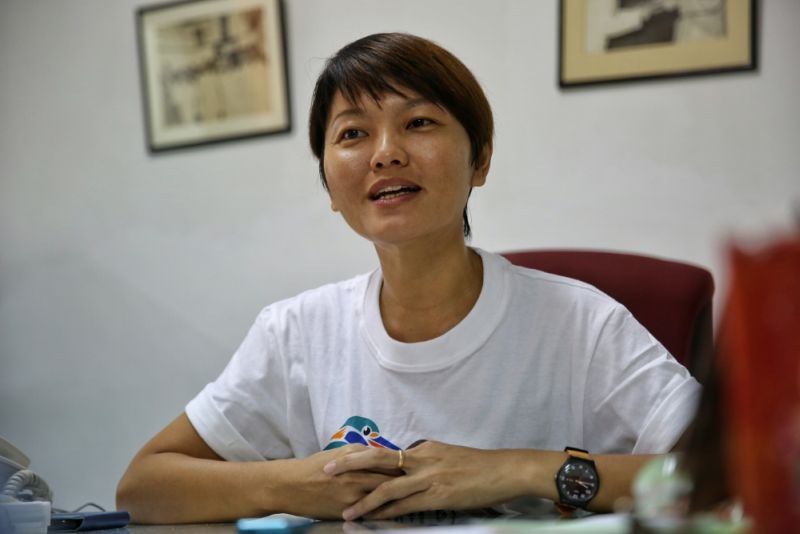
"These old folks ― if we don't record down their life histories, they will be gone… so we really hope to ask them: 'When you were young, how did you wash clothes? How did you distribute food?' So from one person's life history, you can see how the British administered this settlement," she said.
“We feel that heritage preservation is not only about preserving the physical buildings, but also the residents' memories, emotions and their personal histories," the former newscaster and television producer said.
Tan shared some fascinating details of life in the settlement dubbed the "Valley of Hope", noting that it had 2,440 inmates of various races and nationalities at its peak with 600 of them working daily and contributing to the running of the self-contained settlement.
"In the past no one dared to come in to work, all the work in the settlement were done by the patients themselves, so some were yu sang chai (ward attendants), missy chai (inmate nurses), police, postman and workshop supervisors, they all contributed greatly to this settlement ― even if it's a laundry worker, grasscutter, section steward who distributed food," she said, adding that jobs were in high demand and some stood in for others as ganti or replacement workers.
Currently about 10 per cent of the residents at the Sungai Buloh settlement still run nurseries ― a legacy of the late settlement director Dr KM Reddy’s efforts in the 1950s and 1960s to encourage the public’s acceptance of leprosy patients through the sale of inmate-cultivated plants.
Brave ambitions
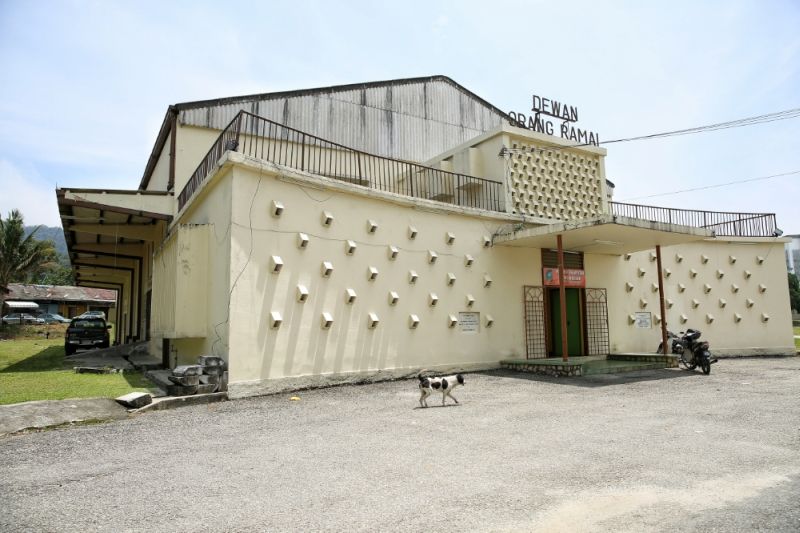
The story museum's proposed site is at the Dewan Orang Ramai Sungai Buloh, which was opened by the country's first prime minister Tunku Abdul Rahman in 1959 and had formerly served as the settlement's cinema.
Among other things, Tan said the story museum is expected to feature video interviews of the leprosy survivors with subtitles in three languages, as well as interviews with all those who were part of their lives ― such as former doctors, former settlement directors, welfare homes that took in the patients' children.
No entry fees will be charged for the story museum which will be self-sustaining through paid guided tours of the settlement and merchandise sale, with the focus being on correcting society's past treatment of those who suffered from the now-curable infectious disease.
While some of the leprosy patients had voluntarily entered the Sungai Buloh settlement to avoid social stigma towards their families, some were forcibly separated from their families under a colonial-era law and health policy and had to endure emotional pain again when their children were taken away.
"The forced segregation policy and the 1926 Leper Enactment Act strengthened the bias and discrimination against leprosy patients… their families were also deeply affected because of society's long-term demonisation, lack of understanding and fear towards them. This caused some of the descendants to be unwilling to return to search for their roots as they were fearful of social stigma.
"So we want to pass correct information to our future generations, we hope to rewrite history and most importantly let this history be complete, not just touching on the surface and government policies only. What we want to see is the voice of the people, the families affected by leprosy ― their hopes, their wishes, their pride," she said.
Tan also envisions the story museum kickstarting greater interest in the Sungai Buloh leprosy settlement, hoping that this will lead to the colonial-era area eventually being recognised as a national heritage site and a Unesco World Heritage site.
She points out the rich heritage of this settlement ― the world's second largest leprosarium after the Culion leper colony on an island in the Philippines, and the largest inland leprosarium globally ― highlighting that it was designed in an orderly fashion long before there was town-planning in then Malaya and even had its chalets’ features used as the model for the Chinese new villages set up to curb Communism’s spread after World War II.
The government is already working on six galleries within the settlement including an artefact museum and library, but Tan said the story museum project has been endorsed by Hospital Sungai Buloh and the National Leprosy Control Centre and complements the government's efforts.
"We have the same aspiration as the hospital, in the future this place will be operating on an open museum concept, when people come in, if you want to do research you go to the government's research centre, you want to see artefacts, you go to the artefacts gallery, if you want to listen to stories, you can come to MPSB's story museum," she said.
Funding
For the community-driven project, Tan hit on the unconventional method of raising a targeted fund of RM500,000 through local crowdfunding website Mystartr, with financial contributors to the project to receive various rewards.
The fundraising project dubbed "You are the Hero" outlines the timeline for the story museum that is scheduled to be opened on August 15, 2017 ― the leprosy settlement's 87th anniversary.
The Dramatic Art Society will also be performing a play in Mandarin with English subtitles titled "Valley of Hope" on November 26 and November 27 at the Damansara Performing Arts Centre with proceeds to go to the story museum project.
Heritage tours of the Sungai Buloh settlement at RM28 per person for a minimum 10-pax group are being conducted by volunteers on weekends to fund the story museum's preparation works and its future operations. The tours, lasting over two hours, can be booked through the Facebook page of "Valley of Hope Heritage Tours", Tan said.
This is on top of the usual method of tax-exempted direct donations to the Sungai Buloh Settlement Council.


