


KUALA LUMPUR, Oct 23 ― When the world was introduced to MP3s and music streaming a few years back, observers ― whether they liked music or not ― immediately predicted this would be the end of days for CDs.
Much like the fate of vinyl records and those rectangular things called cassettes before that with the coming of CDs.
And to some extent, they weren’t wrong. The digital revolution sent most record stores in Malaysia and the world over to their deaths.
With smartphones and cheap high-speed mobile internet, everything is about streaming now. Even the iPod is heading the way of the Discman. Does anyone below 20 even remember what that is?
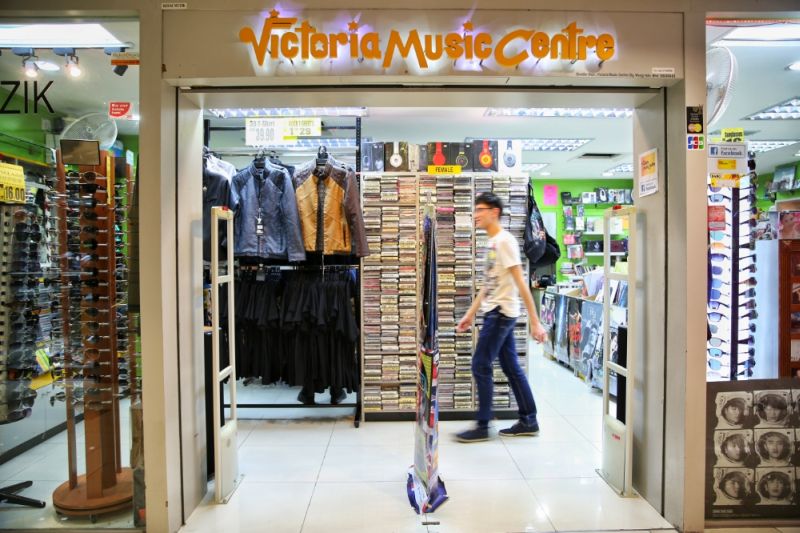
Yet a few independent music stores are still surviving despite the massive digital “disruption” (a term used by economists to describe the disruptive change in a particular business model). One of them is none other than my beloved Victoria Music Centre which has been in the music-selling business for 40 years.
Tucked away quietly in the less-busy alley of Sungei Wang Plaza’s ground floor, Victoria Music Centre, or just Victoria as most of its regulars and I call it, wouldn’t exactly fit your average definition of an independent music store.
Opening its first store in 1976 in Pertama Complex, Victoria Music Centre always tried to be that perfect music store. And to some extent it was. Always tuned in to the trends, its staff, some of whom had worked there for 30 over years (the intimidating but really nice hippie-looking Jaime being one of them), had the insight to predict the growing diversity of music tastes out there.
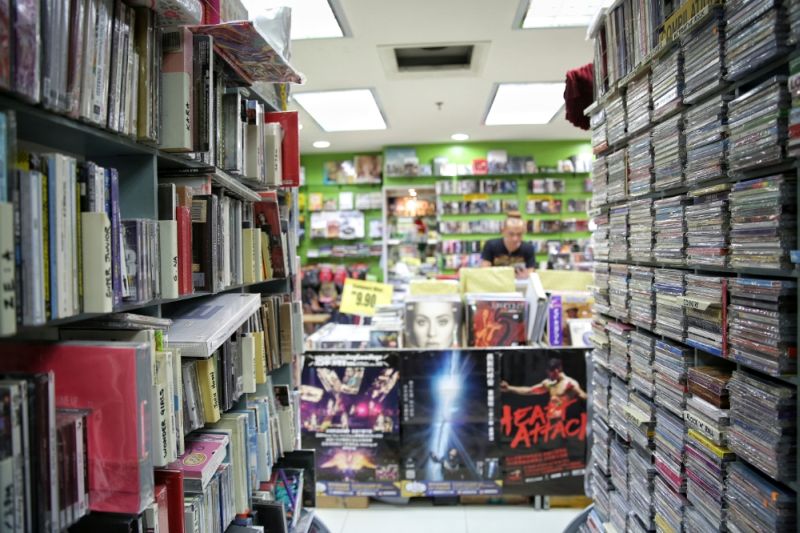
Today, the selection of music there is so mixed you’re likely to find a guy clad in a Cradle of Filth T-shirt standing next to a hip-hopper. It’s something you’re unlikely to see in most independent music stores which tend to focus on specific genres; Campbell Store’s “Kedai Aunty” (the shop actually doesn’t even have a name) for metalheads, Teenage Head Records in PJ for rock and punk and Basement Records in Bukit Bintang for EDM come to mind.
This was what made Victoria Music Centre stand out among its contemporaries like the now defunct Salem Power Station (in Lot 10) or other smaller independent stores at the time.
Their catalogue boasts impressive discographies ranging from jazz heroes John Coltrane and Charles Mingus, to legendary songwriters Tom Waits, Iggy Pop and Kate Bush, to more niche sounds like those of DC and the New York hardcore or British New Wave scene.
For a shop that plays Cantopop or Mariah Carey on the stereo most of the time, Victoria Music Centre is not your average Ah Pek store.
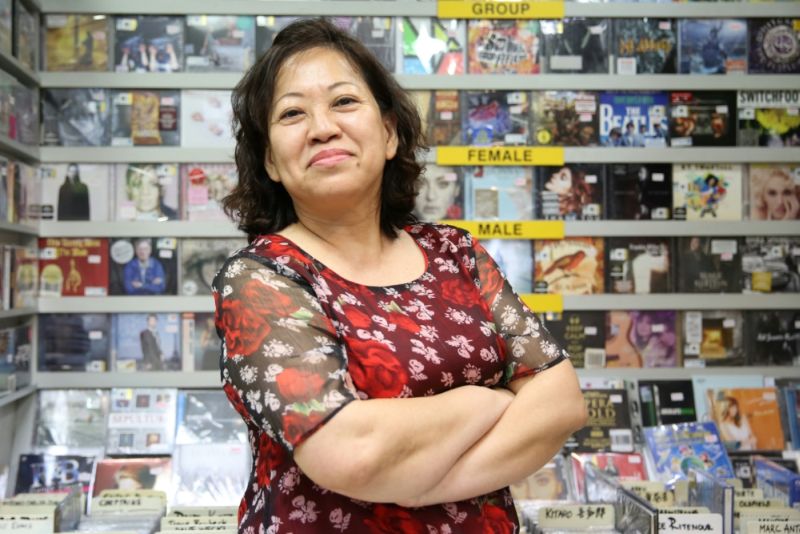
But things aren’t looking too good now. Sales of CDs, its primary product, has plummeted by at least 60 per cent. Owner Datuk Jenny Lim said the three stores (one in Amcorp Mall and another in Shah Alam) are seeing fewer and fewer customers walk in.
“Very slow now. It wasn’t like the 90s… even the recording labels are closing shop. So even if want to sell CDs, the agents are not coming anymore because they stop producing CDs already,” Lim told Malay Mail Online in an interview recently.
No sound aficionados
Like in most of the world, music stores are dying in Malaysia. There is no available data to indicate just how many of these shops have been swallowed or chewed up by the streaming revolution, but music lovers of the older generation will tell you that the music store era is on its last legs.
A good indicator is the depleting sales of CD players. Ask the audio snobs at your nearby specialised hi-fi shops, or even your average electrical appliances chain stores and they will tell you the CD player is a fossil.
“Nobody buys the CD player anymore. Even the mini hi-fi sets, they’re all Bluetooth since most kids today listen to music on their phones,” Roy, a staff with high-end sound system specialised store, Audio Visual World Sdn Bhd, told Malay Mail Online.
So how is the younger generation listening to music nowadays? Roy pointed to a small six-inch wireless speakers by Beats, the company that started out as a headphones maker founded by rap megastar Dr Dre, and later bought by Apple in a multi-billion dollar deal that got tech geeks laughing since they claimed it costs less than US$10 (RM41.80) to make a pair of Beats headphones.
These brightly-coloured Beats speakers, created after the Apple takeover, connect to your smartphones via Bluetooth, which is what makes it so appealing to most youths today since it can be carried and played just about anywhere.
Since millennials and mobility go hand in hand, sales of Beats speakers, or any other speakers with Bluetooth for that matter, boomed.
“We sell a lot of it. Also headphones. That’s how they listen to music today,” Roy said with a baffled smile.
Baffled because Roy thinks youths today settle for mediocre quality sound. That doesn’t mean they don’t like music. They do. But most just don’t even know what defines good sound.
As audiophile magazine writer Erica Ogg wrote for CNET back in 2008, most music lovers of the older generation made it a must to invest in high-fidelity speakers and systems that could play back songs that sound exactly the same as the original performance.
But mention high-fidelity and system in the same phrase and the girl with the bright red Beat headphones on is likely going to give you a blank face, or she would quietly think you’re a dinosaur (from my personal experience). For them, if those small speakers can blast Kanye West’s Gold Digger with bass enough to rattle the coffee table, it’s already “audiophile” stuff.
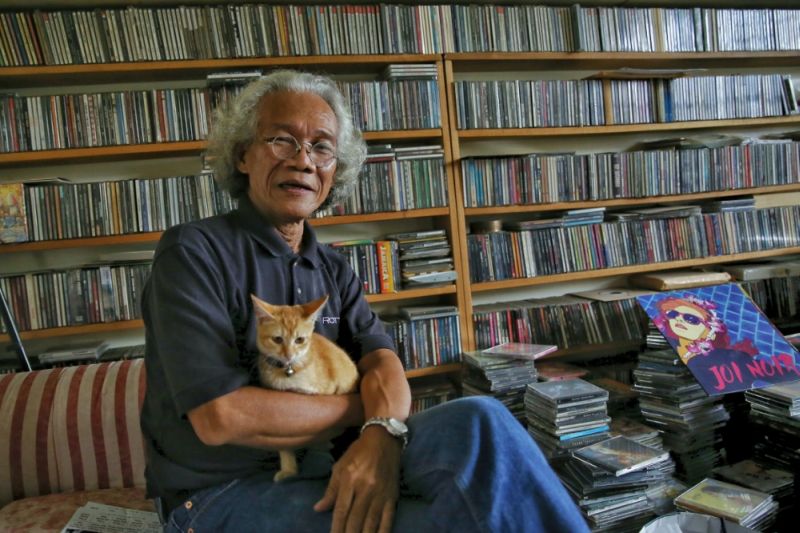
All this signals a dying culture, said owner and editor of ROTTW (likely the only credible music magazine in Malaysia) 62-year-old rock scene legend Mohd Rom Mohd Nor, or Abang Rom as he’s popularly called.
As a self-professed nerd with almost anthropological knowledge about music (he owns over 7,000 vinyls, CDs and cassettes), Rom has every right to mourn the disappearance of the physical music collection culture.
Like most of his generation, Rom believes buying music physically was a sacred act, the ultimate sign of respect a fan can give to the artist. Apart from attending an actual gig.
“If you appreciate, you will buy. You consume his work in real hard copy. Music is a representation of the (artist’s) mind. I go for the mind,” he told Malay Mail Online.
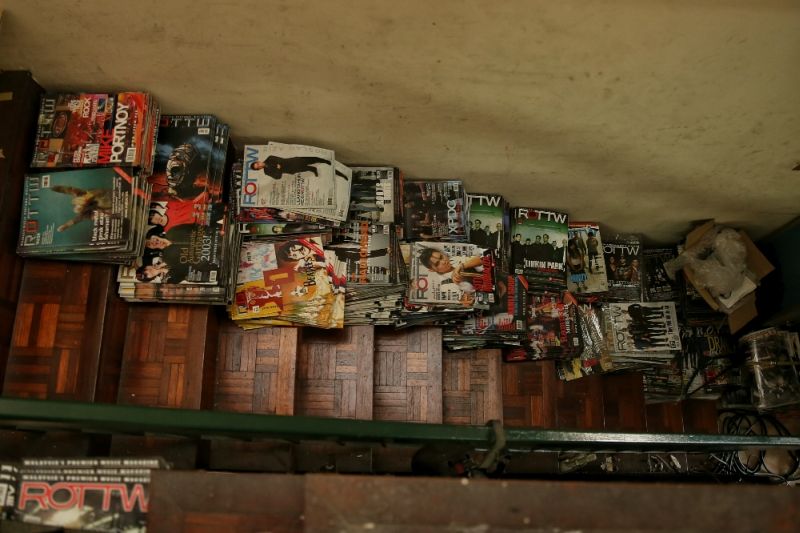
Living off memories
Rom began collecting music in 1969. This guy loves his music so much that when he didn’t have that much money as a teenage music fan, he’d copy or “dub” the records he wanted at RM5 a pop.
It’s not piracy though. “Dubbing” records was as common as rice then and it was a service readily available at all music stores. In his time, they dubbed on records. My days, we dubbed on cassettes. And if you’re crazy enough about the bands, and most of the time we were, you’d Xerox the album layouts too. In black and white, mind you.
Rom believes he’s coughed up close to RM100,000 for his collection, and he continues to buy until today albeit at a little slower pace.
“It wasn’t even about any particular music then,” he said as he recollected his collecting days in Port Dickson, Negri Sembilan, where he grew up. “It was about getting your hand on everything possible. From jazz to folk to rock and blues. I was listening to everything.”
I was lucky enough to get a look at Rom’s eclectic collection. From jazz violinist Jean Luc Ponty to a full box set of Janis Joplin and Nirvana, all the way to Ravi Shankar, there was almost nothing you could not find on those dusty shelves of his.
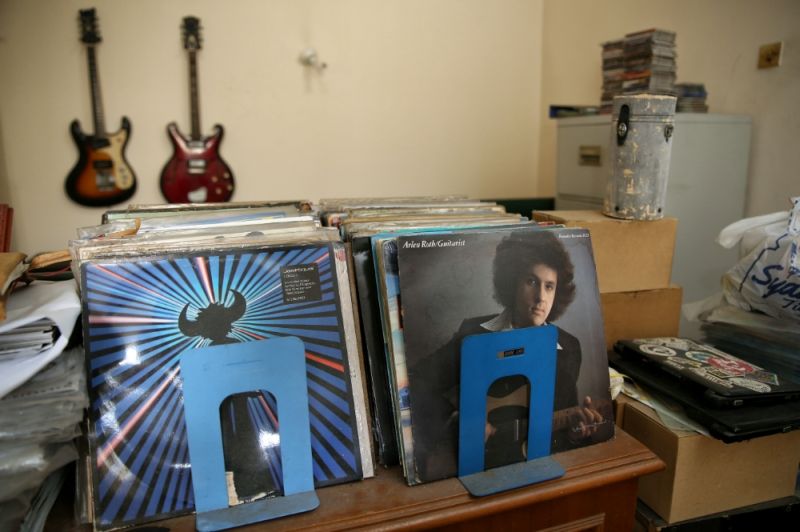
There were records and CDs everywhere. Under his table, on the cabinet where he stores his shoes. It is a double-storey house with four rooms on the second floor. All four rooms had CDs and records in them. The ground floor is where he stores his “live” sound system and instruments.
It’s hard to describe in words the gratification you get from collecting. And Rom agreed. It’s an excitement only genuine music lovers understand. Back in the 70s, Rom said going to the record store “was the project of the day.”
Kids then had to put in effort in order to acquire music. They didn’t have the internet to Google for information, so record stores were the place to be at. Information, or “knowledge” as scenesters call it, was traded through conversations.
Rom said he now tries to continue that music-loving tradition with his two kids, all grown up and in their 20s. Rom says they too stream most of their music, but there are some records they would listen to on the CDs, which is something he appreciates although he’s accepted the fact that physical music may not exist anymore soon.
“Sometimes I see my CDs are missing from the shelves, and I know it’s my kids. I’ll find the CDs in their computer. It’s a good thing. Maybe they’ll appreciate it one day”.
And it’s this kind of personal effort by music-loving fathers or mothers to teach their children about music that is keeping the few record stores in KL alive today.
Lim said Victoria Music Centre survived because of their regular customers, who not only continue to frequent the shop, but have brought their kids with them.
“Our regular customers still come and they brought their kids with them. They also teach their kids about the music they love. The kids have grown up now and I see them coming to the shop with their friends,” she said.
But will the loyalty of regulars, who spend an average on three CDs per visit, be enough to sustain their business in the long run? Lim said she’s not sure.
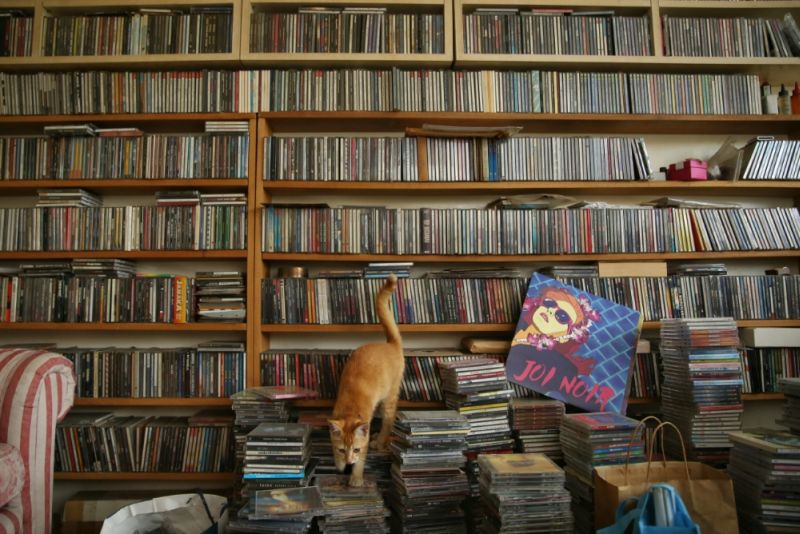
But there is some tiny hope that the collecting culture could make a comeback. Records are apparently back in trend, and the company’s branch in Amcorp Mall has stocked up a decent list of records in their catalogue.
All in all, Victoria Music Centre has done quite well in the face of change. It faced quite a number of competition in its four decades in business. When Tower Records came on the scene in the late 90s, which later fuelled rumours that HMV was also interested in setting up here, some fans said the company would fold. It didn’t.
In fact it outdid the US-based music hypermart which started as a giant store in then KL Plaza but downgraded to a tiny backend shop inside a book store. HMV never even came to Malaysia.
But the digital revolution that has taken over the music world is no small thing. And as memories and nostalgia fade, only time will tell if my beloved Ah Pek music store can indeed survive.


