


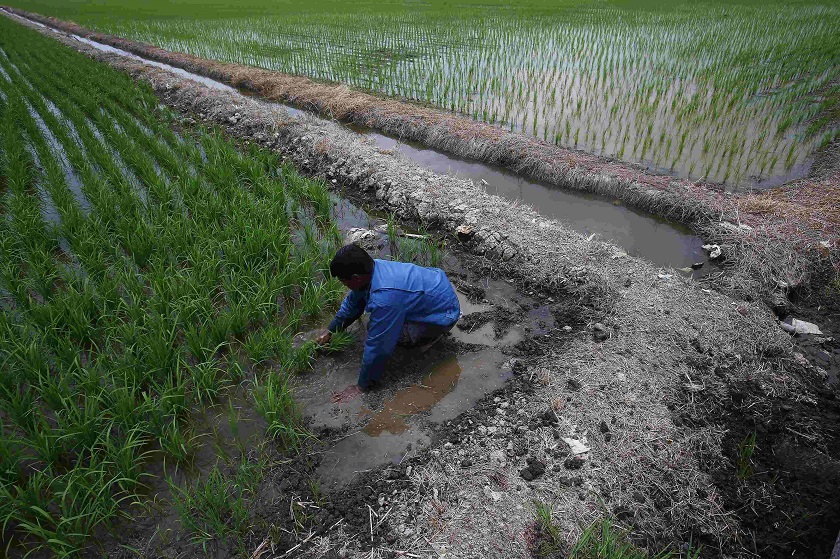
PETALING JAYA, March 22 — Rice yields could fall by as much as 13 per cent because of the heatwave sweeping the country, a Mardi senior official said yesterday.
Research centre deputy director Norlida Mohamed Hamim said crop modelling simulations showed this would happen if there was a two-degree temperature rise above the normal threshold.
“This would have a negative impact on rice fields in Kedah,” she said.
Norlida, attached to the Climate Change, Adaptation and Mitigation Programme, Agrobiodiversity and Environment Research Centre, said even more worrying was the anticipated 15 per cent drop in seasonal rainfall.
She said this could result in much higher drop in yield.
She said Malaysia produced up to 65 per cent of its domestic rice demand, with Kedah supplying more than 50 per cent of this.
There are two padi farming seasons a year — from March until August and September to February.
Norlida said higher temperatures were directly linked to lower rice yields, with a drop of up to 10 per cent for the increase of every one degree hike in temperature.
“High temperatures, even for several hours, during flowering season can cause complete sterility. High temperatures during ripening causes reduced grain filling and can lead to broken grains.
“Hot weather and irregular rainfall also cause an increase in attacks by pests and diseases such as rice leaf blast,” she said.
Rice leaf blast is the single most damaging disease affecting rice.
Last Saturday, Agriculture and Agro-Based Industry minister Datuk Seri Ahmad Shabery Cheek said the ministry had put in place an emergency plan to mitigate the effects of the heatwave, including more irrigation and aid to farmers and others dependant on agriculture.
He also assured the public that the current rice stockpile was sufficient to meet domestic needs and emergency imports were not needed.
Padi is the third most widely planted crop in Malaysia after oil palm and rubber. In 2013, 674,332 hectares were planted with padi, including those planted twice a year.


