














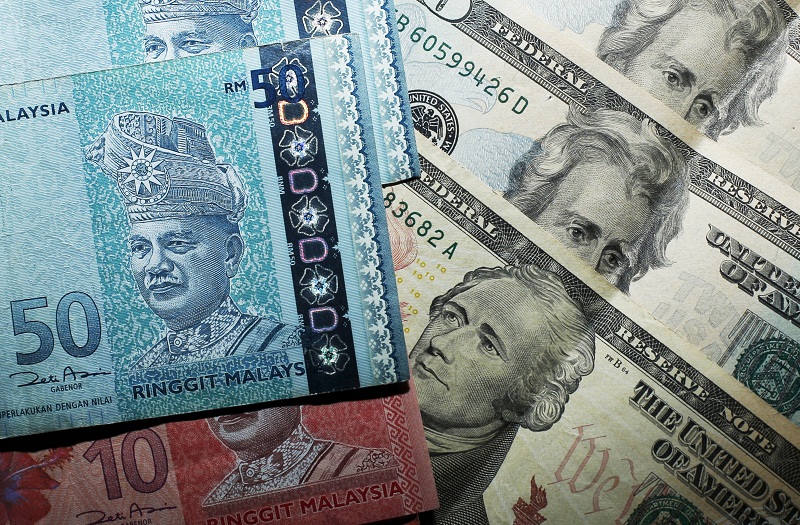


KUALA LUMPUR, Nov 9 — Malaysia’s move to allow local banks to accept deposits in foreign currency does not signify that the financial industry here is facing instability, said the Association of Banks in Malaysia.
Commenting on speculation over Bank Negara Malaysia’s decision following the continued decline of the ringgit, the ABM also insisted that the measure did not pose an increased risk of exposure to the country’s foreign currency reserves.
“While some residents have recently increased their foreign currency deposits due to the depreciation in ringgit for reasons such as immediate business needs and children’s education, we wish to highlight that the Malaysian banking system’s foreign currency deposits remain relatively small at about 7 per cent of total deposits,” it said in a statement.
The ABM also stated that foreign currency liabilities at local banks were offset by their external assets, which it said has expanded due to their growing regional trade as well as the centralised management of liquidity.
It further noted that Malaysia’s foreign reserves as announced by BNM was currently at US$94 billion (RM414 billion), sufficient to cover nearly nine months of imports or approximately three times the international benchmark.
“The Malaysian banking sector remains resilient due to sound capital ratios, solid liquidity and low credit risks. The commercial banking sector is well-positioned to weather various challenges given the system’s strong regulatory framework,” it added.
On October 29, it was reported that BNM had begun accepting foreign currency deposits for the first time in September, in an apparent bid to stem the decline of the ringgit’s value.
The move was seen as a move to bolster the country’s foreign reserves, which fell below the psychological US$100 billion mark for the first time since 2010, spooking foreign investors.
The central bank is adamant that it will not reintroduce a peg on the ringgit’s value as it did during the Asian Financial Crisis of 1997, despite the Malaysian currency falling below levels that prompted the move then.
The ringgit is currently trading at 4.39 against the US dollar, sharply down from the 3.20 level that it was hovering at last year.