


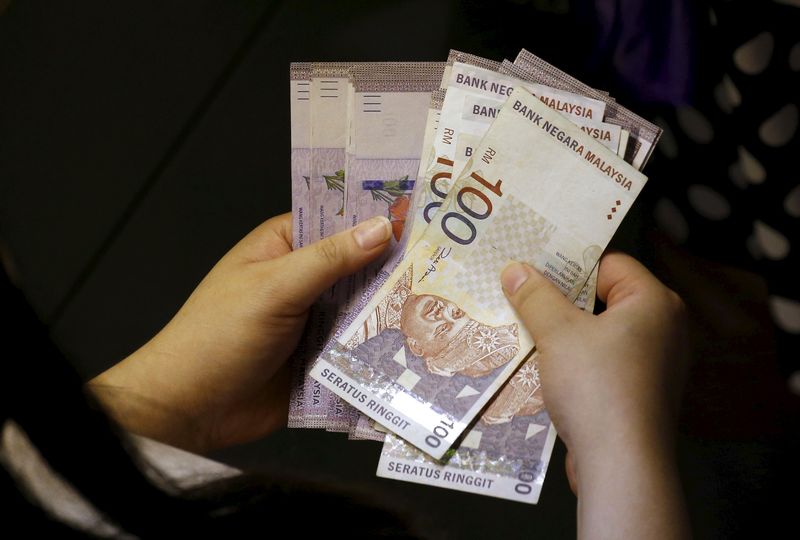
KUALA LUMPUR, Aug 27 — Ratings agency Moody’s today said “clouds are gathering” over Malaysia’s positive sovereign outlook as a weak ringgit, dwindling reserves and low oil prices have casted doubt over the country’s ability to keep its finances checked.
The firm’s South East Asian vice-president and senior analyst on sovereign risks Christian de Guzman, said whether or not Malaysia can sustain its A3 rating for the next financial term will rest on its capacity to sustain fiscal rationalisation amid a worsening global economic outlook.
“While fiscal consolidation remains intact, underlying conditions have changed,” de Guzman told a media briefing here, pointing to deteriorating growth common among emerging market due to slow growth in China, low commodity prices and weakening ringgit as among the examples.
“This has affected confidence… clouds are gathering on Malaysia’s positive outlook”.
Earlier this year, Moody’s rated Malaysia’s sovereign outlook as positive and stable following Putrajaya’s pledge to tighten its finances by rolling out the Goods and Services Tax and removing oil subsidies.
But like other emerging economies, external factors have spooked investors away from Malaysia although de Guzman noted that it remains uncertain if the negative sentiment would continue in the long run.
He also dismissed suggestions that the capital flight was driven by fear over the political crisis dogging the Najib administration, noting that the quagmire have not led Putrajaya to backtrack on its fiscal reform policies.
The ringgit, Asia’s worst-performing currency this year, hit a fresh 17-year low this week over fears about China’s slowing economy while the Kuala Lumpur composite index improved 1.1 per cent after slipping to a three-year low on Monday.
Malaysia’s international reserves have fallen to US$94.5 billion (RM400.2 billion) — the lowest level since September 2009 — the central bank said last week, raising concerns over its ability to manage the depreciating currency.
Despite the pressure, Putrajaya said it has no plan to peg the ringgit to the US dollar or impose capital controls as it did during the height of the Asian financial crisis in the late 1998.


