


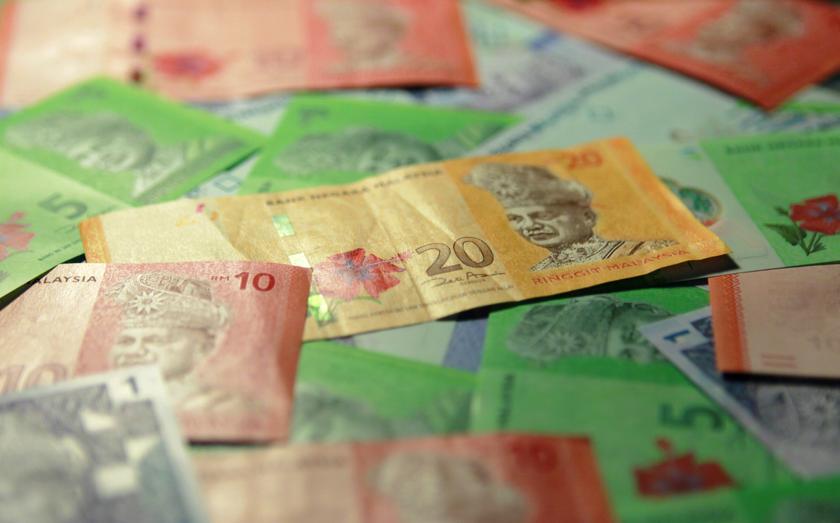
KUALA LUMPUR, Aug 11 ― Consumers can expect shopping to get more expensive in the third quarter of 2015 as the weakening value of the ringgit will lead to a hike in retail prices due to higher import costs, retailers said.
In addition to weak ringgit, continued political instability is also dampening consumer sentiment and consequently, affecting the local retail sector, said Retail Group Malaysia (RGM) managing director Tan Hai Hsi.
“Higher import costs are affecting all retail sectors, from grocery stores, restaurants, fashion stores, furniture stores, electrical and electronics stores,” Tan said yesterday to StarBiz, the business pullout of English daily The Star.
“Higher retail prices will be more apparent by the third quarter of this year. By then, Malaysian consumers’ purchasing power will decline further.”
Yesterday, Malaysia's ringgit fell to RM3.90 per US dollar, a low last seen during the Asian financial crisis 17 years ago, after a fall in foreign exchange reserves raised doubts over the currency's ability to withstand pressure from political uncertainty and slower growth.
Investor sentiment toward Malaysia has deteriorated in recent weeks as Prime Minister Datuk Seri Najib Razak was forced to contain the backlash caused by the 1Malaysia Development Bhd controversy.
Tan also said that local consumers are feeling frustrated, confused and are uncertain of their future from the political turmoil, causing them to become less willing to spend.
“We hope these current trends (currency and politics) are temporary and that they will fully recover by the last quarter of this year,” he added.
This gloomy situation came on the back of the implementation of the Goods and Services Tax (GST) on April 1, which Tan said had impacted the groceries, fashion accessories, electrical and electronics products, food and beverages and overseas travel subsectors.
“Businesses of many retailers dropped from 20 per cent to 50 per cent. For the first two months after GST, consumers had been holding back on their purchases to observe the price movements of the retail goods and services. They were also waiting for more promotions by retailers,” Tan said.
“In addition, the confusion (such as service charges for food and beverage, Telco top-up cards, last minute announcement of products to be tax exempted, sudden increase in taxi fares) caused by the Government was one of the main causes for this drop in retail sales.”
The Consumers’ Sentiment Index for the second quarter of 2015 released by think-tank Malaysian Institute of Economic Research last week showed a further fall, which was attributed to financial deterioration among consumers amid bleak financial and job outlooks.


