




KUALA LUMPUR, Nov 8 — A virulent strain of malaria parasite carried by monkeys is spreading to humans and is on the rise in Malaysia, according to research presented at the American Society of Tropical Medicine and Hygiene annual meeting earlier this week.
Dr Balbir Singh, director of Malaria Research Centre at Universiti Malaysia Sarawak (Unimas) who presented his research at the New Orleans meeting, noted that 68 per cent of people hospitalised with malaria in East Malaysia last year were found to have the parasite Plasmodium knowlesi (P. knowlesi) a species that he noted was previously rare in humans, a Singapore-based science and technology journal Asian Scientist reported on November 6.
While malaria is usually not life-threatening and treatable with drugs, Dr Balbir said the illness is three times as severe as previous malaria strains with fever peaking for 24 hours; his research paper showed that 13 people had died after contracting P. knowlesi malaria in Sarawak between 2005 and 2009 while nine reported cases in Sabah between 2007 and 2009 were fatal.
“This is a form of malaria that was once rarely seen in people, but today, in some remote areas of the country, all of the indigenous malaria cases we are seeing are caused by the P. knowlesi parasite,” Dr Balbir was quoted saying.
“If the number of cases continue to increase, human-to-human transmission by mosquitoes becomes possible. In fact, this may already have happened, which would allow P. knowlesi malaria to spread more easily throughout Southeast Asia.”
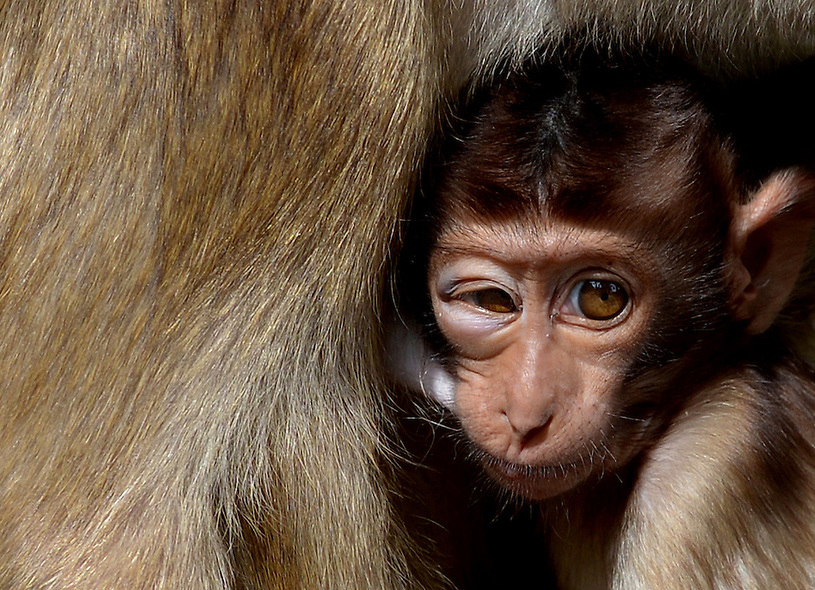
The Unimas scientist suggested too that the increase of this particular strain is due to widespread deforestation, which deprives the macaques that have been the primary hosts of the parasite of their habitat, putting the primates into closer contact with humans.
Malaysia has lost some 47,000 square kilometers of forest or 14 per cent of its total green canopy between 2000 and 2012 as more land is cleared for palm oil farming, according to a study last year published in Science, a highly-respected scientific academic journal of the American Association for the Advancement of Science.
Dr Balbir believes the people who contracted P. knowlesi were bitten by mosquitoes that first bit the infected monkeys as humans do not yet transmit the parasite themselves.
However, he fears P. knowlesi may be evolving genetically to enable it to skip the monkey medium and to spread directly from one human to another.
Asian Scientist reported the parasite was recently found in a variety of mosquitoes endemic to Vietnam that already transmits two other malaria parasite species, P. falciparum and P. vivax malaria.
According to the Singapore journal, P. knowlesi is the fifth species of malaria known to infect humans and more deadly than the previous strain afflicting humans, P. falciparum that were behind fatal cases, while three others, P. vivax, P. ovale, and P. malariae generally result in a mild form of the illness in humans.
Citing Dr Balbir, the journal reported P. knowlesi to be the fastest replicating malaria parasite in humans, multiplying every 24 hours in the blood.
The mosquitoes that bear P. knowlesi parasite also prey on humans when they are outdoors in the day time, posing a new challenge to malaria control efforts that have focused on prevention methods by using repellant spraying and netting around beds at night.
The journal reported that malaria is responsible for sending some 2,000 people to hospitals here a year, but also said the health threat posed by P. knowlesi is not quite as dire compared Malaysia’s dengue outbreak just yet.
“But the P. knowlesi strain of malaria should stay within Southeast Asia as there are no mosquitoes outside the region capable of carrying these parasites,” Dr Balbir was quoted saying.


