




SINGAPORE, Oct 9 — While thousands of skilled Asian workers emigrate each year in search of better pay or opportunities, Kwee Keong Lim decided to come home to Malaysia. Partly, it was the roti prata.
After more than 20 years abroad, Lim was lured back to Kuala Lumpur by the chance to run the Asia-Pacific region for Technip SA, a French oilfield-services provider. As a bonus, he’s reunited with his favorite foods, like the fried flat-bread that locals eat with curry.
“Asia is a growth region, and Malaysia is investing in industries like oil and gas, so this was a natural move,” said Lim, 53, who returned in 2012. “I have a good job, the quality of life is good, and I can easily find roti prata anywhere. It’s a big attraction.”
Governments from the Philippines to Indonesia are trying to bring back their experienced expats in an effort to counter a brain drain that deprives the region of talent needed to build more advanced economies. India, Malaysia and Singapore are among those bolstering efforts to lure overseas staff in industries from technology to health care.
“Asian governments are trying harder now because they know they can’t address the talent gap unless they bring back some of their own,” said Leong Chan-Hoong, a senior research fellow at the Institute of Policy Studies in Singapore. “Conditions here have also improved, which makes it easier.”
Returning experts
Singapore, which tightened immigration rules amid public discontent, set up the Overseas Singaporean Unit in 2006 and has added a program for returning scientists. The Philippines, where overseas remittances account for a 10th of the economy, plans to create more opportunities to tempt its citizens living abroad, while Malaysia is boosting its Returning Experts Program, introduced in 2001.
Malaysia’s loss of talent harms its aspiration to become a high-income nation by 2020, the World Bank said in a 2011 report. The brain drain saps a narrow skills base, with the diaspora of qualified workers three times as great as two decades ago, it said.
“Talent mobility is a reality, particularly for middle-income countries, because there’s always an economic incentive to migrate,” said Johan Merican, chief executive officer of TalentCorp, Malaysia’s state agency that has managed the REP since 2011. “You can say, it’s going to happen anyway and not do anything about it, but that’s a lost opportunity. We see returnees as an additional pool to tap.”
More than 3,500 online applications by overseas Malaysians looking to return have been approved since 2001. Incentives include a flat tax rate for five years and an exemption from taxes on personal belongings.
Six months
For Lim, the process took about six months. He heard about the program from other Malaysians abroad and set up an account online. TalentCorp then approached him with positions including at Technip, which was looking for an Asian with multinational, multi-country experience.
Lim, who’s worked in Australia, Europe and Singapore, joins returnees to Malaysia including Iain Lo, managing director of Sarawak Shell Bhd; Antony Lee, chief executive of AIG Malaysia Insurance Bhd; and Kenneth Pereira, managing director at Hibiscus Petroleum Bhd, according to Merican.
The Indonesian government has lured back former Trade Minister Gita Wirjawan, who has a Master’s degree from Harvard University in Cambridge, Massachusetts, and Tourism Minister Mari Pangestu, who has a Ph.D from the University of California, Davis.
Cultural ties
While workers leaving these countries range in expertise, it is the highly skilled expats who are most often pursued by companies that want people with local connections and cultural ties, and governments seeking officials with global experience. It helps that Kuala Lumpur, Jakarta and Singapore have become more advanced and cosmopolitan, with higher incomes, modern apartments, international schools and retail chains.
“Fifteen years ago, I would’ve worried about returning to Singapore because the universities didn’t have such a great reputation for research then,” said Teo Yik Ying, 36, who came back after 11 years of studying and doing genomics research at the University of Oxford in England. “They’ve made a lot of progress since, and I had no concerns about moving back.”
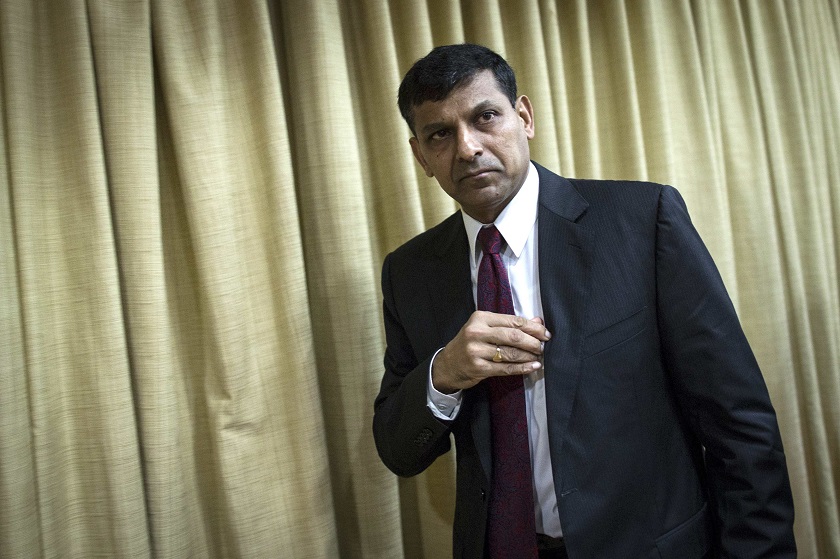
Southeast Asian countries are following other nations in trying to bring back citizens: Taiwan, South Korea and India have all tapped their expats in U.S. academia and industry, especially technology. Raghuram Rajan taught at the University of Chicago before returning to run India’s central bank.
Talent war
A global survey released earlier this year by London-based recruitment firm Hydrogen Group of almost 2,500 professionals found 62 per cent had some overseas experience; of these, 27 per cent called themselves “return homers.”
“There’s a war for talent everywhere, and companies are wise to bring back skilled local talent,” said Simon Walker, Hydrogen’s chief operating officer for Asia Pacific in Singapore. “Countries are also increasingly recognizing the value of this solution to talent shortages and to stem an over-reliance on expatriates.”
Even so, the flow of workers moving abroad won’t taper off, said Guntur Sugiyarto, senior economist at Asian Development Bank in Manila.
“Migration and remittances are both very important in Southeast Asia -- and it’s not just about money, but also social and capital remittances,” he said. “We’re going to see both trends accelerate in coming years -- people leaving, and countries trying to bring them back.”
Better prospects
There were 207,000 Singaporeans abroad in June 2013, compared with 181,900 in 2008, government data showed. The number of overseas Filipinos rose to 10.5 million in 2012 from 8.2 million in 2008.
“I chose to leave for better prospects, and I’d need a pretty compelling reason to move back,” said Vanessa Yeo, a 31-year-old Singaporean brand manager who has lived in Hong Kong for five years. “I am choosing the expat life for as long as I can.”
Teo, who is an associate professor at the National University of Singapore’s school of public health, said governments also must be careful to target people for the right reasons.
“We shouldn’t be getting them back because they’re Singaporean,” said Teo. “We should bring them back because they’re very good.” — Bloomberg


