


PENDANG, March 6 — Demand for bamboo leaf ketupat, a traditional delicacy closely associated with the Siamese and Chinese communities in Kedah, has surged throughout Ramadan, with orders reaching about 16,000 pieces or around 1,000 kilogrammes (kg).
Entrepreneur Sarah Hussain, 43, from Kampung Bukit Murai near here, said she began producing the traditional dish in 2017 after inheriting the recipe and the method of preparing it from her mother and sister.
She said her mother initially prepared bamboo leaf ketupat only for family meals during festive seasons before she started promoting it on social media and receiving orders from the public.
“At first, I didn’t know how to make the ketupat, but I gradually learned from my mother and sister until I became proficient. After I shared photos on social media, many people started asking about it and placing orders,” she told Bernama today.
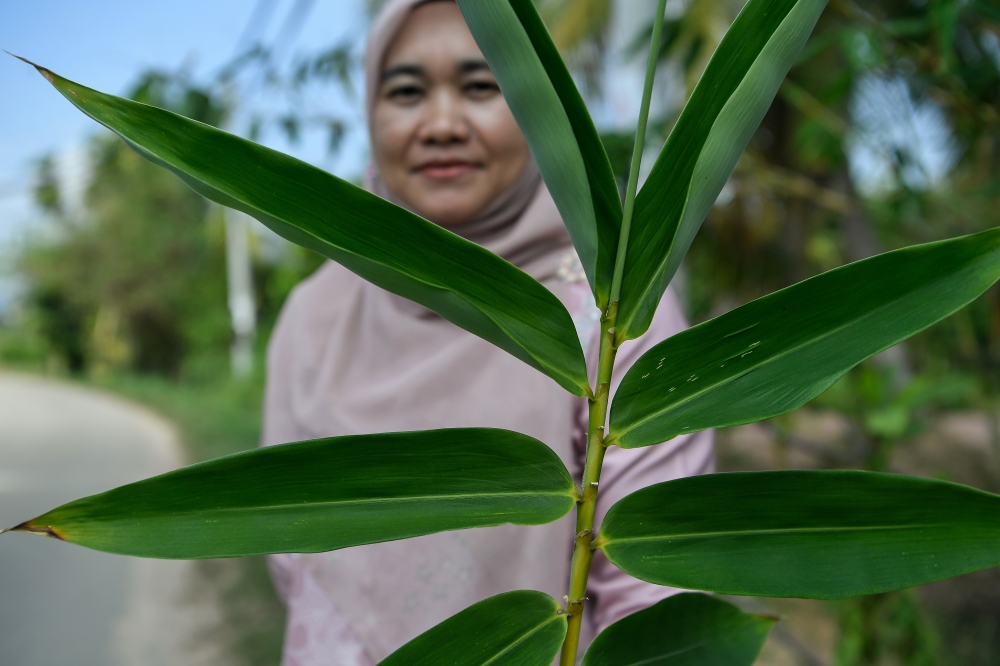
Sarah explained that the bamboo leaf ketupat, traditionally associated with the Siamese and Chinese communities, has been adapted into a halal version to suit the tastes of the Malay community.
Although the ingredients are simple, namely bamboo leaves, glutinous rice and ash water, the preparation process requires precision and takes considerable time.
“The bamboo leaves must first be sourced, and I usually buy them from villagers. After they are cleaned and steamed, the glutinous rice is washed, mixed with ash water and then wrapped using the bamboo leaves,” she said.
The wrapped ketupat are then boiled for seven to eight hours before being steamed and frozen to preserve their quality.
Sarah said the freezing method allows the bamboo leaf ketupat to last between six and 12 months, enabling her to prepare stock in advance to meet the high demand ahead of festive seasons.
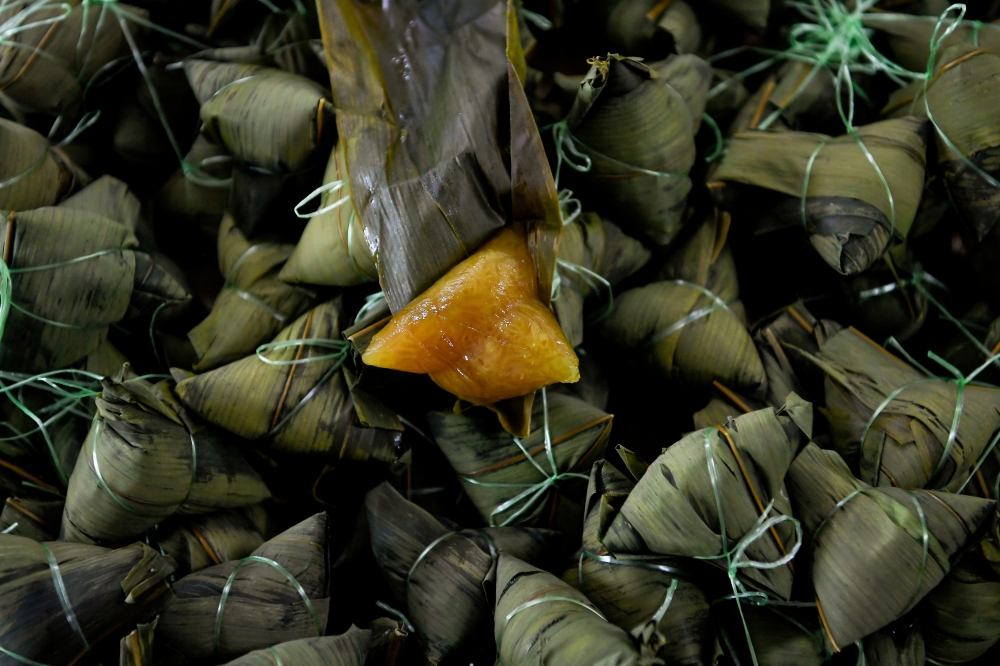
She added that bamboo leaf ketupat, also known as “elephant ketupat”, has a distinctive fragrant aroma and chewy texture. Unlike ketupat palas or ketupat nasi, it does not use coconut milk.
“It can be enjoyed with various types of serunding, or eaten with condensed milk, gula Melaka or even chocolate,” she said.
The ketupat is sold at RM28 per kilogramme, and Sarah also accepts orders from outside Kedah via express courier, with the order deadline set a week before Aidilfitri. — Bernama


