


BEAWAR (India), Dec 6 — Santosh Devi is proud to have brought light — and hope — to her tiny hamlet in western India after taking up solar engineering through a programme designed for women whose husbands have been incapacitated by silicosis from mining work.
Her husband, a former sandstone cutter, is now bedridden with the respiratory disease, which is caused by inhaling fine silica dust and is widespread across some 33,000 mines in Rajasthan state. With four children to support, Santosh, 36, joined seven other women for a three-month training course at Barefoot College in Tilonia, about two hours from her village in Beawar district.
There, the women learned how to install solar panels, wire systems, and assemble and repair small devices such as lamps — skills they now use to light homes and power chargers and fans. With their husbands unable to work, the programme has provided them with a vital source of income.
Barefoot College has trained more than 3,000 women from 96 countries since its founding in 1972, said Kamlesh Bisht, the institution’s technical manager. The initiative aims to equip rural women with practical skills and a path to independence in regions where jobs and healthcare are scarce.
Santosh, who is illiterate, said she wants to “offer a good education and a better future” to her children, aged five to 20. She now earns a modest income installing solar panels and hopes to eventually make the equivalent of US$170 (about RM700) a month.
The time away from her family was difficult, but Santosh said the experience was transformative. “At first, I was very scared,” she said. “But this training gave me confidence and courage.” She proudly pointed to the three nearby homes where she has installed photovoltaic panels.
Her husband, however, can barely walk and relies on expensive medication and a small state allowance of US$16 a month. Santosh has had to borrow from relatives, sell her jewellery and even mortgage her mangalsutra — the traditional Hindu wedding necklace — to survive.
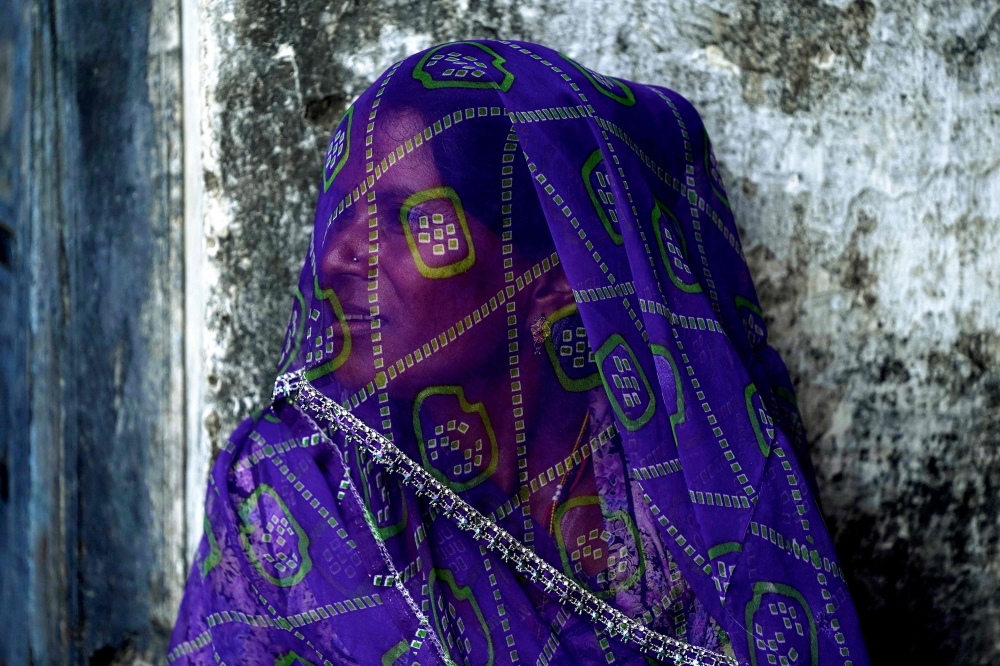
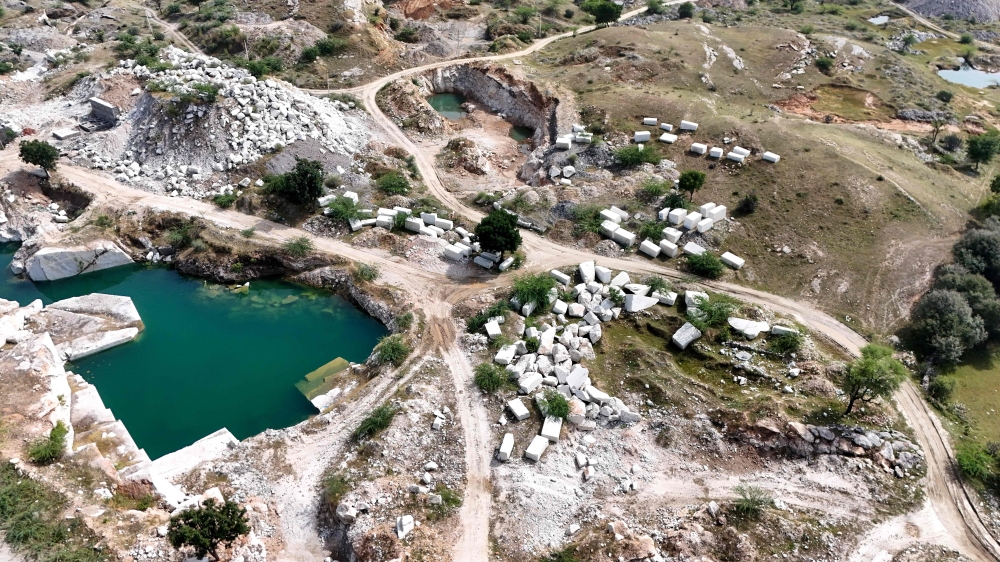
Their struggles are common in Rajasthan’s mining belt, where tens of thousands of people suffer from silicosis. In just one district, Ajmer, there are between 5,000 and 6,000 patients, according to pulmonologist Lokesh Kumar Gupta. In Santosh’s village of 400 households, 70 people have been diagnosed with the incurable, slow-acting disease.
Across Rajasthan, about 2.5 million people work in mines extracting sandstone, marble and granite for less than US$6 a day. Those using jackhammers earn more but face even greater dust exposure.
Vinod Ram, whose wife also graduated from the Barefoot College programme, has struggled with silicosis for six years. “The medication only calms my cough for a few minutes,” said the 34-year-old, who now weighs just 45kg. He began mining at 15 and worked for years without a mask or any protective equipment.
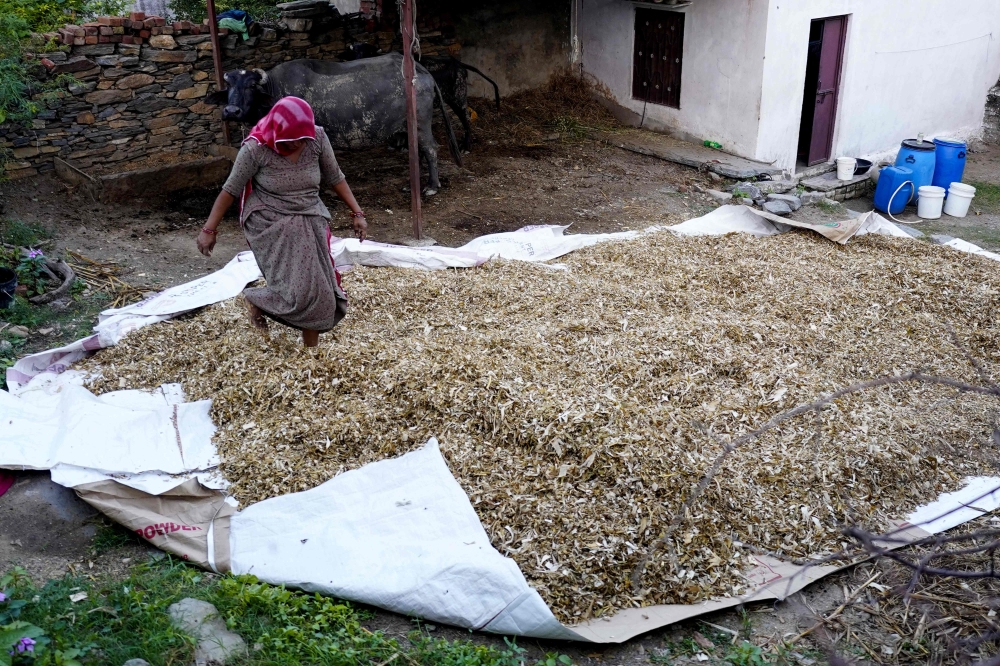
His wife, Champa Devi, 30, could not even write her name when she arrived at Barefoot College in June. Now back home in a nearby village, she has installed solar panels in four houses — but has yet to be paid. She currently earns about 300 rupees (RM13.69) a day at construction sites, far short of the US$80 needed for her husband’s monthly medication.
The couple live in a single dark room, blankets spread across the floor, with the sound of mine detonations rumbling nearby.
“There is no treatment for silicosis,” Gupta said, adding that early care can help but most patients seek medical attention only after five to seven years. Under state aid schemes, patients receive US$2,310 upon diagnosis and families get US$3,465 in the event of death.
Many miners who are still physically able continue working despite their illness. Among them is Sohan Lal, 55, who suffers from severe cough and shortness of breath but feels he has no alternative. “If I were diagnosed, what difference would it make?” he asked. — AFP


