


MALAY MAIL, Oct 27 — Farmers at Yangcheng Lake in eastern China are battling rising temperatures and extreme weather that have disrupted the breeding cycles of the country’s prized “hairy crabs”, according to Reuters.
For breeder Xie Dandan, 34, the past three years have been the hardest in over a decade of cultivating the delicacy, known for its sweet flesh and golden roe. “From 2022, it feels like the weather has been getting worse every year,” she said, adding that farmers have learned to “mentally prepare for these losses”.
Unusually long and hot summers in Jiangsu province have slowed crab growth, reduced oxygen levels in the water, and encouraged bacterial growth — all of which threaten the crabs’ survival, said Kenneth Leung, a marine environment expert at the City University of Hong Kong.
Last year’s strongest typhoon since 1949 destroyed nets and oxygenation systems, compounding losses for farmers already struggling to manage water temperatures that now exceed 30 degrees Celsius well into October. Some have resorted to dumping ice into ponds to keep crabs alive.
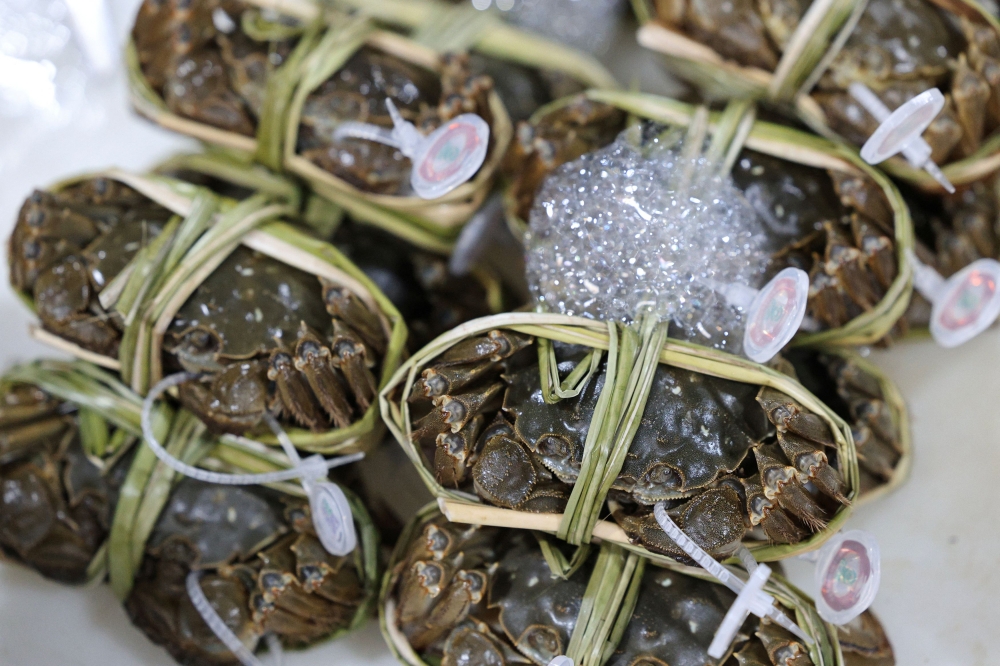
The high-value Chinese mitten crabs can fetch hundreds of dollars in export markets such as Singapore and Japan, but sustained heat has delayed molting — a key growth stage — and increased mortality during the process.
In September, China recorded its hottest summer since 1961, with temperatures above 40 degrees Celsius for consecutive days in parts of the east, while northern regions experienced record-long rains linked to climate change.
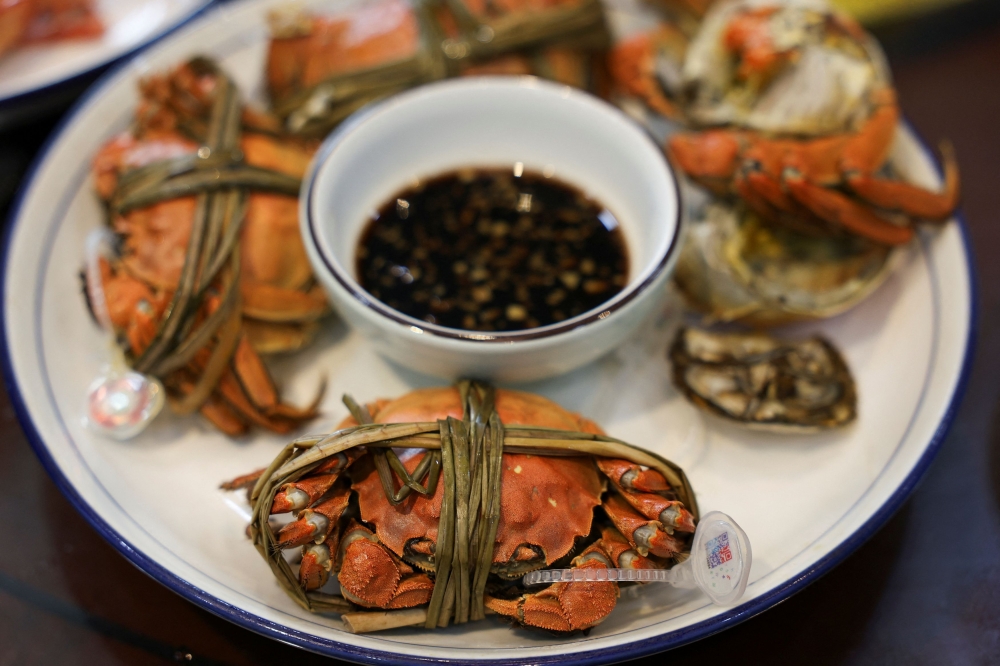
Leung said selective breeding of crabs more tolerant to heat could help sustain the industry. Authorities expect Yangcheng Lake to produce about 10,350 metric tonnes of crabs this year, similar to pre-typhoon levels.
Still, Xie said farmers recognise the limits of their control. “We can only see whether the hairy crabs will adapt,” she said. “If they can’t, maybe this industry will just be eliminated.” — Reuters


