


PARIS, Sept 17 — Following the huge success of the 2012 World Championships the Climbing and Paraclimbing World Championships, the biggest indoor climbing event in the world, is currently taking place in Paris this week until tomorrow.
Organised by the FFME (Fédération française de la montagne et de l'escalade, the governing body for French climbing), the event also comes just weeks after the announcement that sport climbing is set to be added to the program of the Tokyo 2020 Olympics.
To find out more about the latest trends in this increasingly popular sport, and what impact the new Olympic status might have on climbing, Relaxnews spoke to ex-national coach of France and general manager of the FFME, Pierre Henri Paillasson.
There are 1,000,000 occasional or regular climbers in France and the FFME has seen members increase by 49 per cent in the last ten years. Do you think climbing is becoming more popular, and why?
Twenty years ago we had around 35,000 members, now it's 93,000, and I think that will grow to 100,000 in the next three years. So yes climbing is becoming more popular, and here in France it is considered a “normal” sport. In fact, it's the number 9 sport in France.
I think this is partly because climbing is a well developed sport in schools in France, and in every physical education course you can practice climbing. Also the growing number of artificial walls is making it easier to climb in your spare time. When it was only an outdoor sport you had to travel further and take more time to do it.
Now there are many clubs and gyms with climbing walls in city centers so you can go more often and before or after work. Also I think climbing is popular as it is a natural human movement — I think people need to climb.
Who is climbing most popular with — men, women, teenagers, or older people?
Actually climbing is very balanced, around the same number of women climb as men, and around the same number of young and old.
Are there any new trends or styles in climbing? New types of climbing walls or new classes for example?
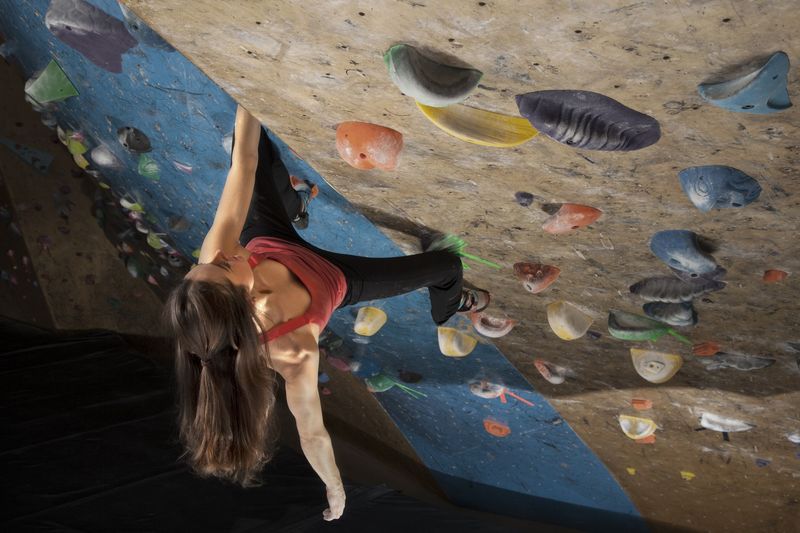
Last year, in Paris for example, many new bouldering gyms opened with smaller bouldering walls. This is an interesting new trend as you don't need a big room, it only needs to be five metres high, making it easier to find places to climb in big cities.
In lead climbing, where you usually need another person to belay the rope while you climb, there is now a new device which automatically belays for you. Auto belays mean you can now climb on the higher 10 to 15 metre walls without needing another person.
Now that sport climbing has been included in the Tokyo 2020 Olympics, do you think we will see even more people start climbing?
Yes for sure. We've known since August 2016 that sport climbing would be part of the 2020 Olympics, but we have actually been working on this for around 10 years, so a lot of countries have known for a while that climbing had a chance of being in the Olympics.
This means many countries have been developing climbing, and putting more money into it. In fact even in the last two months we have already seen an increase in new members wanting to climb. — AFP-Relaxnews


