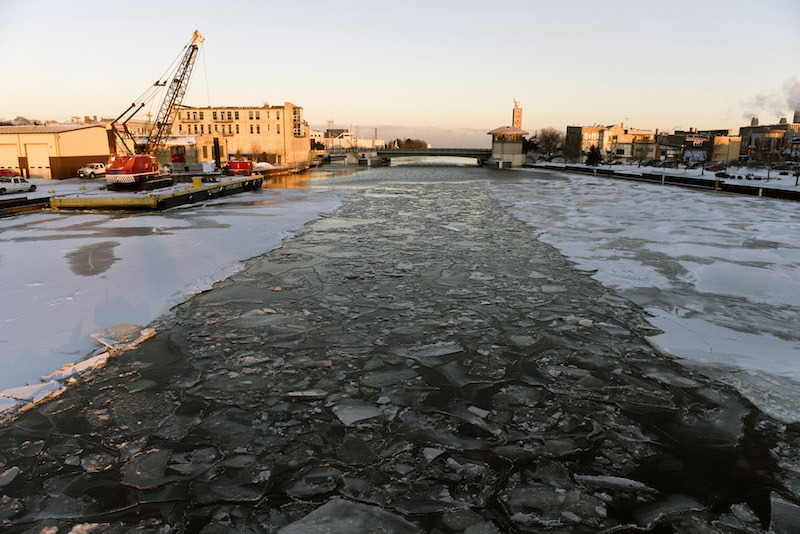
MANITOWOC (Wisconsin), Jan 29 — In the tourism office here, where workers are accustomed to cheery inquiries about Manitowoc County’s best jogging paths and beach views, the questions have suddenly turned dark: How could you possibly promote tourism in such a corrupt town? Why would anyone visit here?
Fury — by telephone, email and on social media — has also flooded the Manitowoc County Sheriff’s Department, the Manitowoc City Police Department, Manitowoc City Hall and pretty much anywhere else with the name Manitowoc attached to it.
Even the Manitowoc County Historical Society’s executive director, Amy Meyer, has taken to answering the phones so that volunteers — better prepared for gentler inquiries about the region’s history of shipbuilding and its claims to creating the ice cream sundae — do not have to hear “all that yelling, cussing and swearing.” A recent post on the historical society’s Facebook page read, “Too bad your history includes ruining two innocent peoples’ lives.”
The release last month of a Netflix documentary series, Making a Murderer, about a decade-old murder case, has upended this county of about 80,000 along Lake Michigan.
Ten years ago, when I first came here, Steven Avery, the county resident now at the centre of 10 Netflix episodes over more than 10 hours, had been arrested on suspicion of murder a few days before.
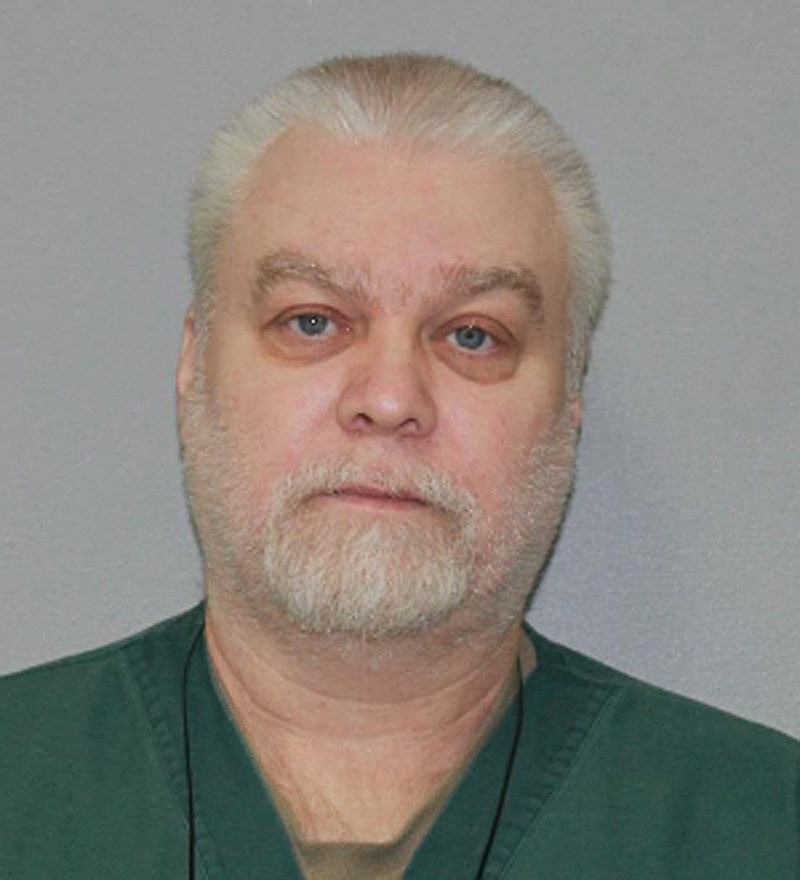
Avery’s past was what drew me to Manitowoc in November 2005: For months, he had been held up in Wisconsin as a symbol of everything wrong with the justice system, having served 18 years in prison for a sexual assault that DNA evidence later linked to a different man.
After Avery was released in the sexual assault, and as he was pursuing a US$36 million (RM150 million) lawsuit against the county officials who had wrongly sent him to prison, he was charged in the murder of Teresa Halbach, a 25-year-old photographer who had come to take pictures at his family’s auto salvage yard for Auto Trader magazine.
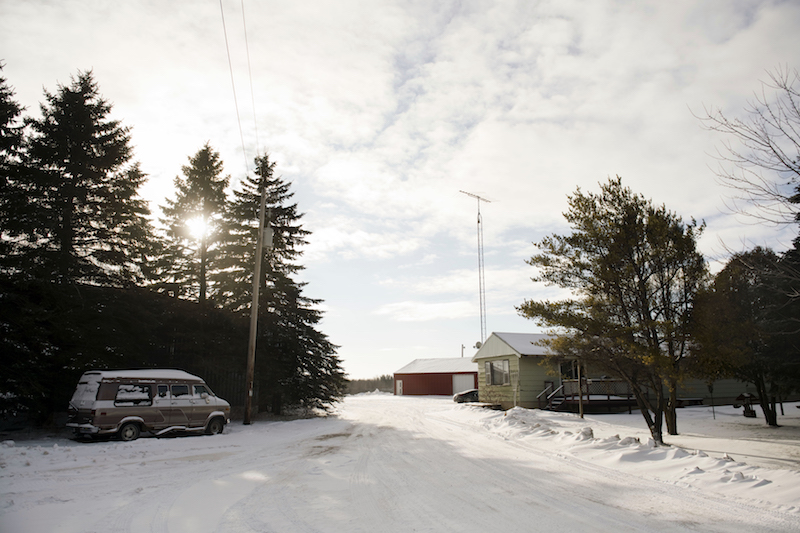
Back then, as I drove to the county seat and along the stark, rural stretches closer to the salvage yard, I found a close-knit community in mourning over a young woman’s death and an array of Avery supporters stunned by the turn of events.
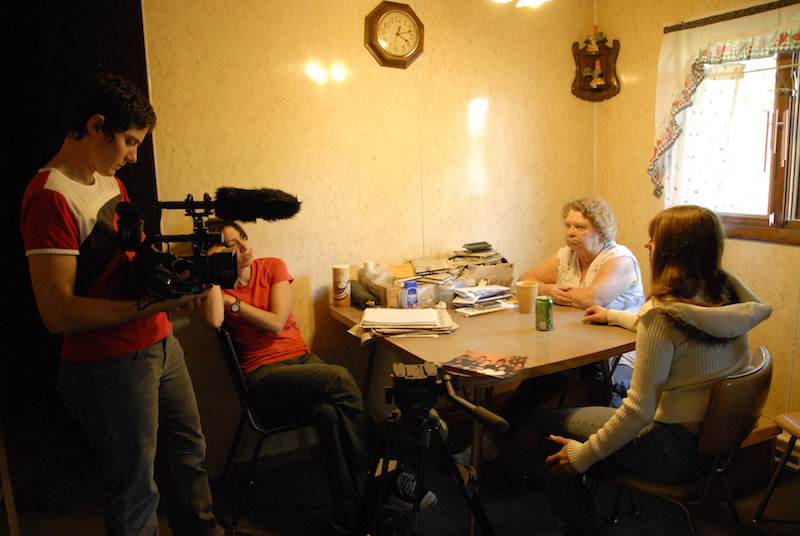
A pair of graduate student filmmakers in New York read the article I wrote and devoted the next decade to what became the Netflix series. In the end, Avery and his nephew Brendan Dassey, 16 at the time of Halbach’s death, were convicted in the killing — an outcome that some who watched the series were convinced was one more example of the justice system’s failure.
Here, many of the people who had watched the case play out in real time with intensive local news media coverage largely considered it settled. But with a far broader audience now ravenously consuming the filmmakers’ take and raising pointed questions about whether those convicted were guilty, and whether the local authorities planted evidence and mishandled the investigation, a barrage of social media posts and calls is forcing Manitowoc to look back.
“We lived through this 10 years ago,” Jason Ring, the president of the Manitowoc Area Visitor and Convention Bureau, said from a counter covered in maps and brochures.
“We made our judgment, and the trial came to an end, and locally most people were in support of that,” Ring said. “Now it’s back — by no choosing or no doing of anyone in this community.”
“So that’s the first point of injustice,” he added. “That we have to live through it again.”
In downtown Manitowoc, the county seat, the talkative, curious people I had come upon a decade earlier were no longer surprised — or the least bit pleased — to see yet another reporter. Many avoided any talk about Making a Murderer, or simply spotted my notebook and walked away. The mayor declined to be interviewed. Business owners refused to discuss it: One said she had read online about a call for a protest in the town, and she was worried about safety.
“Look, we lived this whole thing like a juror,” Suszanne Fox, who lives not far from here, told me as she ate a burger at the Fat Seagull. “He was guilty as sin.”
Many viewers of Making a Murderer do not agree. Hundreds of thousands of people signed petitions asking President Barack Obama to pardon Avery and Dassey, to which the White House has responded that the president cannot issue pardons in state cases.
Governor Scott Walker has long pledged to issue no pardons while in office, and he made it clear that he sees no reason for exceptions in this case.
The series left viewers with unrelenting questions: Did Avery’s civil lawsuit for his wrongful sexual assault conviction motivate the Manitowoc County authorities to plant evidence against him in the second case, for murder? How was it that an old sample of Avery’s blood, which was found in the victim’s car, appeared to be tampered with while in the care of the authorities? Should Dassey, at his young age and with a limited intellect, have been questioned alone by investigators? Was his appointed lawyer working against his cause?
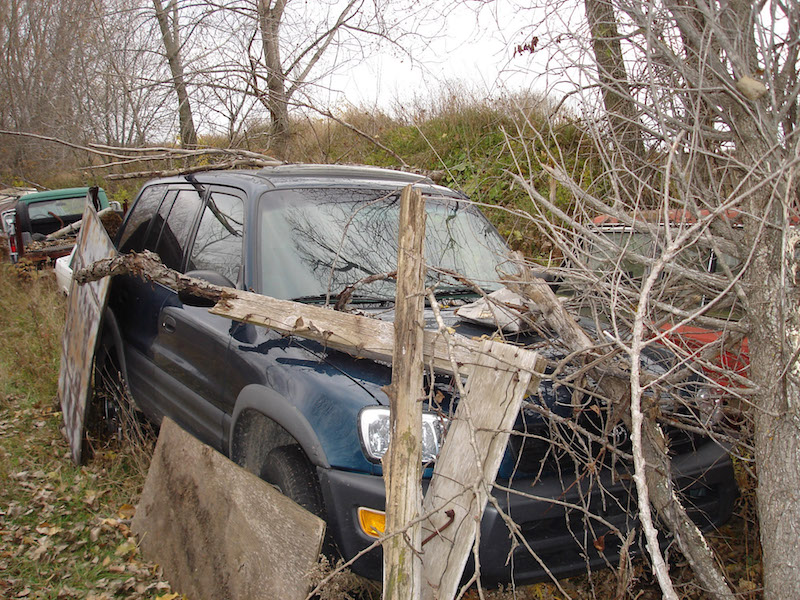
But Ken Kratz, who prosecuted the cases against Avery and Dassey, said the series was one-sided and omitted significant pieces of evidence, including DNA from Avery on the latch under the hood of Halbach’s Toyota RAV4, found in the Averys’ auto salvage yard.
“It’s not a documentary at all; it’s an advocacy piece,” Kratz said in a telephone interview from New York, where he said he was being put up at the Waldorf Astoria while taking part in television newsmagazine interviews in the wake of the Netflix series.
The filmmakers, Laura Ricciardi and Moira Demos, say they believe their series accurately portrayed the essential arguments the prosecutors made. The point, they said in a telephone interview, was to look at the Manitowoc cases as a window into the US justice system.
“We have empathy for Manitowoc because we know that people have been reaching out in unkind ways and posting things about the city and the county,” Ricciardi said. “That’s an unfortunate response, because we have always wanted the series to be constructive, not destructive.”
Avery, now 53, and Dassey, now 26, have not seen the series, their lawyers said. Prisoners do not get Netflix. But as Dassey awaits a federal court decision on claims that his confession was coerced and that he had a right to a lawyer who would mount a defense, Netflix viewers have barraged him with letters of support, said his lawyer, Laura Nirider of the Centre on Wrongful Convictions of Youth at Northwestern University.
“He is incredibly hopeful for the first time that when people hear the name Brendan Dassey, they don’t think of a murderer, they think of someone who has been wronged,” she said.
And a new lawyer, Kathleen T. Zellner, well known for taking on wrongful conviction cases, has since signed on to handle Avery’s next legal step. — The New York Times