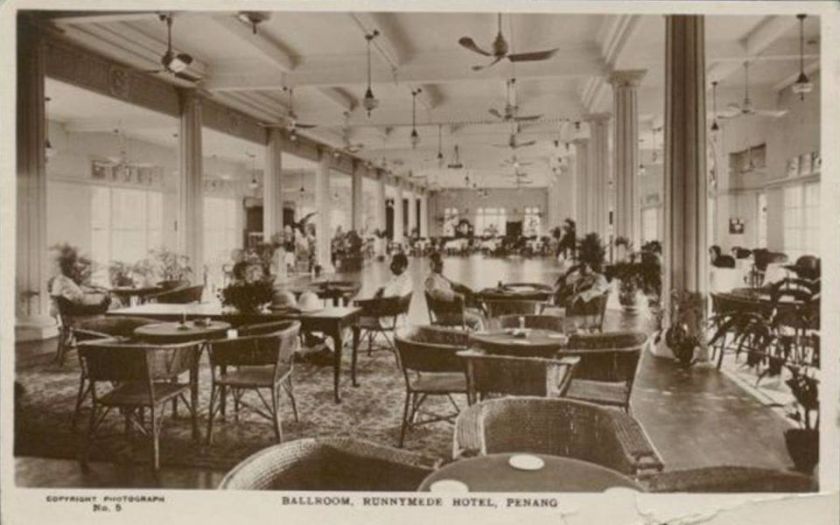
GEORGE TOWN, July 29 ― Hushed voices against a background of soft classical music, the clinking of cutlery on plates and clinking of wine glasses… you can imagine hearing all that when you walk into the once grand ballroom of the main Runnymede Hotel building along Northam Road (now Jalan Sultan Ahmad Shah).
Its wide expanse of a shining wooden floor with the spectacular view of the sea before it and fans to cool the high-ceilinged room used to be THE place for dances and dinners in the area back in the 1930s.
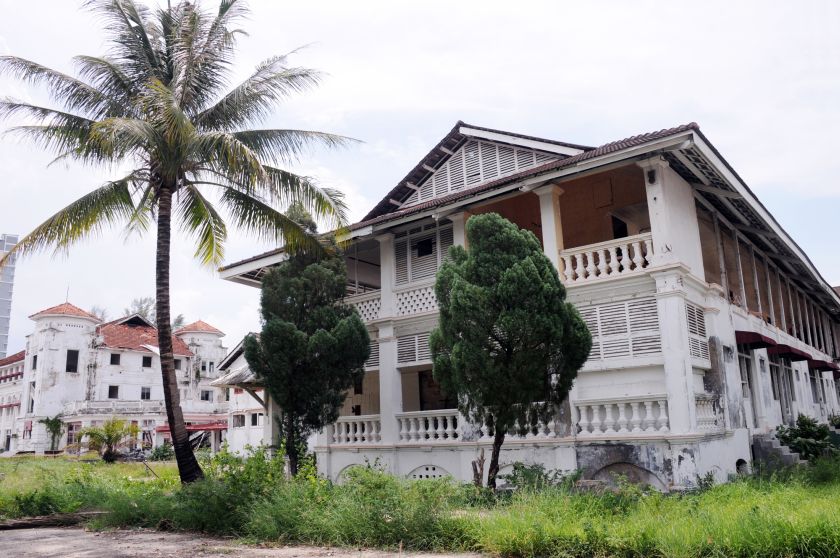
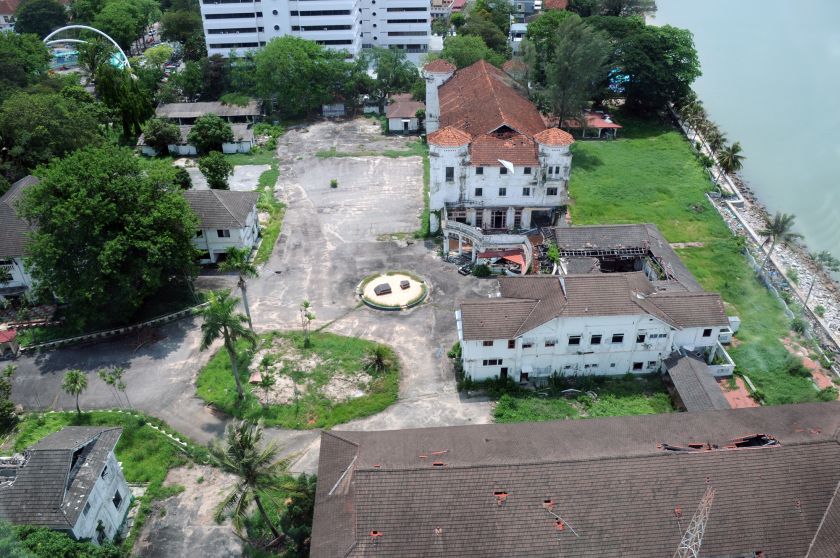
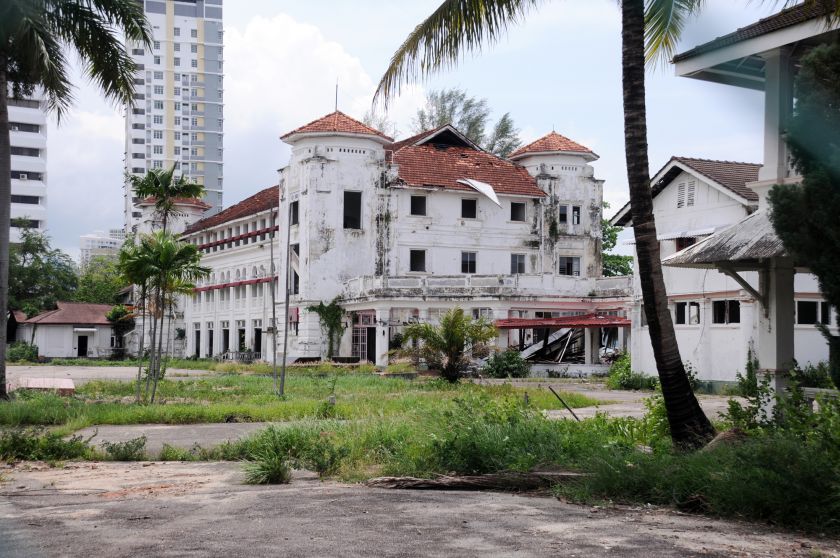
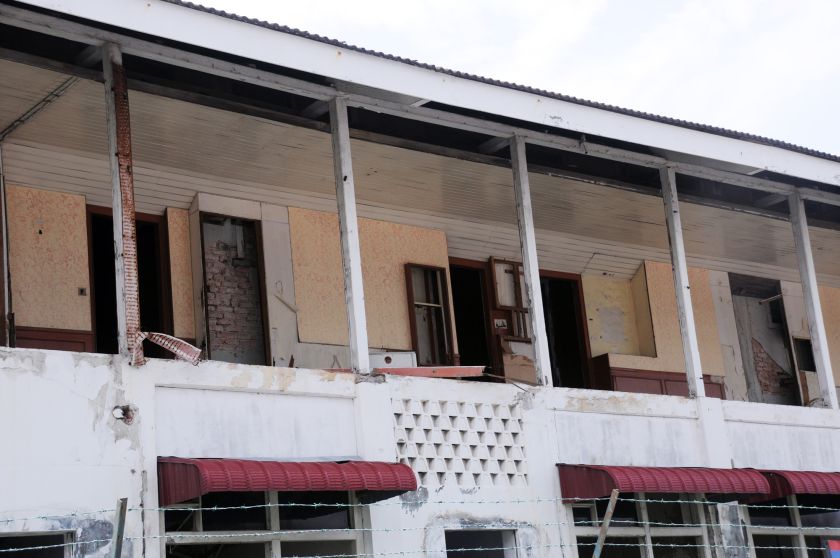
Now, almost a century after it was built, the building has been left vacant, forlorn and almost forgotten as its structure deteriorates from neglect; creepers are growing everywhere and the once-gleaming wooden floors are now dull, covered in layers of dust, debris and rotted in parts.
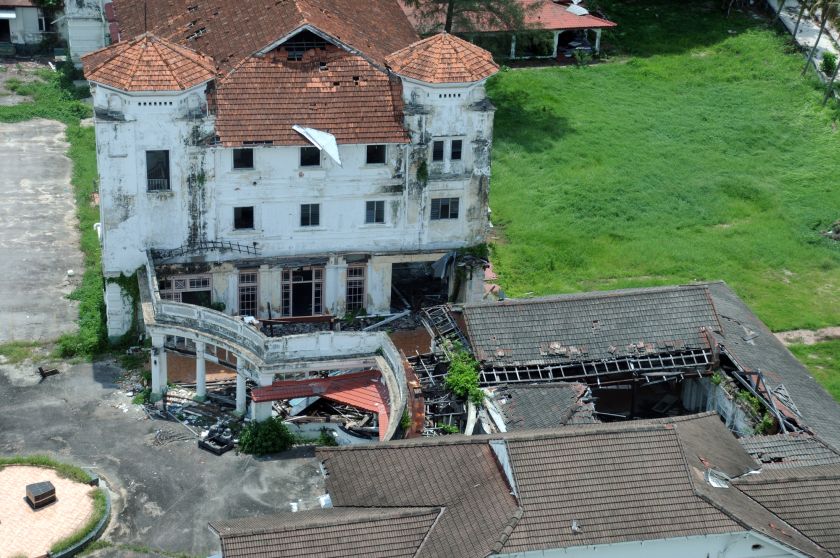
Parts of the tiled roof of the main three-story building with its sweeping staircases, louvred window shutters and detailed colonial architecture have collapsed and many parts of the walls, windows and roof are in various stages of decay.
This is a far cry from its heyday as this was where Thomas Stamford Raffles built his home, called Runnymede, along the North Beach, back in 1808.
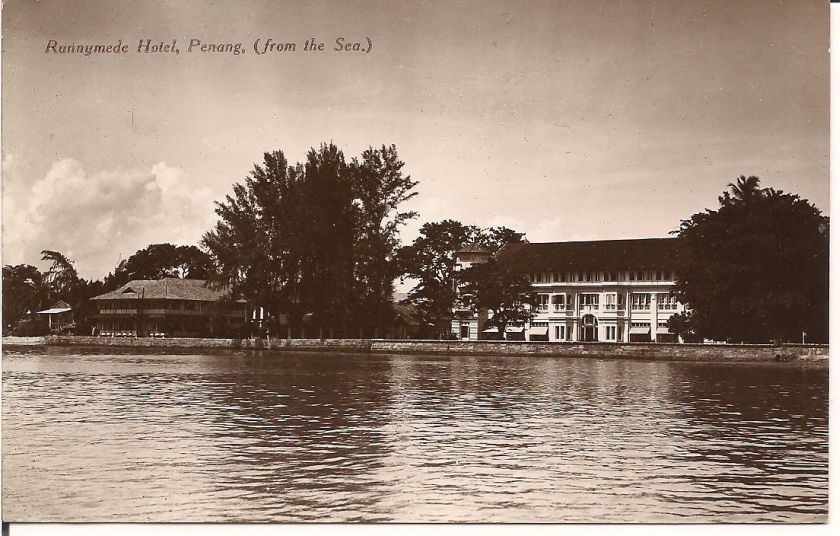
Runnymede was one in a row of elegant villas along that stretch of road, known as Northam Road, facing the sea at that time.
It was named after the English field on which King John of England signed the Magna Carta then and the original building was a single-storey building with louvred wooden window shutters, carved balconies, deep cool eaves and large open living spaces inside.
Raffles, his wife and his two younger sisters lived there until 1811 when Raffles moved to Malacca and the house was put up for sale.
Unfortunately, the original structure burned down in 1901 but the surrounding buildings survived and were renovated. The collection of buildings was then converted into the Runnymede Hotel to compete with the E&O Hotel.
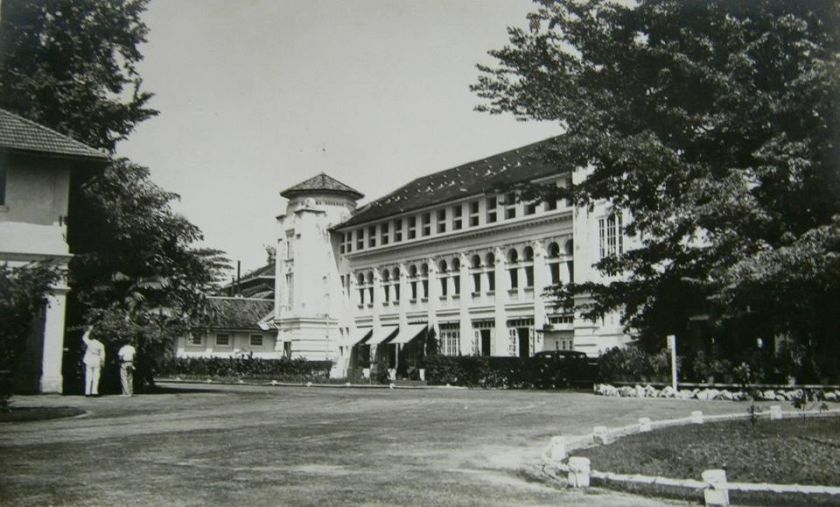
Some time in the 1930s, the three-story main building was constructed adding another building to the collection of four smaller buildings that made up the whole Runnymede Hotel.
It was the ground floor of this grand three-storey building that houses the grand ballroom where balls, cocktails and dinner dances were held regularly.
By 1935, the hotel was flourishing as it had a post office, a telegraph office and offered services that included a hairdresser, a book stall, a reading room, a billiard room, a railway ticketing office and also a fleet of cars with chauffeurs.
It also hosted cocktail dances three times a week and dinner dances twice a week while dinner was served on the lawns during good clear weather.
The Runnymede Hotel management even took over the management of Crag Hotel on Penang Hill.
All this came to a stop when the British Navy took over the hotel in 1940 to house fleeing Europeans and after the war, the British military occupied the buildings and in 1951, the British government acquired it for $1.5 million from the Choong Lye Hock Estate.
In 1957, when Malaysia obtained independence, the British sold Runnymede for a token sum of $1 to the Malaysian government and the collection of buildings became a government rest house and recreation centre called “Wisma Persekutuan.”
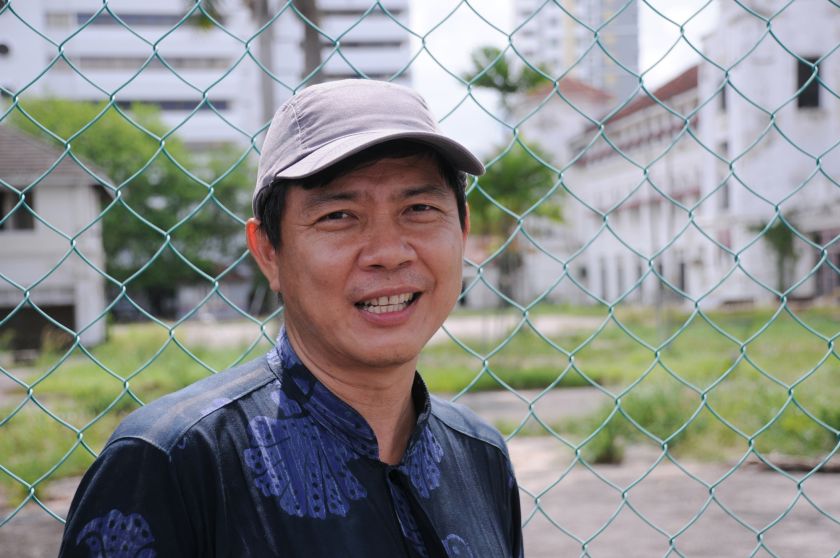
Penang Heritage Trust (PHT) secretary Clement Liang remembered how he used to visit Wisma Persekutuan with his parents when he was very young.
“I remembered the grand impressive ballroom and its spectacular view of the sea and how everyone would dress up to have dinner there,” he said.
The Ministry of Defence took over the buildings in 1986 and it was used as a military base until 2000 when the land fell into the hands of a developer through a land swap deal between the ministry and the developer.
“After the military moved out, they left the buildings vacant and initially they were in charge of its upkeep it but in recent years, they seem to have left it to fall into disrepair,” Liang said.
The last time PHT was allowed to conduct a site visit of the place was several years ago and its condition has deteriorated massively since then.
“Something needs to be done. This building has a rich history and its unique colonial architecture should be preserved,” he said.
Liang pointed out that the building is categorised as a heritage building category two which means the owner is not allowed to demolish it under the local Town and Country Planning Act.
“This is not enough to protect the building because just down the road, the former Metropole Hotel heritage building was illegally demolished in 1993 and all the developer got was a slap on the wrist and a RM50,000 fine,” he said.
He lamented that the state government is yet to gazette or enforce its heritage conservation enactment which may carry more clout and restrictions when it comes to heritage buildings, not only within the UNESCO heritage zone, but also those outside the zone.
It is learnt that the Runnymede land now belongs to Prima Prai and the group had previously planned a mixed development project for the 5.5 acre site called “The Runnymede” that comprises two high-rise blocks but the project is yet to be launched.
Runnymede is located outside the heritage zone so Liang believes that not much importance will be placed on the group of buildings or its fate.
“We are not against development. We will agree to the developer restoring these buildings to its former glory and then turning it into commercially viable ventures such as restaurants and a boutique hotel instead of leaving it vacant,” he said.
He however disagrees with plans to build two high-rise buildings around the existing buildings as this would not only diminish the beauty of these colonial buildings but also the heritage value of it.
Runnymede is listed as one of PHT’s seven most important endangered heritage sites in Penang.
The others are Tanjung Tokong Malay Village, Udini House in Gelugor, Shih Chung School building in Jalan Sultan Ahmad Shah, Chung Thye Phin Villa in Relau, Khaw Loh Hup and Khaw Boo Aun’s townhouse in Bukit Tambun and the Governor’s Bungalow in Sepoy Lines.