



KUALA LUMPUR, Jan 3 — The joys of having a garden goes beyond admiring the beauty of hibiscus blooms or the fenestrated leaves of a thriving monstera plant.
Among the fronds and petals, my herbs occupy their own modest corner. Rosemary, with its resinous perfume. Holy basil, soft and sweet with a hint of spice.
Lately I have noticed my dill flowering – the blossoms delicate, elegant – and it gave me an idea for a dish, for every part of the dill plant can be used in cooking: leaves, seeds and flowers.

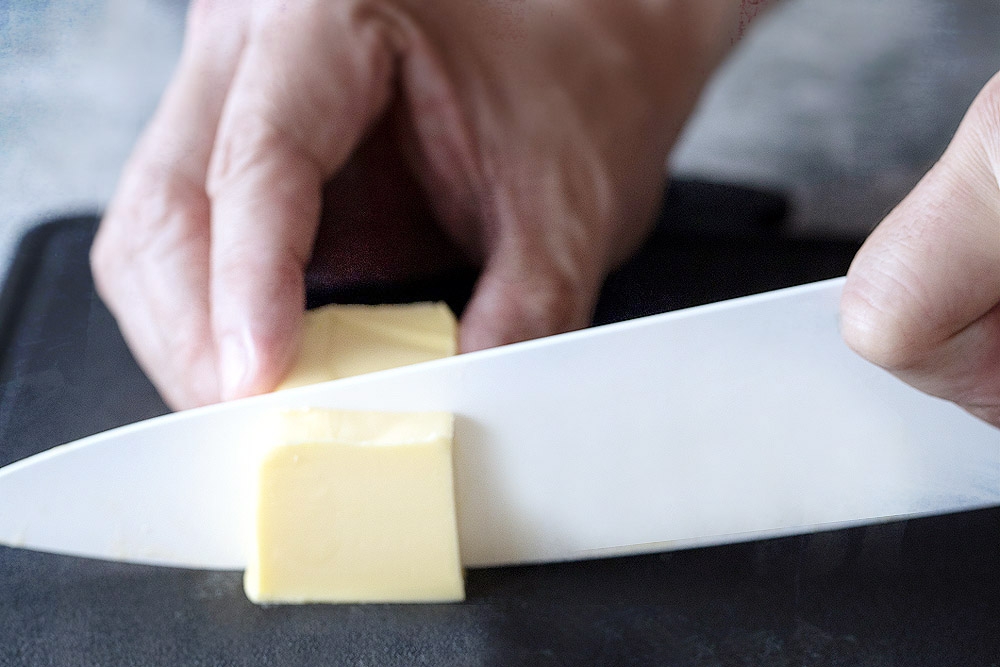
So I wrapped a fillet of fish in a parcel of baking paper. A small ritual: a pat of butter, a squeeze of lemon, a whisper of ginger. Then dill, both fronds and flowers, scattered with pleasure.
When the parcels come out of the oven and I pry them open, a soft steam rises carrying the warmth of butter, the tart surprise of lemon, the gentle heat of ginger and the green whisper of dill.
The fish is delicate and flaky, the butter unctuous, the aromatics subtle yet insistent. It is simple, clean, unhurried — and entirely satisfying.
This is a dish that doesn’t demand showy techniques or complicated preparations. All it asks is a little care and patience — a bit of quiet, really — and the result tastes almost like a memory of sea breeze, warmed herbs, and home.
Baked Fish in a Parcel with Dill
Cooking this fish in a sealed parcel is a small act of patience. The method — akin to the French en papillote — allows the fish to steam gently in its own juices, the butter and aromatics doing their quiet work, encouraging the flavours to meld without ever forcing themselves on the flesh.
It goes without saying that dill goes swimmingly with fish, if you pardon the pun.
Choose a white fish with firm, mild flesh: tilapia, pomfret or cod all cook well baked in a parcel. Their flesh absorbs flavour while remaining delicate enough to flake at the touch of a fork.
Use unsalted butter so you can guide the seasoning yourself. It gives richness without drowning the fish.
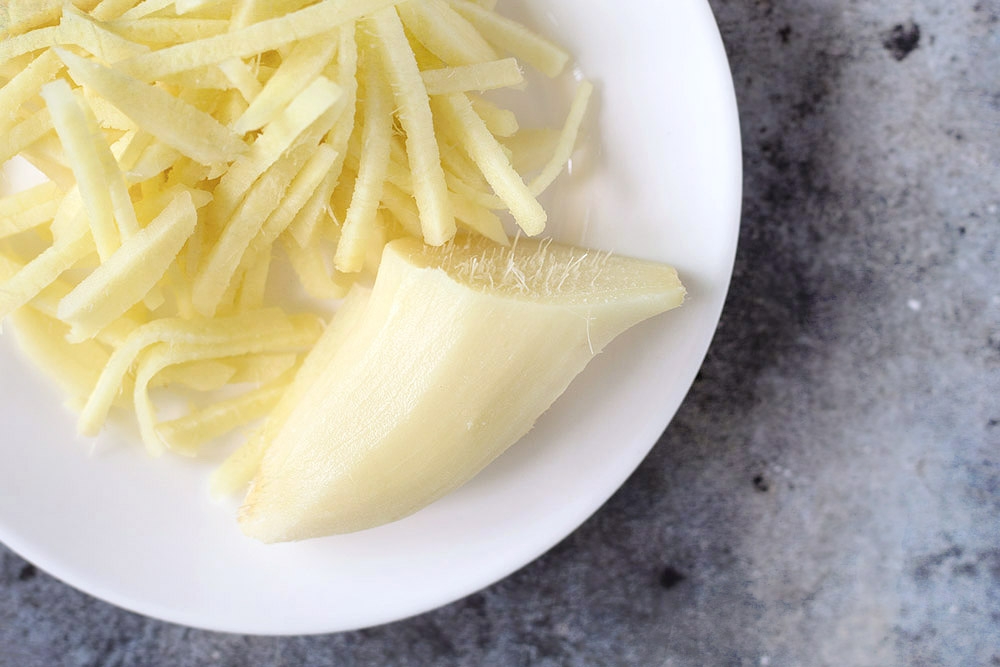
Fresh ginger, always. Peel it, grate it finely — you want the warm, peppery note to weave through.
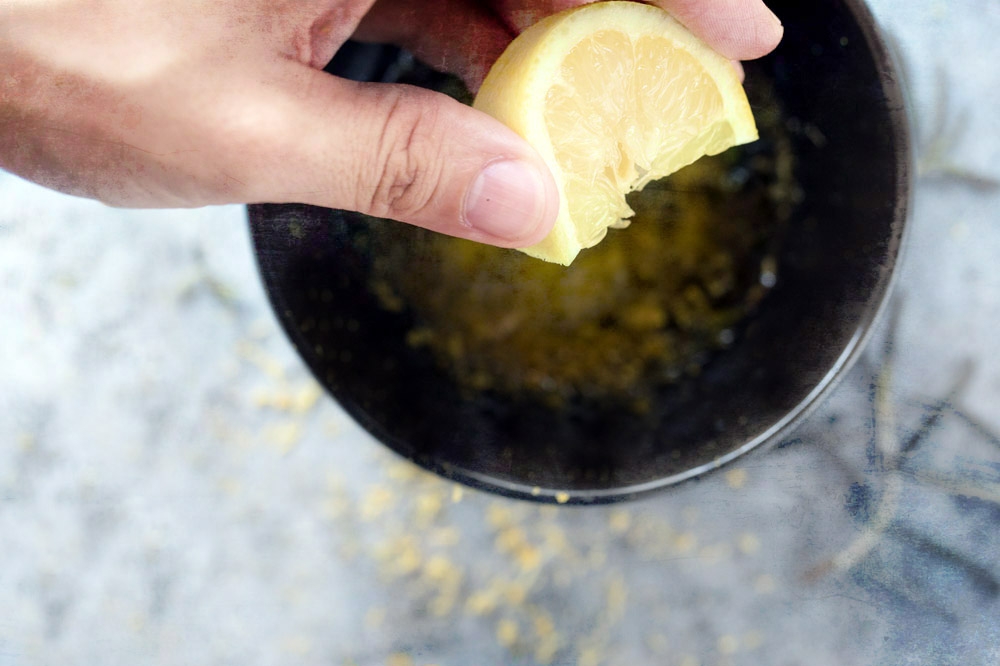
A few thin slices of lemon, a squeeze of its juice, maybe a whisper of zest: that acid cuts through butter’s richness, lifts the fish, gives it lightness.
Ingredients
2 fillets of firm white fish, around 150–200 g each
40 g unsalted butter
A handful of fresh dill, both fronds and flowers
10 g fresh ginger, peeled and finely grated
1 lemon — zest and juice
Sea salt, to taste
Freshly ground black pepper, to taste
1–2 sheets of parchment paper or aluminium foil (large enough to form sealed parcels)
Method
- Begin by preheating the oven to 180°C.
- Cut the parchment or foil into rectangles large enough to fold over each fish fillet comfortably, leaving a little room inside for steam to circulate.
- Lay a fillet in the centre of each sheet. Dot each fillet with pieces of butter, imagining small islands of richness that will melt during cooking.
- Scatter the fresh dill and grated ginger over the top.
- Place a few thin slices of lemon on the fillets, drizzle over some lemon juice, and, if desired, add a little zest for extra brightness.
- Season lightly with sea salt and freshly ground black pepper.
- Fold the parchment or foil over the fish and crimp the edges to form a tight parcel. Place the parcels on a baking tray and slide them into the oven.
- Allow them to bake for 12–15 minutes, depending on the thickness of your fillets. The fish is ready when it is opaque and flakes easily under a fork.
- Carefully open the parcels, being mindful of the hot steam. Serve the fish directly in the parcels or gently transfer the fillets to warmed plates.


