


KUALA LUMPUR, Oct 26 — Of all the regional cuisines to arrive with the current wave of Chinese restaurants pouring into the Klang Valley, Sichuan and Hunan are easily the most popular.
But that may not be immediately apparent if you can’t read Chinese.
Many places serve both, but only list one cuisine in English, usually Sichuan, the more recognisable, while their Chinese signage declares “川湘菜”: chuan for Sichuan, xiang for Hunan (named after the Xiang River), and cai for dishes.
To the naked eye, the two are almost indistinguishable. Most dishes arrive blazing with red chillies and swimming in richly flavoured oil, far more so than in many other Chinese cuisines. Yet the heat is not the same.
Sichuan leans into that signature numbing tingle of the Sichuan peppercorn, while Hunan prefers a more direct chilli burn.
Other subtle but noticeable differences include Sichuan’s preference for doubanjiang, fermented broad bean paste with chillies that brings a funky warmth, as opposed to Hunan’s use of duo jiao, chopped and brined chillies with a piquant bite, as well as the region’s fondness for smoked and cured meats.
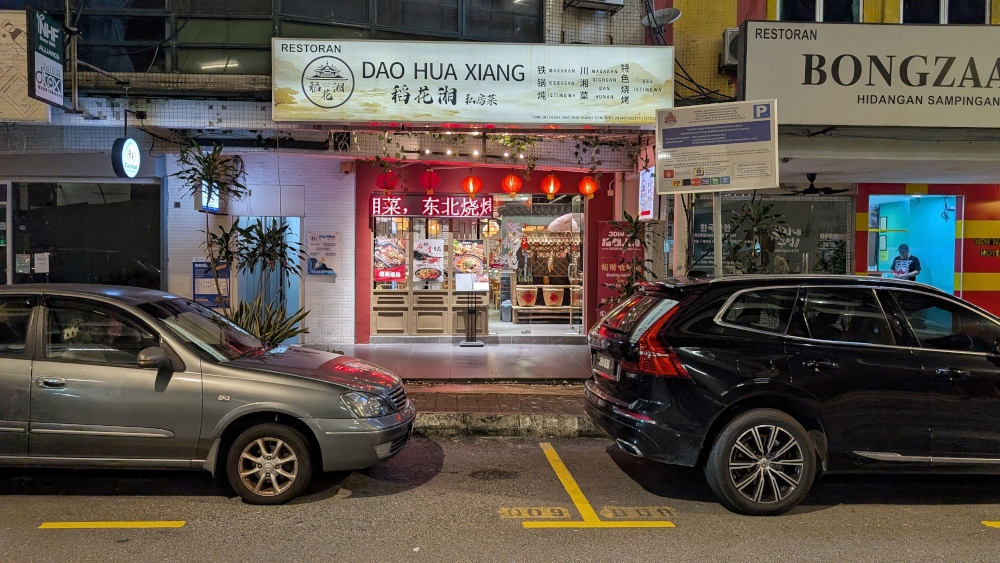
In Desa Sri Hartamas is Dao Hua Xiang, a Hunan restaurant that opened earlier this year.
It serves mostly Hunan dishes, with a smattering of Sichuan, and also, somewhat unexpectedly, a North-east or Dongbei speciality: tie guo dun, iron pot stew.
The restaurant is something of an anomaly in this area. It is flanked by Korean restaurants in every direction, and occupies the space formerly home to Breadfruits, a popular cafe which closed last year after more than a decade of business.
The friendly proprietor, Mr Li, hails from Hunan. After a short chat with him in Mandarin, during which he was hesitant to recommend certain dishes because earlier diners hadn’t taken well to some of the more nuanced flavours, we ordered.
I’ve never understood that, by the way. Walking into a restaurant, especially one serving a specific regional cuisine and expecting it to fit our narrow definition of “what’s good” — more accurately, “what I like” — then blaming the restaurant when we don’t like it and conflating that with “not good”?
Surely we can do better.
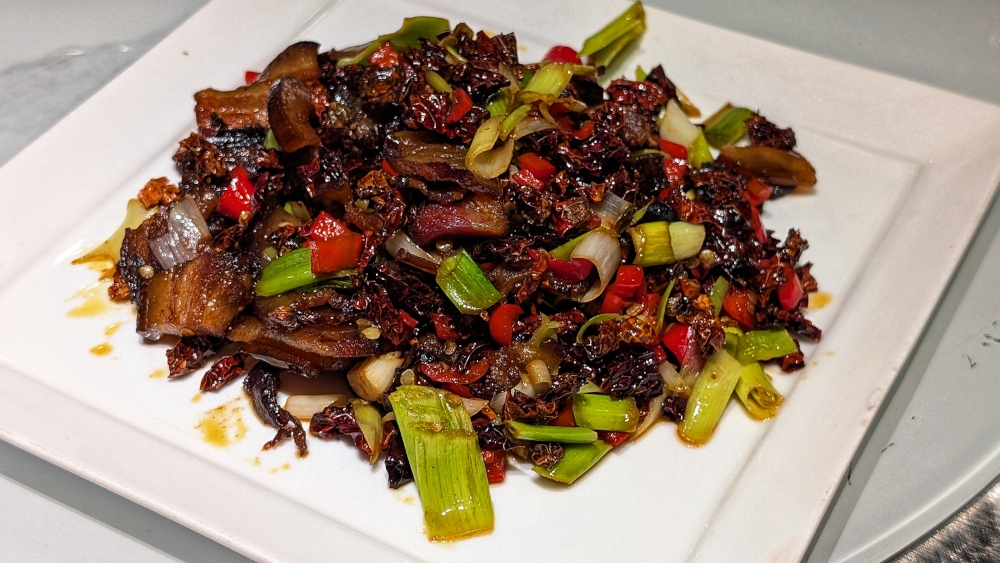
One such dish is the chilli-fried smoked pork (RM48), which uses a variety of lap yuk that Mr Li is quick to warn us is nothing like the Southern waxed meat we know.
Instead of that sweeter, more fragrant approach, this dish revolves around intensely smoky slices of pork, backed by the heat of chillies, both dried and fresh, plus aromatics like garlic and Chinese leeks.
Though slightly one-dimensional, it is representative of the gan la or “dry spicy” flavour profile characteristic of Hunan cuisine, and goes great with a cold beer, especially Tsingtao or Harbin.
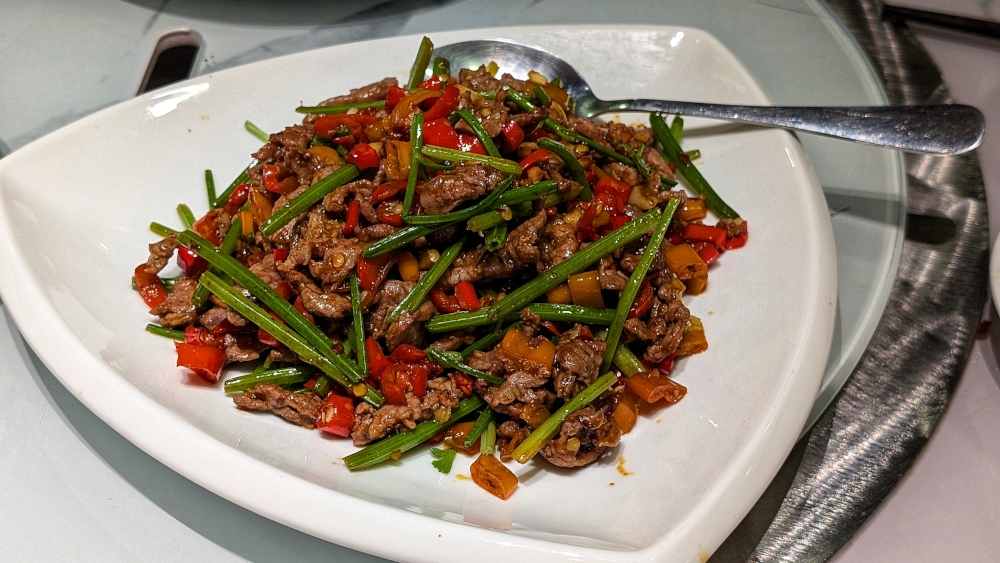
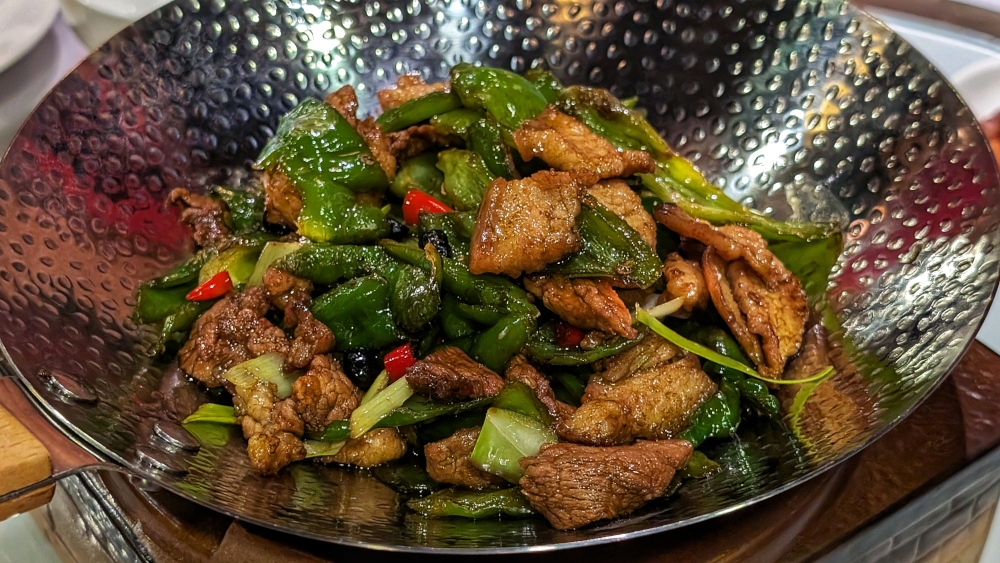
Far more impressive is the shredded pork with vegetables (RM36). The name is a terrible translation of what is actually farmer’s stir-fried pork and peppers, a true Hunan classic made with thin slices of pork belly wok-fried with Chinese long horn peppers (typical of Hunan and mildly hot, similar to shishito) and fermented black beans.
Savoury, surprisingly spicy and intensely fragrant, this is a true rice thief.
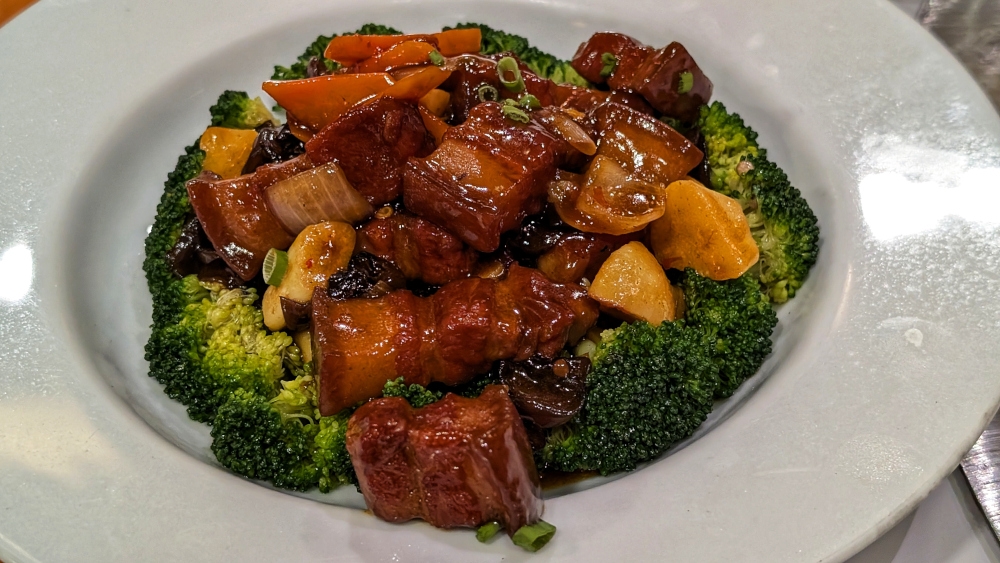
Oh, wait, maybe this next dish is the true rice thief. Hunan is famously known as the birthplace of Mao Zedong, and Hunan-style red braised pork is said to have been one of his favourite dishes.
Listed on the menu simply as braised pork belly (RM48), what arrives are hunks of pork belly so tender yet so perfectly intact that it hardly makes sense.
It is not a greasy, sloppy mess; each piece holds firm between a pair of chopsticks, but the fat and meat melt away the moment they reach your tongue.
The sauce is glossy and sticky from rock sugar cooked down with light and dark soy sauce, the essence of the red-braising method.
Though pork may dominate here, it is by no means the only meat on the table. The stir-fried beef (RM39) and farmhouse-style chicken (RM58) lean tangy and piquant, built on the bright heat of pickled red chilli.
The beef pairs tender slices with crunchy stalks of Chinese celery and a balance of fresh and pickled chillies, while the chicken is a saucier, deeper affair, sharing many of the same aromatics as the farmer’s stir-fried pork and peppers.
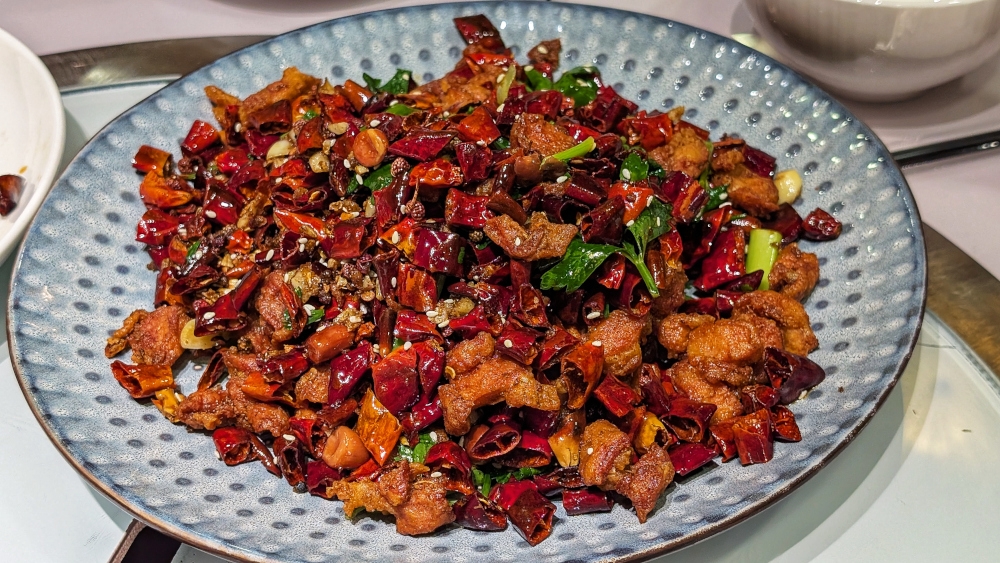
And then come the dishes advertised with lots of heat. One is the Sichuan classic la zi ji, listed as sautéed diced chicken with chilli (RM38): crisp bits of expertly fried chicken buried under a landslide of dried chillies and numbing peppercorns.
The other is typical of Hunan: spicy duck blood (RM46) swimming in chilli-laced oil with slices of tripe, stomach and luncheon meat.
There is no shortage of chillies in the bowl, yet the flavour is gentler than expected. It lacks that bold, fiery Hunan heat, as though it’s been held back for local palates.
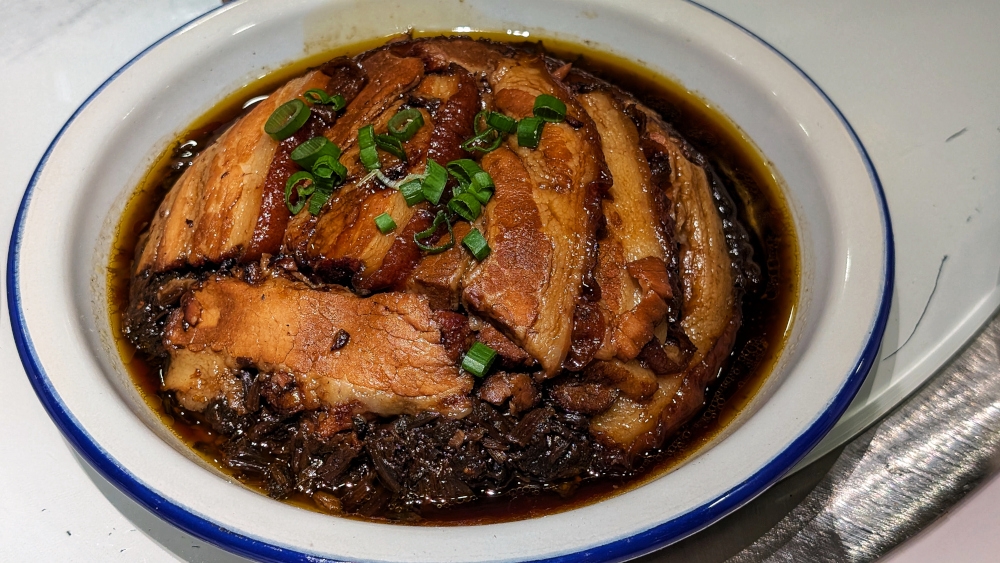
But the most interesting dish is also a familiar one. The braised pork with pickled vegetables (RM48), or mui choy kau yuk, comes highly recommended, though we are warned it is nothing like our local version.
Instead of the richer, sweeter profile we are used to, this one is deeply savoury with just the slightest hint of spice. Yet another rice thief.
稻花湘私房菜 Dao Hua Xiang Restaurant
17, Jalan 26/70a,
Desa Sri Hartamas, Kuala Lumpur.
Open daily, 12-10pm
Tel: 03-6206 2716
* This is an independent review where the writer paid for the meal.
* Follow us on Instagram @eatdrinkmm for more food gems.
* Follow Ethan Lau on Instagram @eatenlau for more musings on food and self-deprecating attempts at humour.


