

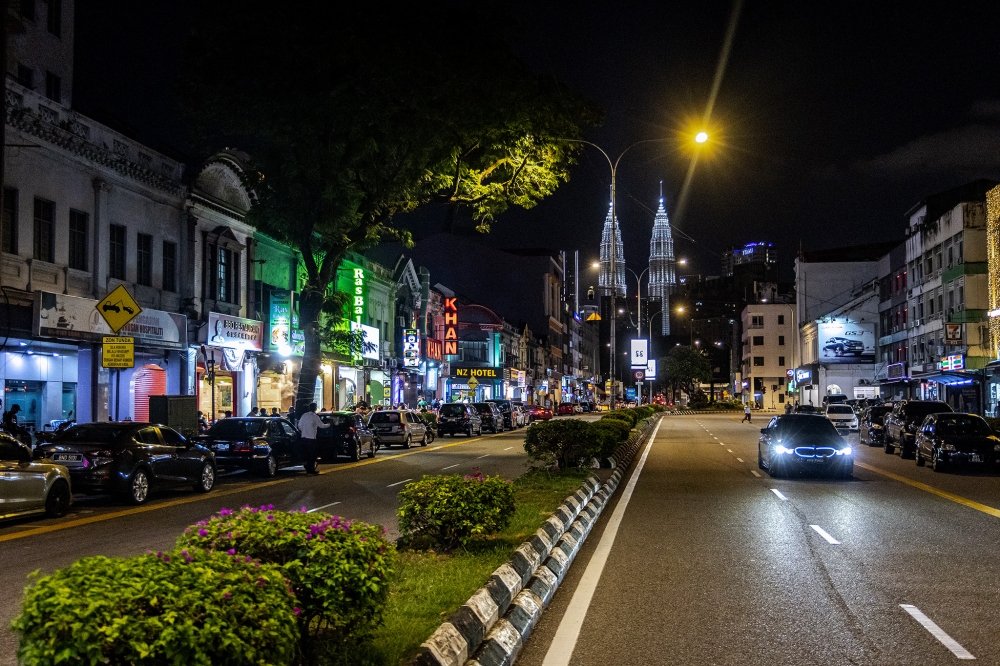




KUALA LUMPUR, March 29 — After 7pm daily, a stretch of Jalan Sultan Azlan Shah in Chow Kit here comes alive with the aroma of grilled meat and the chatter of diners.
Pakistani restaurants line the street, drawing crowds in search of authentic fare.
Nearby, grocery shops brim with spices imported from Pakistan, while barbers offer traditional Pakistani-style haircuts, adding to the area’s lively, colourful atmosphere.
Small Pakistani-owned hotels cater to visitors and locals, while nearby Masjid Jamek Pakistan provides migrants with a familiar sense of comfort.
Over time, these elements have helped the area earn a reputation as Kuala Lumpur’s unofficial “Little Pakistan”.
Quiet street to food hub
Long before the area became known for its vibrant Pakistani community, the former Jalan Ipoh was relatively quiet at night.
According to business owners, among the earliest Pakistani restaurants to operate was Mehran, which dates to the early 1990s.
“It was the place many Pakistanis went to when they wanted authentic food,” said Malik Naim, 40, co-founder of Pak Punjab, who has lived in Malaysia for about 20 years.
“Nobody would walk in that area after 7 pm, the street was like a ‘jalan hantu’ — very quiet,” he recalled.
Ras Balouch Restaurant then opened in 2007, drawing more customers in search of Pakistani cuisine, with staples like mutton karahi, chapli kebab, and grilled boti skewers.
A growing ecosystem
As restaurants gained popularity, grocery shops specialising in Pakistani ingredients began opening nearby.
These stores sold staple items such as basmati rice and red chilli powder, alongside spices like turmeric, cumin, coriander, garam masala, cardamom, and cloves.
Among the earliest was Khan Foods, which opened in 2010.
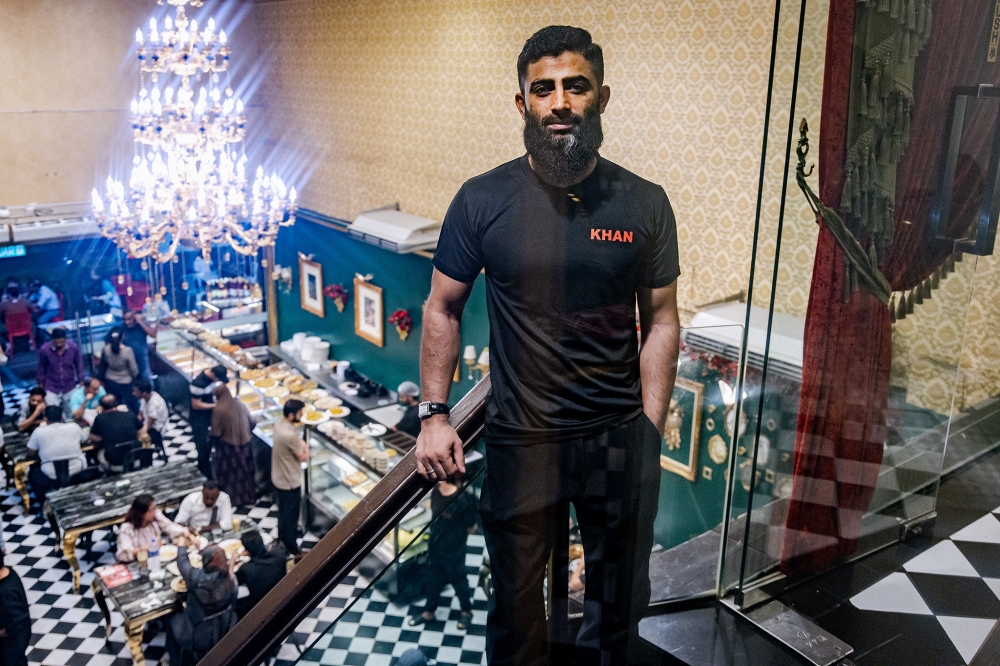
Naseem Khan, 42, owner of the Khan brand, explained that his uncle started the shop to provide authentic ingredients for Pakistanis in KL, who often struggled to find them.
“There was a large number of Pakistanis in KL who couldn’t get authentic spices,” he said.
“Back then, people would bring ingredients from Pakistan for their own cooking at home.”
Over time, these ingredients became more readily available locally, turning the area into a trusted source for Pakistani groceries.
“Khan Foods is the foundation of why many came to Jalan Ipoh,” he added.
In 2011, as restaurants and grocery shops began attracting many Pakistanis to the area, Dynamic Hotel was established by a Pakistani immigrant and his Malaysian wife.
It was soon followed by other services, including one salon called Pakistani Hair Dressing Saloon.
New wave of restaurants, grocery shops, and salons
As the Pakistani community began settling in the Chow Kit area, its central location and strong transport links via the monorail, LRT, and major roads have fuelled a surge of new businesses nearby.
In 2013, Pak Punjab launched its first Malaysian outlet here, aiming to introduce Pakistani Punjabi dishes to a broader audience.
“We wanted to introduce Malaysians to Pakistani Punjabi dishes because Malaysia is a multicultural country,” Malik said.
It was the first brand to introduce pure Pakistani Punjabi cuisine nationwide, later expanding outlets in Jalan Tuanku Abdul Rahman, Desa Sri Hartamas, another in Chow Kit, and Kota Warisan in Sepang.
Several more eateries joined the growing cluster, including Restoran Pakistan in 2016.
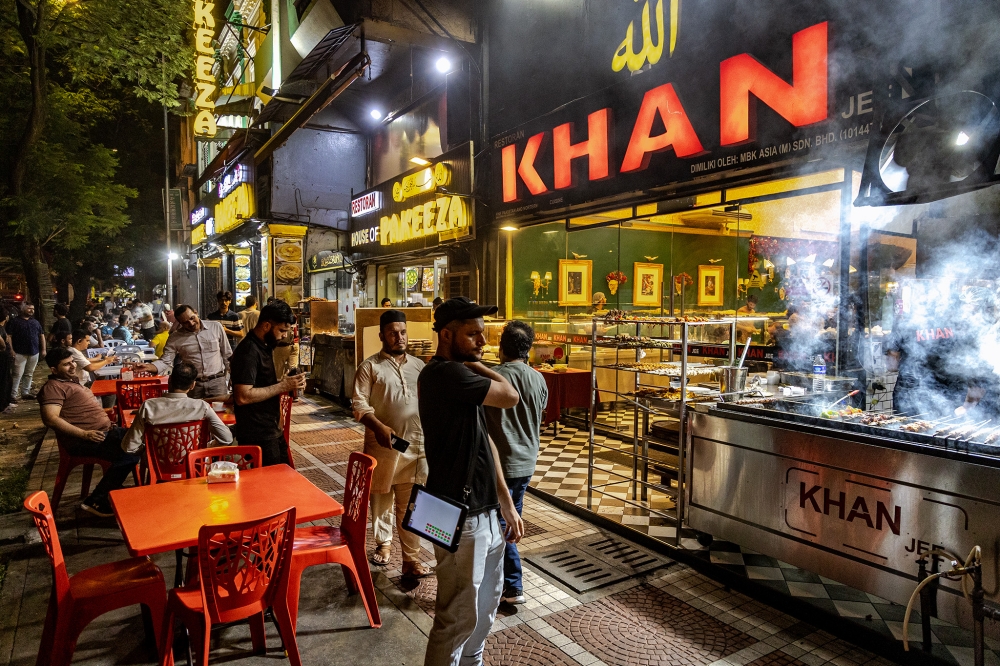
The building that once housed Mehran was eventually redeveloped, making way for two new restaurants.
The first Khan Jee opened in 2017, followed by House of Pakeeza — already established in PJ — which launched its second branch in Chow Kit in 2020, wanting to join the growing wave of Pakistani businesses in the area.
Khan Jee remains a staple, known for dishes like mutton pulao and barbecue, and continues to attract both Pakistanis and Malaysians.
Local retiree Muhammad Nasir, 69, says he seldom goes to Chow Kit, except when he wants authentic Pakistani food, and Khan Jee is his preferred spot.
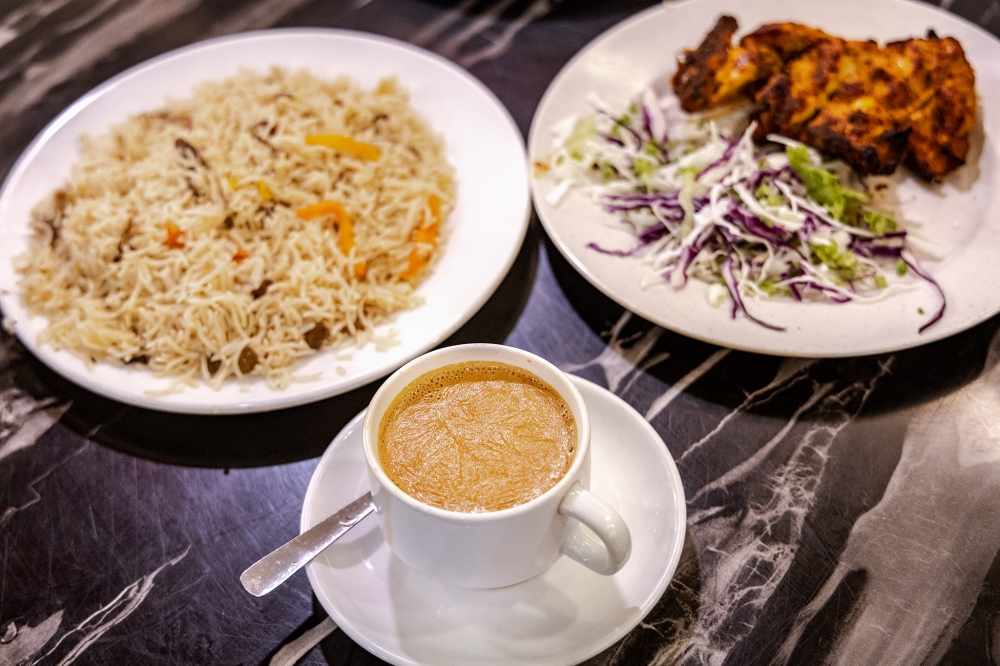
The restaurant has expanded with a second branch in the same area in 2022 and a third at Jakel Mall on Jalan Munshi Abdullah.
Eateries Monal and Restoran Qazi soon opened doors in 2025.
Monal, part of an international restaurant brand originating from Pakistan, chose the location for its already established reputation.
“We opened here because the area was already famous for Pakistani food,” said its manager.
“There are a lot of foreigners and members of the community here.”
The restaurant offers an extensive menu of more than 130 dishes, including favourites such as mutton biryani.
It was later joined by HM Wholesale, a grocery shop connected to the brand.
More businesses have continued to emerge, including A&Z Food Pakistan and Smart Cut Barber Shop.’
A home away from home
Today, more than 20 Pakistani-related establishments — including restaurants and other businesses — operate in the Chow Kit area
Business owners note that word of the neighborhood has even reached Pakistan, attracting tourists who make a point of visiting when traveling to KL.
The area today offers many Pakistani immigrants a rare treasure: a vibrant center of Pakistani culture.
Syed Arshad, 27,who moved to Malaysia three years ago, said he discovered the area while searching for authentic Pakistani food.
“Every night, it’s not just Pakistanis — South Asians gather here, including people from Bangladesh and even Europe,” he said.
“Even back in Pakistan, the streets and food are just like this — weather in Karachi or Lahore.
“It reminds us of home,” he added.
Islamabad-born Ali Shah, 32, who lived in Malaysia for decades, said the area has evolved beyond being just a food destination.
“When I come to Chow Kit, I feel like I’m in Pakistan,” he said.
He added that the sense of hospitality is strong, noting that immigrant and local diners are often treated like family regardless of race, religion, or background.
Syed added, “It’s how we were brought up back home — to treat people with kindness.”
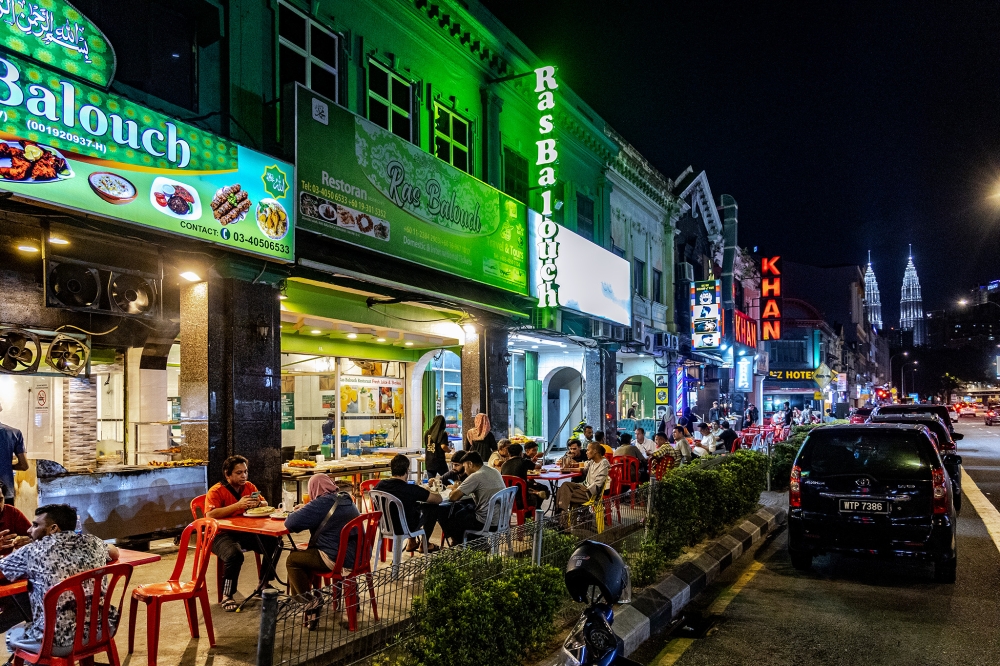
Ali Hassan Asghar, 23, from Lahore, described the area as a familiar and lively gathering place.
“Every day, you see Pakistanis and locals coming here,” he said.
According to information published on the Pakistan High Commission in Kuala Lumpur’s website, the Pakistani community in Malaysia is estimated to exceed 85,000.
As the community continues to grow, Jalan Sultan Azlan Shah stands not just as a food destination, but as a slice of home for Pakistanis in the Malaysian capital.