












SION (Switzerland), Jan 3 — The head of the hospital which received casualties from the horrific Swiss ski resort bar blaze told AFP yesterday there were not only burns but injuries such as fractures as people ran for their lives.
Eric Bonvin, managing director of hospitals in southwest Switzerland’s Wallis canton, said that judging from the casualties, it was likely that people were crushed and suffocated in the panic, while some were injured desperately trying to save others.
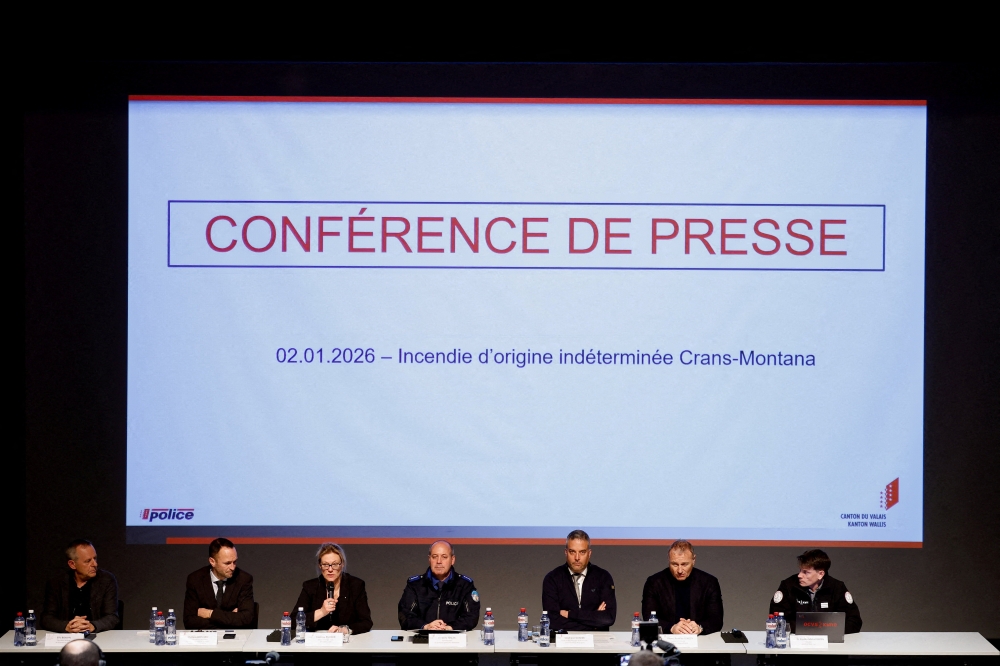
Forty people died while 119 were injured in the blaze at Le Constellation bar in Crans-Montana early on Thursday as people celebrated the New Year.
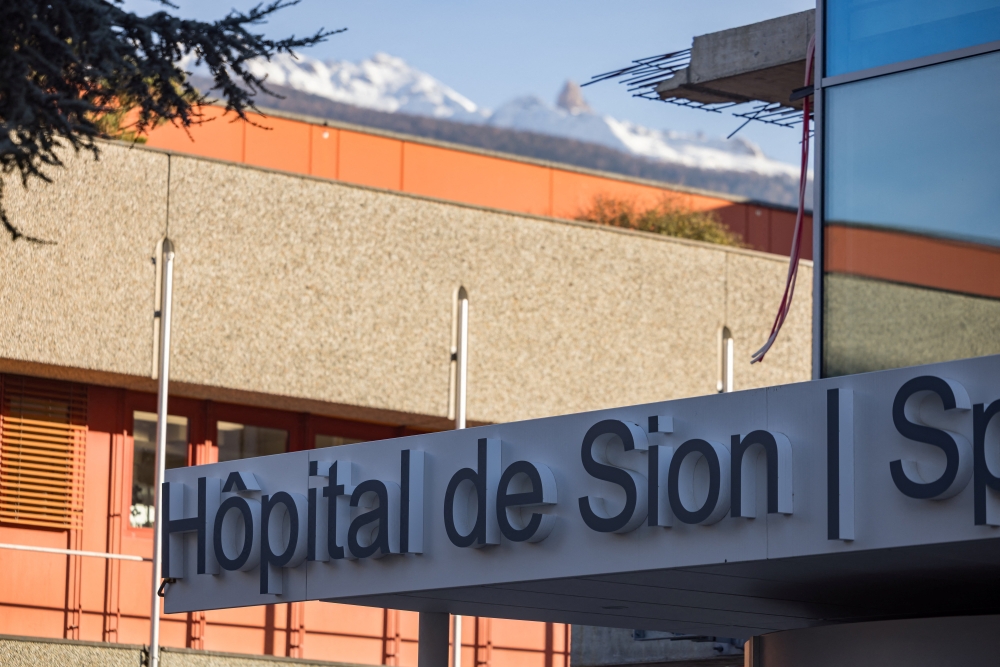
Bonvin said 55 seriously injured casualties were brought down to Sion hospital in the hours following the fire.
Asked if besides burns, there were injuries such as broken bones, he said: “There were things like that; there were injuries too,” he told AFP.
“That also applies to the people who helped get people out,” he added.
“There were young people who very intensively took part in getting people out, and they were also injured somewhat,” he said.
‘Panic’
Bonvin said crush and suffocation injuries were to be expected in such rapidly evolving scenes of horror.
“When there’s panic, people try to get out — and we’ve seen images of them falling down the stairs — and we know that happens in all panic situations,” he said.
“The people who were crushed, it was something terrible. But for many, either they were injured in that situation — we think, we weren’t there, we saw the injuries afterwards — but probably... many were suffocated.”
He stressed it was ultimately for the investigation to determine how people died at the bar.
“At the hospital, we only see the people who arrive — who are still alive — and then we treat them as best we can.”
Eleven patients remain at Sion hospital, with 28 having been transferred to other hospitals in Switzerland and abroad.
Bonvin said no patients had died at the hospital, but that survivors remained in “difficult situations”.
Four are in intensive care, and some others are in surgery.
Intubation
Bonvin said some casualties were brought in by ambulances while others presented themselves at the hospital, some having been driven in by their parents.
He said people had been treated not only for external burns but for inhalation burns, something “extremely complex and difficult” to manage. Most were sent on to other hospitals.
“What’s also tricky is, if it affects the respiratory tract, you have inflammation, oedema,” said Bonvin.
“They have to remain intubated until they recover and until their airway is stable and open enough again for them to breathe.”
Bonvin said the situation was now in a stabilisation phase — but one no less delicate as families have first contact with their injured loved ones. — AFP