


SYDNEY, Dec 22 — A father and son are accused of opening fire on a Jewish festival at Sydney’s Bondi Beach, killing 15 people and wounding many more.
Here’s what we know about the December 14 attack, one of the deadliest mass shootings in Australian history.
Gunfire at Bondi
Police received first reports of gunfire at Bondi Beach at 6:47 pm (0747 GMT).
Sajid Akram, 50, and his son Naveed, 24, allegedly fired long-barrelled guns into the crowds at a family-thronged Hanukkah celebration that drew about 1,000 people.
In court documents released Monday, police alleged the pair “meticulously planned” the attack “for many months”.
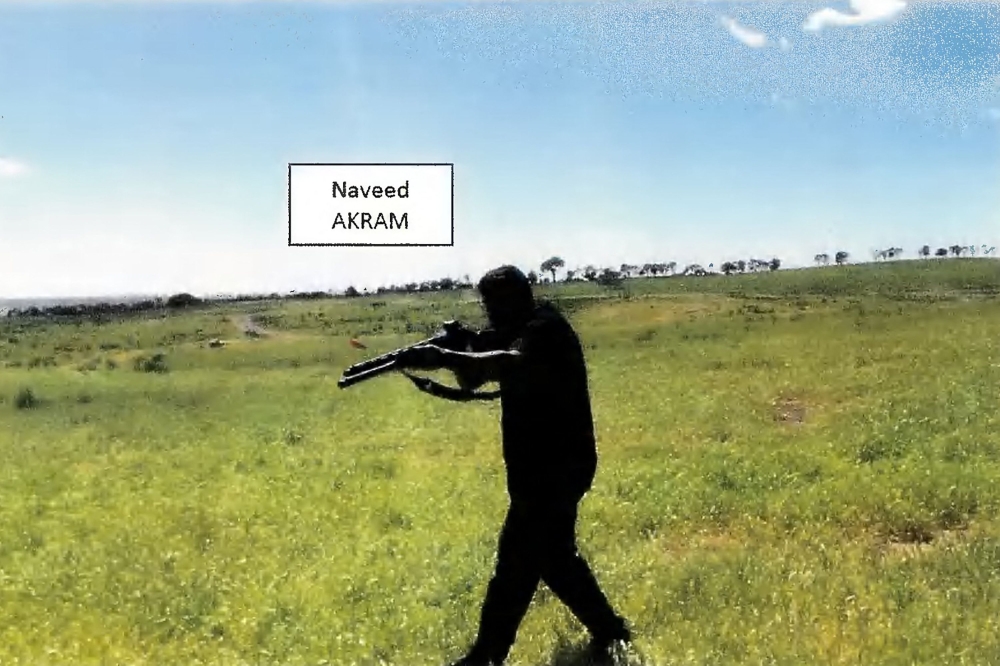
This includes allegations that they carried out “firearms training” in what police said could be the New South Wales countryside.
And the pair made a nighttime “reconnaissance” trip to Bondi Beach just days before the killings, police said.
In surveillance footage, the pair are captured walking along the footbridge from which they would later mount their attack.
They also recorded a video denouncing “Zionists” and detailing their motivations for the killing.
The pair are believed to have rented a room in a shared house days before the shooting.
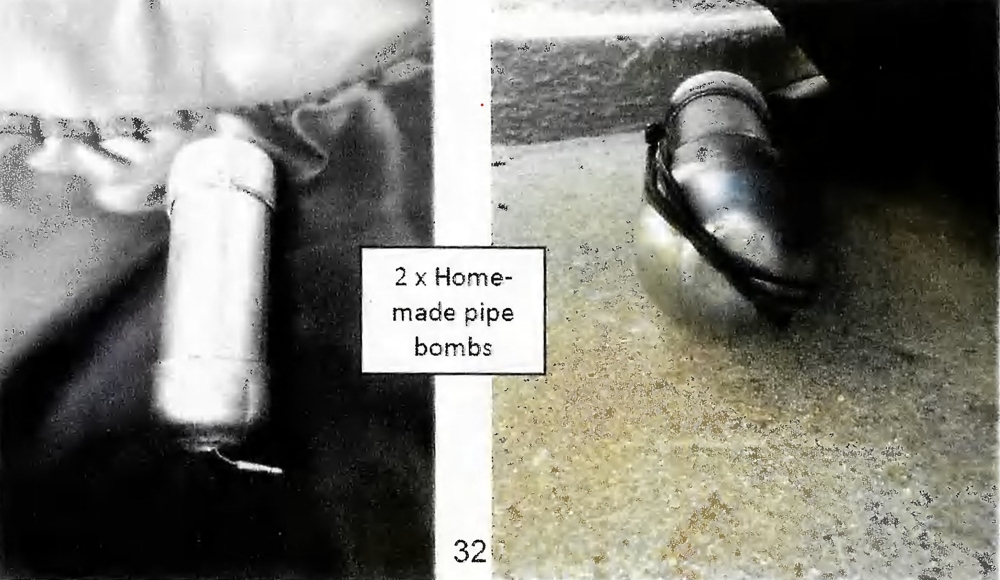
In the early morning of the shooting, they were captured loading “long and bulky items wrapped in blankets” into a car. These items, police allege, were three firearms, four homemade bombs and two IS flags.
Hours later, the father and son drove to Bondi to unleash the attack.
Toll
Among the 15 killed were a 10-year-old girl, a Holocaust survivor and a married couple shot as they tried to thwart the attack.
Funerals have been held for most, including young Matilda, who was described as a “ray of sunshine”; 87-year-old retired mechanic and Holocaust survivor Alex Kleytman; and Bondi locals Boris and Sofia Gurman, who confronted one of the gunmen.
Alleged gunmen
Sajid Akram was shot and killed by police at the scene. An Indian national, he entered Australia on a visa in 1998.
His 24-year-old son, unemployed bricklayer Naveed Akram, was wounded and taken to hospital under police guard, emerging from a coma after three days.
An Australian-born citizen, he has been charged with terrorism, 15 murders, 40 counts of grievous bodily harm with intent to murder and displaying a symbol of a prohibited terrorist organisation after two Islamic State group flags were found in his car.
He was transported from hospital to jail Monday, where he will await his next court date.
Investigation
The suspects took a four-week trip to the southern Philippines, returning weeks before the shooting.
Staff of Davao City’s GV Hotel told AFP that the two men stayed in their small room for most of their 28-day stay.
But it is not known what they were doing in the country.
The Australian Security Intelligence Organisation investigated the son in 2019 for possible radicalisation but decided he did not pose a threat.
The service also spoke to the father as part of that review, but he was able to obtain a gun licence that allowed him to hold six rifles, three of them retrieved at the scene of the shooting.
Response
State and federal governments are looking to implement stricter gun reforms in light of the shooting.
The New South Wales parliament pushed ahead Monday with what it said were the country’s strictest gun laws and a ban on displaying “terrorist” symbols.
The reforms are expected to pass parliament this week.
And Prime Minister Anthony Albanese said he will launch a buyback scheme to “get guns off our streets”, the largest since a lone gunman killed 35 people in Port Arthur in 1996.
He has promised tougher gun laws across Australia with stricter background checks, a ban on non-nationals obtaining firearms and limits on the types of weapons that are legal.
The federal government has also outlined a suite of measures to target extremist preachers, impose stiffer punishments and refuse or cancel visas for people who spread “hate and division”.
Albanese apologised on Monday to the country’s Jewish community and said he felt “the weight of responsibility for an atrocity that happened”. — AFP


