


APRIL 15 — The on-again, off-again US-Iran peace talks are essential for reversing decades of mutual retaliation between the US and Iran.
These intermittent negotiations pause the cycle of tit-for-tat aggression, from 1979’s hostage crisis to recent Strait of Hormuz blockades. By creating de-escalation windows, they prevent total war while addressing past errors like broken nuclear deals.
This diplomatic rhythm acknowledges that immediate resolutions are unrealistic amid deep mistrust, allowing both sides to test goodwill without irreversible concessions.
As of April 15, President Donald Trump affirmed that diplomacy, despite failing in Islamabad, can still be resurrected, signalling persistence over despair. Such affirmations underscore how these talks serve as pressure valves, mitigating the economic hemorrhage from endless reprisals.
Retaliation cycle origins:
US-Iran hostility began with the 1953 coup, leading to sanctions, proxy attacks, and Trump’s 2018 JCPOA exit. Iran’s tanker strikes and US strikes fuelled endless reprisals, each justifying the next in a self-perpetuating loop.
On-off talks, such as Islamabad’s 21-hour session, interrupt this by allowing mediated pauses without full surrender, fostering incremental trust where outright victory eludes grasp.
This cycle’s roots run deep: the 1979 revolution weaponised anti-Americanism, prompting US embassy seizures and arms embargoes, while Iran’s Lebanon bombings in 1983 drew naval reprisals.
Decades later, Soleimani’s 2020 assassination by the US escalated proxy wars further before Israel and the US went on a rampage against Hamas, Hisbulllah and Houthis.
As things are, intermittent diplomacy, via Oman or Pakistan, reverses this by sequencing small wins — ceasefires first, then verification — breaking the retaliation momentum that has cost trillions in lost trade and security spending. Without these pauses, escalation would mirror the Iran-Iraq War’s carnage, amplified by modern chokepoints.
Economic fallout
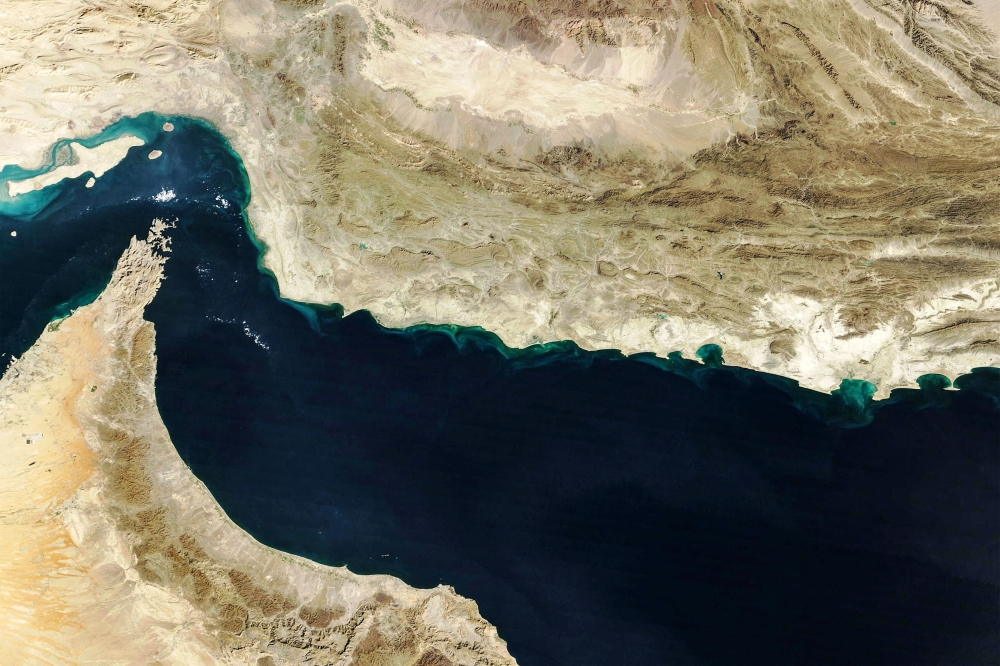
For now, Iran’s Hormuz partial closure and US blockade spiked Brent crude over US$100 (RM395), hitting 20 per cent of global oil flows. Indeed, IMF has cut 2026 GDP forecasts to 3.1 per cent; leading to a dip in most bourses worldwide, with the dollar inching up as a safe asset. Ironically, due to the US’s willingness to defend itself.
GCC exports have stalled, invariably inflating EU energy costs by 15-20 per cent to date, while Asian manufacturers grapple with input surges.
Airlines report 25 per cent fuel hikes, crimping profits; consumers face gasoline premiums echoing 1970s stagflation.
The S&P 500’s 25 per cent volatility spike post-Islamabad reflects investor whiplash, with Treasuries yielding 3.79 per cent as havens.
Goldman Sachs shares fell 3 per cent amid revenue fears, underscoring how retaliation’s economic drag transcends borders, eroding business confidence and FDI flows.
Diplomatic reversals:
For what it is worth, Pakistan’s mediation echoes Oman channels, sequencing cease-fires before any deals can be made.
Trump’s hints at quick resumption of more talks show that such endeavours chip away at the preponderance of escalation, despite repeated failures. This mirrors Cold War arms talks, prioritising persistence over perfection.
These reversals demand nuance: Iran’s parliamentary hardliners decry US “excessive demands,” yet backchannel persistence via Trump’s envoys like Witoff-Araghchi sustains momentum. Pakistan’s second-round proposal as of April 14 builds on 45-day ceasefire bids, proving third-party brokerage humanises foes.
By framing talks as mutual correction — US overreach in regime rhetoric matched by Tehran’s proxies — diplomacy dismantles zero-sum logic, paving for verifiable steps like missile stand-downs.
Global strain:
Asean faces an impending inflation too due to supply shock. Malaysia’s energy imports risk 2 per cent CPI hikes, straining food security, too, as Gulf shipping falters.
The European Central Bank (ECB) warns of 0.6 per cent EU growth cuts if prolonged, with Christian Lagarde highlighting inflation-growth tradeoffs.
China and India’s LNG scrambles exacerbate this, delaying green transitions amid US$5 trillion market cap evaporation. GCC states confront 5-7 per cent GDP contractions, forcing diversification; while fertiliser disruptions via Hormuz threaten global agriculture, per UN alerts.
Forward path:
Invariably, only the UN patrols and phased sanctions relief can end the pendulum-like effect.
A UN’s Hormuz task force must quickly propose trade mechanisms for humanitarian flows. This would echo JCPOA’s precedents; where IAEA verification can unlock suspensions.
Phased relief — tied to nuclear caps and waterway reopening — offers a timeline both can accept.
For now, economic losses are mounting: IMF scars predict lasting supply chain damage, elevated oil floors, and stagflation risks.
Unless the US and Iran take bolder moves ensuring the nuclear issue resolves with an agreeable timeline — perhaps through Pakistan, Turkey, Oman and Egypt combined — the global economy remains a major victim.
Intermittent talks, for now, though frustrating, remain vital. They embody realpolitik’s path to stability; proving persistence trumps the folly of retaliation.
* Phar Kim Beng is professor of Asean Studies and director at the Institute of Internationalisation and Asean Studies, International Islamic University of Malaysia.
** This is the personal opinion of the writer or publication and does not necessarily represent the views of Malay Mail.


