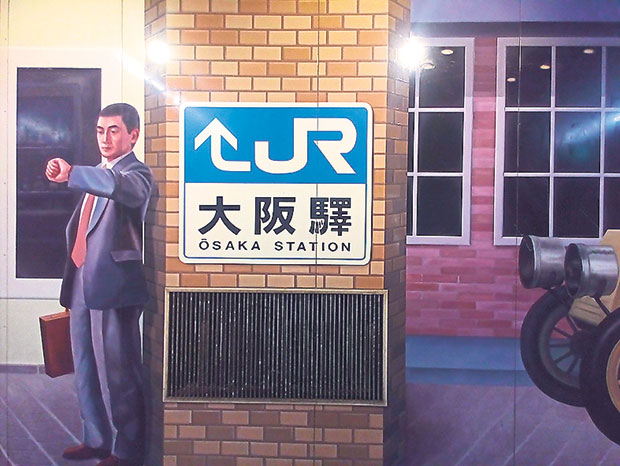
OSAKA, July 3 — Home to Japan’s busiest port and the country’s third most populous city, Osaka is the epitome of a bustling metropolitan with an intense buzz that never seems to stop. Its high-octane energy assaults your senses the moment you arrive at Osaka Station, which, together with adjacent Umeda Station make up the busiest rail hub in Western Japan and the fourth busiest in the world.
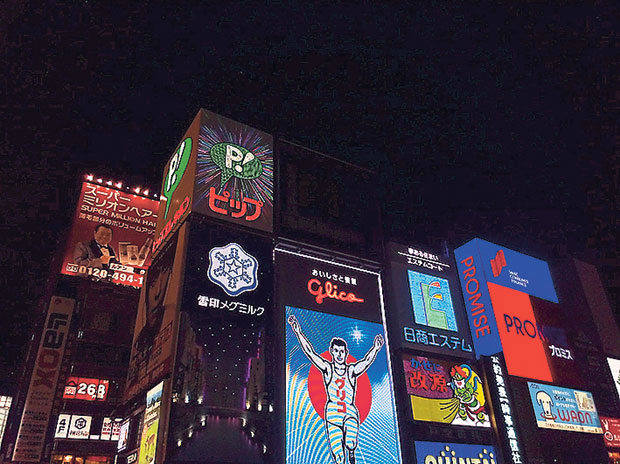
Head to shopping heaven Shinsaibashi or foodies’ sanctuary Dotonbori any day of the week and you will be swallowed up by massive crowds. Indeed, Osaka is not for the claustrophobic or those seeking a restful getaway. But amidst the noise, bright lights and other stimuli, there are pockets of calm to be had.
Namba Walk
The pedestrianised Shinsaibashi is where shoppers and tourists find the most excitement from countless street front boutiques and multi-level departmental stores. Throw in a good mix of restaurants, coffee spots and street food (Osaka-born Pablo Cheesecake still draws the longest line) in neighbouring Dotonbori, and you have the city’s most vibrant and crowded spot.
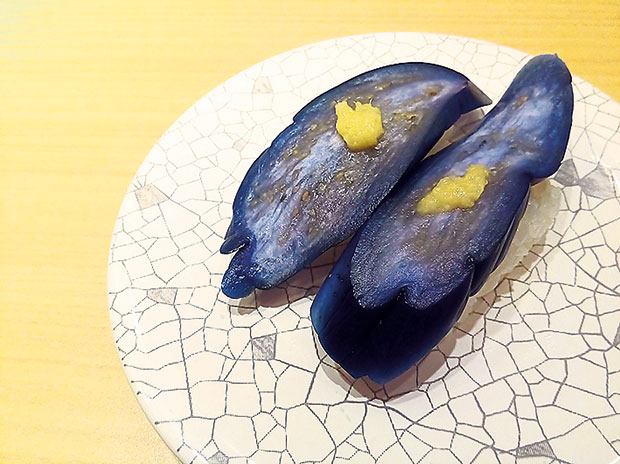
Not far from these two landmarks is a “hidden” hub that is a lot less overwhelming while offering a good range of options for shopping and dining. “Hidden” in that it lies underground, the 715-metre long Namba Walk stretches between Nippombashi subway station and JR Namba station, and is a key link that you’re bound to transit through at least once as you make your way around the city.
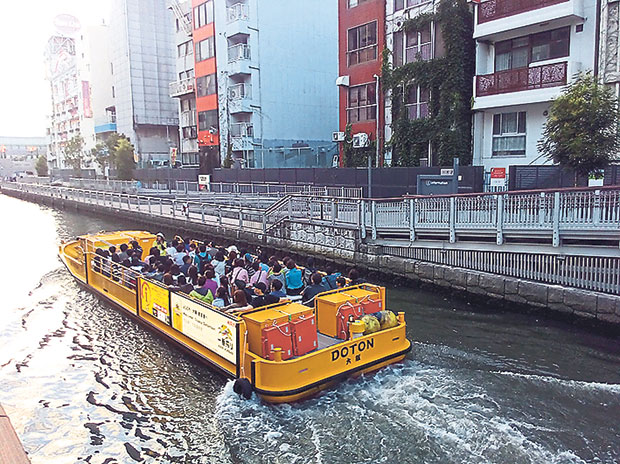
Divided into three zones, Namba Walk is ideal for hot summer days when you want to get your retail fix without breaking a sweat or on weekends when it seems the entire city has descended upon Shinsaibashi. With about 270 shops housing fashion boutiques, specialty and convenience stores, cafes, food kiosks and restaurants, you will find plenty to fill your shopping bags with along with opportunities to refuel in between.
Bonnard Cafe
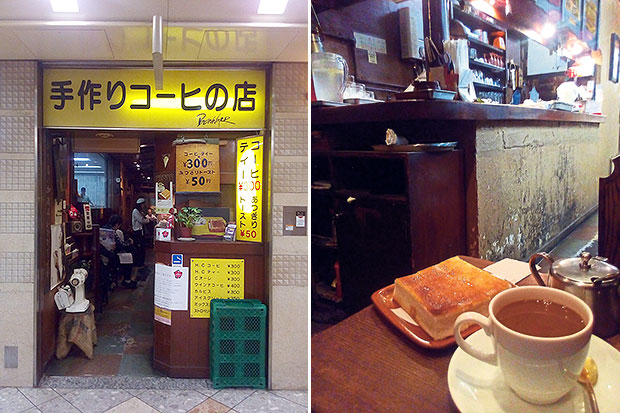
Like the Japanese version of our kopitiam, this hole-in-the-wall coffeeshop spouts a rustic charm in a cosy space dressed in dark wood panelling and decorated with reproductions of paintings by the French artist it borrows its name from. The staff don’t speak English and there is no English menu, but at least one item from their menu is displayed with a photo — that of a thick piece of buttered toast with a cup of coffee.
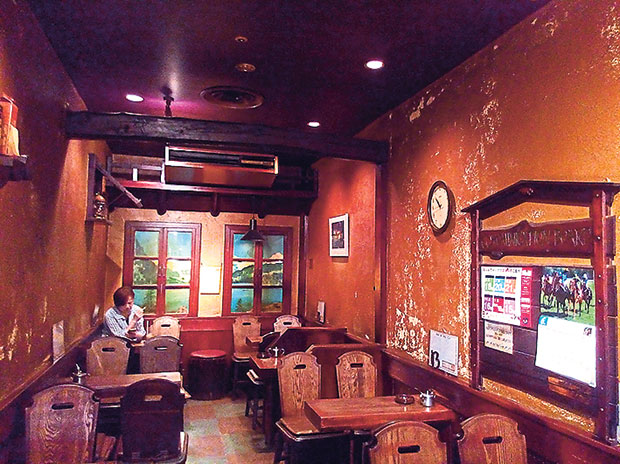
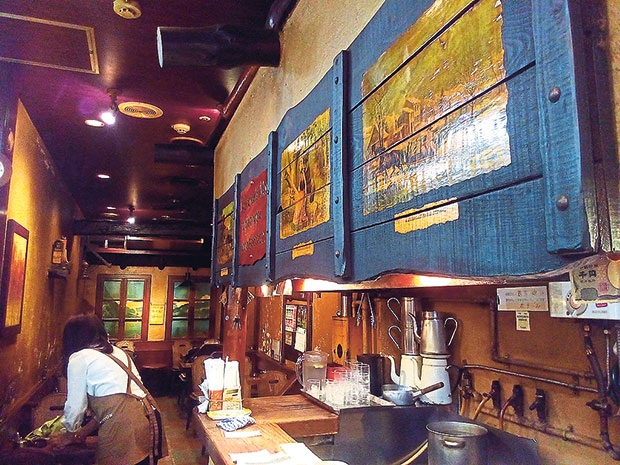
Unless you speak or read Japanese, that’s the safest thing to order and it’s a good choice. The toast is evenly browned and fluffy with a generous slathering of butter while the coffee is rich and aromatic. Start your day here and you will join a regular clientele of elderly locals sipping their choice brews — behind newspapers, not head down over smartphones.
• 177 3rd Avenue, Namba Walk
Chicago Gallery
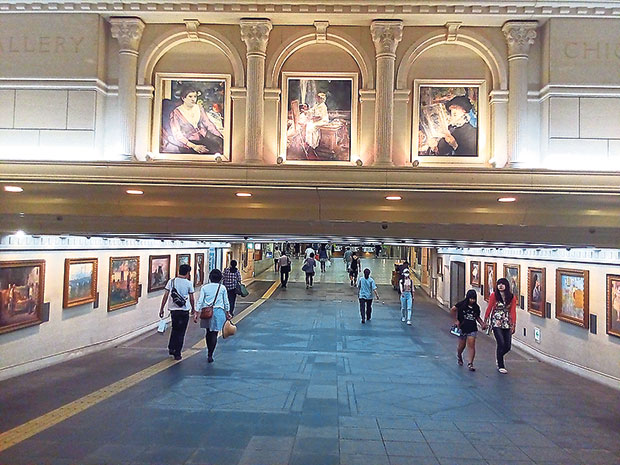
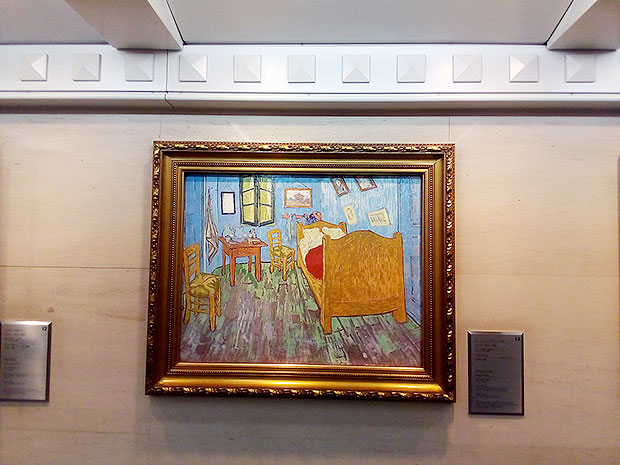
Also within Namba Walk is a glimpse into the Art Institute of Chicago’s esteemed collection. Located at the Art Park zone, the short walkway is decked out like an art museum to showcase replicas, on ceramics, of selected masterpieces the likes of Van Gogh’s The Bedroom. You may not get the quiet atmosphere of an actual museum but for some moments, at least, you can escape into the world of classical art while the city’s commuters zip past you.
• 1st Avenue, Namba Walk
Dogoyasuji (Kitchen Street)
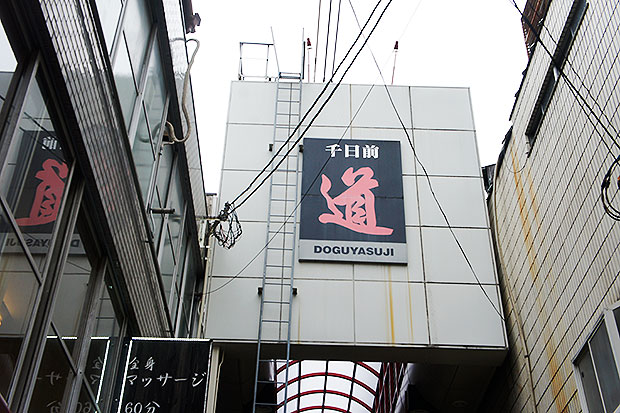
If Kuromon Market represents Osaka’s kitchen, nearby Dogoyasuji or Kitchen Street is the backbone that has been making it possible for nearly a century. It is so named as the shops along this 150-metre strip specialise in kitchen supplies, catering mainly to food and beverage outlets.
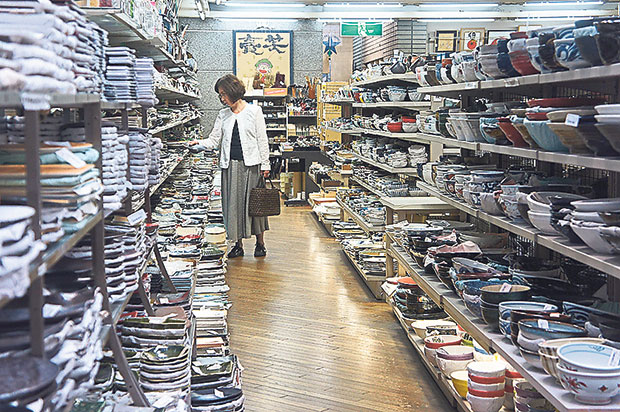
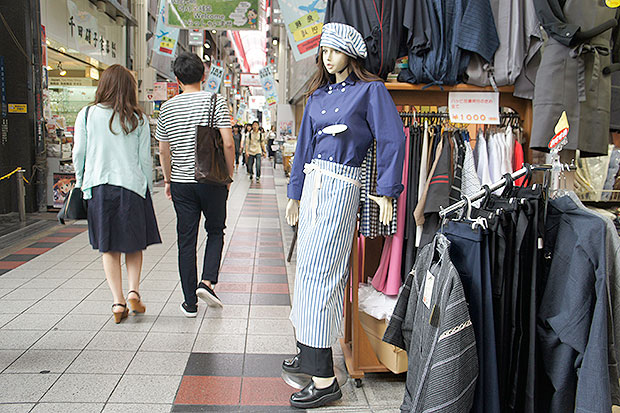
The restaurateur can find every little thing he or she needs to set up shop, from chef’s uniforms to menu boards and door signs. It’s also a treasure chest for those who love Japanese ceramics, particularly tableware; shops spill over with neat stacks of plates in all shapes and design.
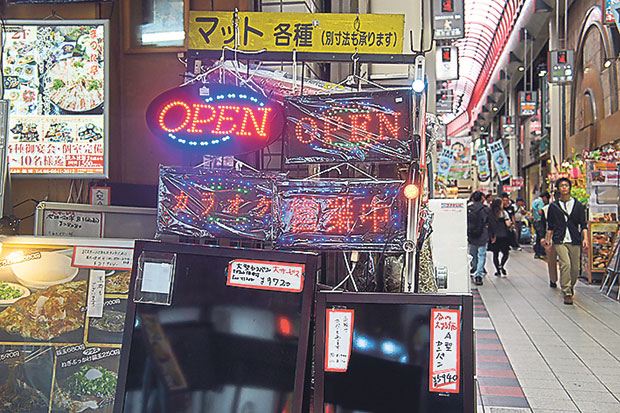
The best time to visit is during the annual Doguyasuji Festival, usually held in October, that is jointly organised with Kuromon Market to present the best of Osaka’s culinary heritage, from food fair to related traditional trades such as knife sharpening workshops.
• Nambasennichimae, Chuo-ku
• Nearest subway station Nippombashi (Sennichimae line)
Standard Bookstore
With a tagline that translates into “We are a bookstore, but we don’t sell bestsellers”, its name is thus a misnomer but you won’t mind once you step inside Standard Bookstore. Instead of works by big-name authors, their offerings comprise rare and hard-to-find titles on arts, design, culture, fashion and other niche subjects.
There are not many English books although they do carry some international magazines. Standard also combines a zakka store between its bookshelves, stocking a wide range of goods from coffee-making accessories to enamel tableware and novelty gift items. Most of these are displayed in the basement level, which also houses a spacious cafe that’s perfect for catching up on some reading over gourmet coffees.
• NLC Kurisuta Gurando Building, 2-2-12 Nishi-shinsaibashi, Chuo-ku
• Opens 11am-10.30 pm daily
• Nearest subway station Shinsaibashi/Nanba (Midosuji Line)
Spa World
Unlike the mountainous regions of Japan, natural hot springs are hard to come by in Osaka. The next best thing? Spa World, spread out over four levels in a high-rise building next to the popular Shinseikai (America-mura) and Tsutenkaku Tower. There are about 20 types of Asian and European baths, more than 10 different saunas, and rooftop swimming pools that cater to men, women and children. The saunas and pools are open to all, whereas the baths are separated into men’s and women’s sections.
You pay 1,200 Yen (RM46) per person for general access and there are additional charges for the baths (choose between a three-hour or all-day pass), saunas and other facilities such as treatments at the massage centres, and food and drinks at the restaurants.
Every visitor is assigned a wrist tag that’s your “credit card” during your time at Spa World, so you don’t have to carry your money around but tap the tag to make payment. As a guide, a six-hour visit including lunch with drinks and dessert, a 20-minute Korean body scrub, 15-minute head massage and 45 minutes on a massage chair added up to about RM350.
To make the most of your visit, set aside a full day and make it the last of your stay in Osaka — after all the shopping, walking and sightseeing, there is nothing better than to slip into hot, healing waters and melt some of that fatigue away.
• 3-4-24 Ebisu-higashi Naniwa-ku
• Opens Closed from 8.45am-10am each day for maintenance but open all other hours
• Nearest station Dobutsuen-Mae subway, Shim-Imamiya (JR and Nankai Railway) http://www.spaworld.co.jp/english/
In a parallel universe, Vivian Chong is a Japanese who lives by an onsen in the Alps region and sips matcha all day. In reality, she is a freelance writer-editor who logs her travel adventures at http://thisbunnyhops.com/