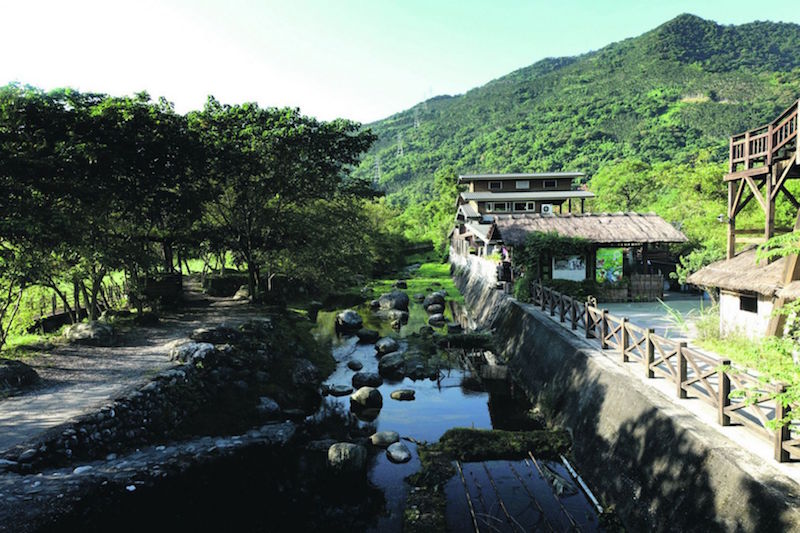


TAIPEI, Nov 12 — “You like animals, don’t you? This will be great for you.” So went my editor when he first informed me I would be going on a week-long farm stay in Taiwan. I had visited farms before, but never had the opportunity to stay at one. I had also never visited Taiwan, so it was a little like killing two birds with one stone: I would get to finally check out the “real” Taiwan beyond its soppy television dramas, and maybe get to milk a cow or three.
Having never heard of “leisure farms”, I was surprised to find that Taiwan has a thriving industry with such farms popular all over the island. Leisure farming there offers visitors a shortcut to understanding the farming landscape and natural ecology via experiential agricultural activities such as fruit picking and crop harvesting, guided tours and farm stays.
Visitors can sample local cuisine and buy produce directly from the farms, which is often cheaper than if imported into the city. With farmers turning entrepreneurs and families also looking for travel alternatives and an escape from the stress of city living, the concept of being a “weekend farmer” took off in Taiwan. People returned to the countryside to reconnect with nature and heritage, and strengthen family bond.
The farms I visited were on the less explored eastern coast of Taiwan, in the counties of Yilan, Hualien and Taitung. The farms take agritourism one step further by incorporating elements of eco-conservation and sustainability, with several of their activities geared towards educating visitors on the ecosystem and food processes.
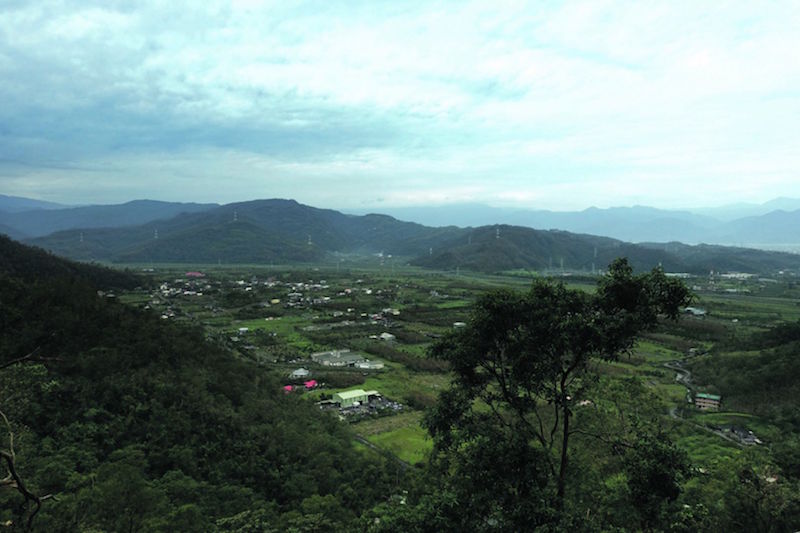
Over at Shin-Liu Farm in Hualien, for example, visitors can enjoy a unique ecological tour around the Fata’an (Matthew Saddle) Wetlands, to discover new flora and fauna, learn about the various species that frequent the area, and basically relax in the haze-free air. You can even hunt for fireflies in the evening with one of the farm’s guides; while bike enthusiasts can cycle around the nearby Da Nong Da Fu Forest Park.
Although I’m not a morning person at all, I really enjoyed my early morning walk around the wetlands, discovering the beautiful wild ginger flower which has a sweet and refreshing fragrance. Chu Jin Lang, the affable owner of Shin-Liu Farm, also impressed me with his creativity by making ice cream and waffles out of fermented tofu, which raised eyebrows and were definitely an acquired taste.
Bo’s Farm in the Pillow Hill Leisure Agricultural Area of Yilan is another interesting stop. It’s unusual in that it grows pitcher plants and other carnivorous species, instead of the usual flowers and food crops. The owner, Cheng Cing Bo, felt he could use his farm to help schoolchildren in Taiwan understand more about the carnivorous plants they study about in textbooks, thereby fostering interest in the rainforest ecosystem and spreading the word about the farm.
A walk around Bo’s Farm reminded me of old-fashioned field trips from my primary school days, where kids still got excited just being out in the open and seeing something new. More surprises were in store when I was offered a drink featuring a pitcher plant — not something I would have thought possible (or drinkable), but the result was a refreshing, light drink with hints of vanilla, rosemary, mint and sweetleaf (and a dose of courage needed to finish it!).
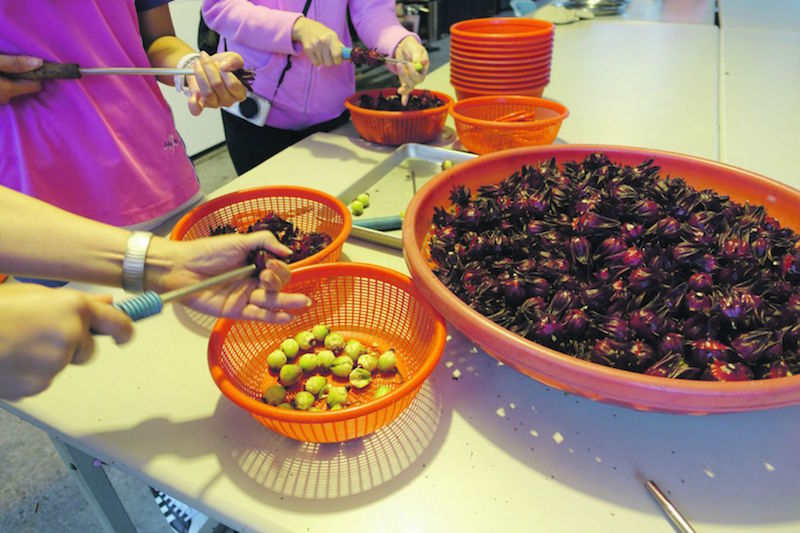
At Fairy Story Village Organic Leisure Farm in Yilan, I learnt about the roselle plant and its various uses, complete with a session on picking the buds, removing the seeds and making preserved fruit — an activity I thoroughly enjoyed as it was educational and fun at the same time. Those into healthy eating will be pleased to know the farm’s organic produce will also feature at the dining table.
And while I didn’t get to milk a cow, I did see plenty of animals at Shin Kong Chao Feng Ranch and Resort. At over 700 hectares, the sprawling ranch in the heart of Hualien is so huge that you need a buggy to get around the various attractions, which include a European-styled landscape garden, an animal zoo, an aviary, a “Jurassic park” and plenty of activities for kids to learn about eco-farming and get up close with animals.
Some of the farms also partner with Taiwan’s aboriginal tribes to showcase their culture and way of living, and market their products as a source of income. At Shin-Liu Farm, for example, visitors can engage in DIY activities with the Amis people. We saw how they did palakaw fishing (the tribe’s unique way of fishing, whereby they utilise a three-layered fish trap), as well as making simple cutlery or decorative hair accessories.
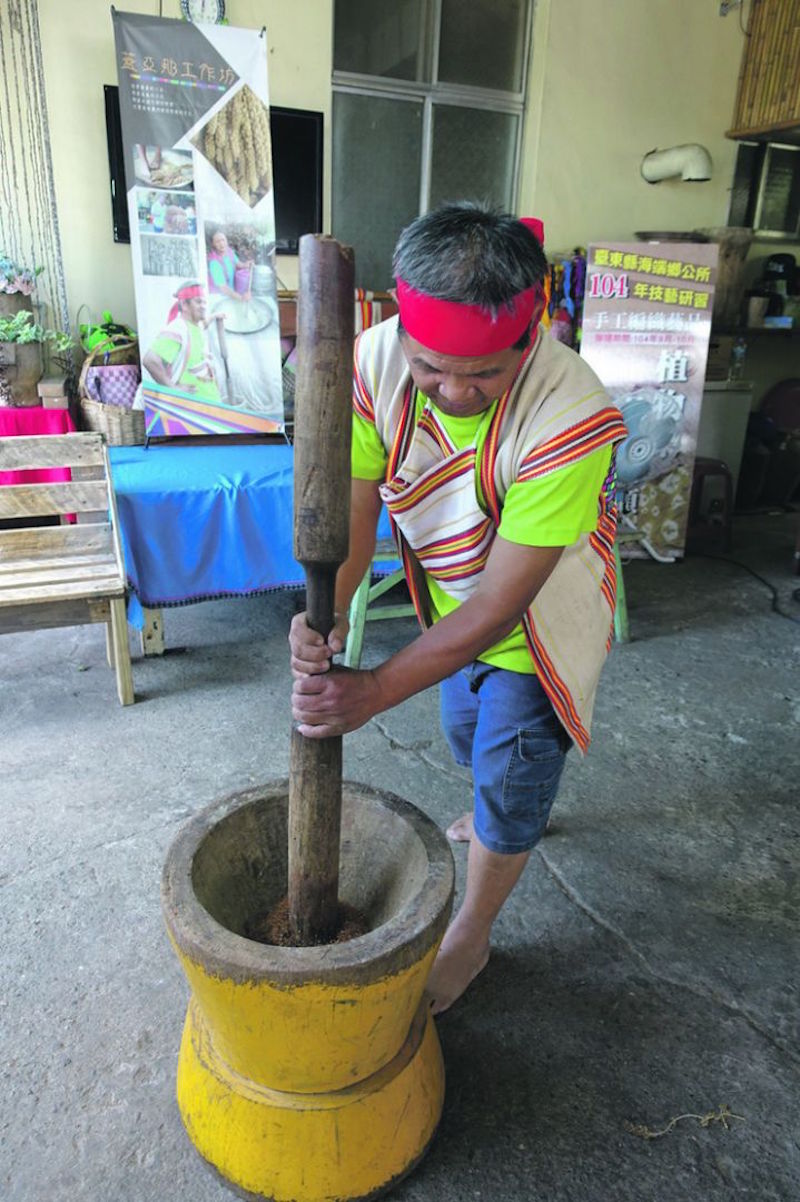
Down in Taitung, the Kuan-Shan Rice Country School gave us a crash course in all there was to know about rice (seriously). It arranges for visitors to try out activities such as the Kaiana tribe’s methods of preparing millet and sampling their indigenous cuisine.
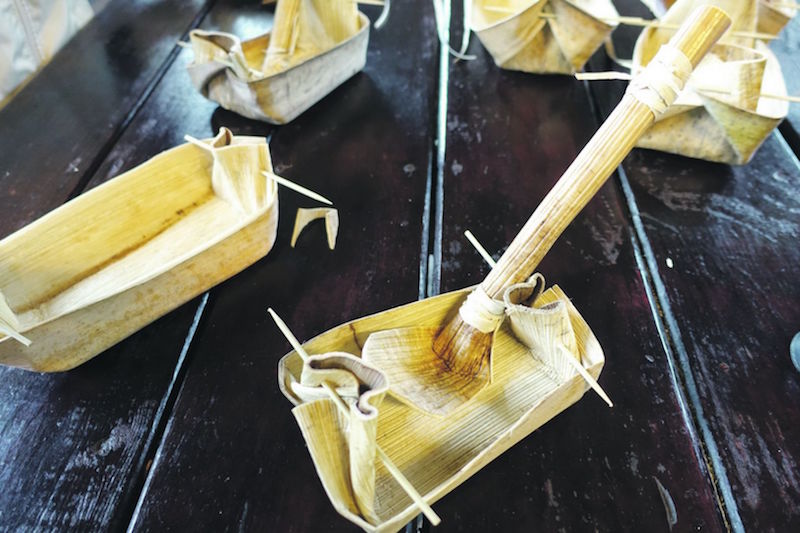
I had a go at pounding the millet and it was hard work (it gives extra meaning to the phrase “will work for food”). You have to hold the giant pestle a certain way and coordinate your movements with your partner in order not to send the grains flying all over the place. We eventually manage to turn it into a gooey mixture, which was actually pretty tasty when paired with pork dishes and homemade chilli.
After a string of activities, I looked forward to having a comfortable room to return to for some needed rest and I was not disappointed. The quality of accommodation at leisure farms offering homestay experiences was a very pleasant surprise. I’d expected small, cosy rooms with basic amenities, but felt like I got upgraded to first-class. Most of the rooms are spacious and comfortable, more like four- to five-star hotel rooms with a homely ambience, and are suitable for families looking for short getaways.
Shangri-La Leisure Farm in Yilan, in particular, had some pretty impressive rooms. I was housed at Song Luo Resort, which was just built in 2014, and the rooms were infused with the strong, refreshing scent of Taiwan Cypress from which all furniture was made. I could relax by the large bay window overlooking a vast expanse of green, contemplate the meaning of my existence and whether my cat was behaving himself at home.
As far as relaxing at farms goes, this was pretty close to luxurious.
Looking back, I gained deeper respect for the farmers’ hard work and was impressed by their perseverance in the face of adversity and changing times.
For example, Madam Wu Li Chu, the owner of Fairy Story, refused to give up on getting her farm certified organic despite the difficulties in doing so, because “I didn’t want people to laugh at me”.
Like many others, farmer Chu of Shin-Liu Farm also felt the need to take farming to the next level, so he started incorporating experiential, cultural, and educational and leisure aspects into traditional farming.
“Just as girls need make-up, so does the Taiwanese farm industry need better packaging,” he said.
The farmers were also happy to share their experiences of how they came to be in the business — a number of them, surprisingly, gave up their jobs in Taipei and other big cities and returned to the countryside because of a passion for the land — and equally happy to talk up fellow farmers in their area. The strong community ties that come forth in the way farms work together to make mutual use of agricultural resources to boost activity in any particular area was something I found quite touching and admirable.
Even as these farms get an upgrade, and activities become more sophisticated and tailored to the modern traveller, the good old kampung spirit seems to be well and alive in the green, green plains of Taiwan’s leisure farms.
Did you know…?
1. The Chinese Muslim Association, which represents the Taiwan Muslim community domestically and internationally, also takes part in helping leisure farms around Taiwan acquire the halal certificate so that Muslim tourists around the world can experience the local life and culture in Taiwan. Farms that are certified to offer halal meals include Chienhu Chuanchi Ecological farm in New Taipei City, Shangri-La Leisure Farm and Toucheng Leisure Farm in Yilan, TaiYi Ecological Farm and Forest 18 Leisure Farm in Nantou, ZhuoYe Cottage Farm in Miaoli and Long Yun Leisure Farm in Chiayi.
2. In 2013, around 30,000,000 Taiwanese visited leisure farms, according to statistics from Taiwan Leisure Farms Development Association. Cautious estimates pegged foreign visitors to be at around 400,000, including those from Hong Kong, Singapore, Malaysia and Japan. Around 60,000 to 80,000 Singaporeans have visited Taiwan’s leisure farms in recent years.
3. Taiwan is known as the ‘Kingdom of Fruits” as fresh fruits are available all year round, which means fruit picking is a common activity at leisure farms. While some fruits such as guava and tomato are available all year, others are more seasonal. In spring (February to April) you can expecct loquat, strawberry, mulberry, orange and Taiwanese plum; while summer (May to July) bears pineapple, longan, peach, lemon, lychee, mango, custard apple and pear. Autumn (August to October) offers grape, sweet persimmon, pomelo, orange and honey apple; while winter fruits (November to December) include jujube, kumquat, and bell fruit. — TODAY
* This trip was made possible by CTC Travel.