

NEW YORK, Sept 4 — Big tech shares edged higher yesterday, helping a benchmark world stock index post a sixth consecutive closing high, after a weak US jobs report likely pushed back the timetable for when the Federal Reserve reduces its massive support of the economy.
Labour Department data that showed wages increasing more than expected in August raised inflation fears and led longer-dated Treasury yields to jump, while gold advanced to a more than a 2-1/2-month high as the dollar eased.
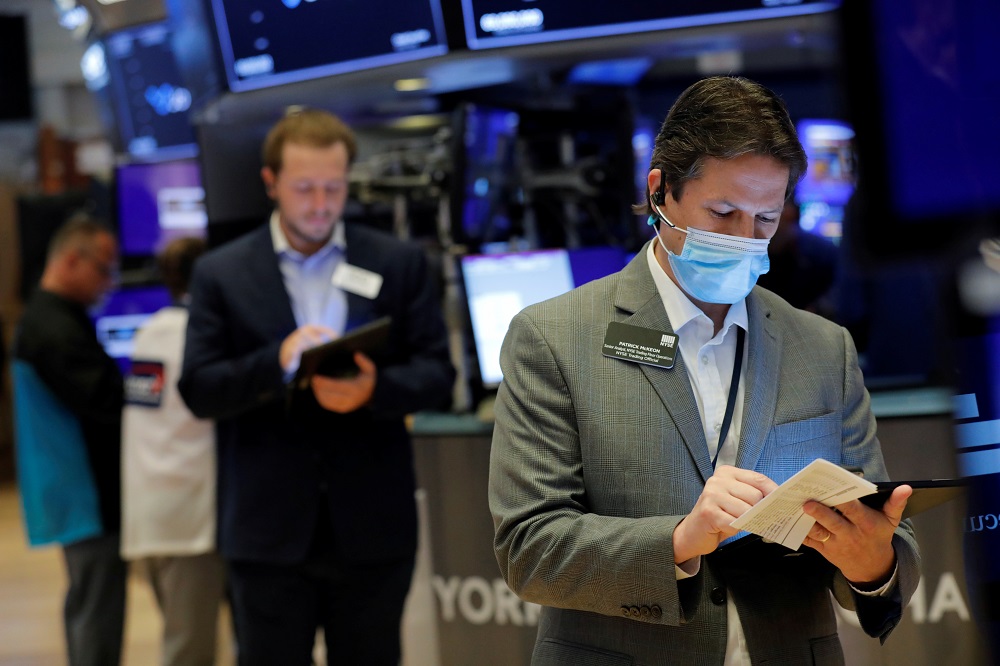
MSCI’s all-country world index, which is heavily weighted to big US tech, notched a new record as Apple Inc, Amazon.com Inc, Google parent Alphabet Inc and Facebook Inc advanced. The tech gains also helped the Nasdaq set a fresh closing high.
The Dow Industrials and S&P 500 fell as slower US jobs growth raised questions about the pace of the recovery. But a Fed taper announcement is off the table in September, said Lee Ferridge, North American head of multi-asset strategy at State Street Global Markets.
“Support from the Fed for these markets is going to persist. Taper starts later rather than sooner. That’s positive for equities, that’s positive for risk,” he said.
“As long as the Fed is printing, then that means that the equity markets are supported by the whole QE liquidity argument,” Ferridge said.
US employers created the fewest jobs in seven months in August as the Delta variant hurt the leisure and hospitality sector, but a 0.6 per cent increase in wages showed underlying strength in the economy, the jobs report showed.
Nonfarm payrolls increased by 235,000 in August, well short of the 728,000 forecast by economists in a Reuters poll. But the unemployment rate fell to 5.2 per cent from 5.4 per cent in July.
MSCI’s ACWI, which is 60 per cent US equities, rose 0.11 per cent to 746.46, while the Nasdaq gained 0.21 per cent.
The S&P 500 index edged 0.03 per cent lower and the Dow Jones Industrials fell 0.2 per cent. The broad STOXX Europe 600 index of pan-regional stocks closed down 0.56 per cent.
Euro zone business activity, meanwhile, remained strong last month, IHS Markit’s survey showed, suggesting the bloc’s economy could be back to pre-Covid-19 levels by year-end despite fears about the Delta variant.
The European Central Bank meets next week amid calls from several hawkish members to slow its pandemic-era asset purchase programme. A Reuters poll sees the bank announcing a cut to its asset purchases, given a recent spike in inflation.
Yields on the benchmark 10-year Treasury note rose 3 basis points to 1.324 per cent as the US labour report showed a jump in hourly earnings, a potential sign of future inflation.
The dollar index dropped to a low of 91.941, its lowest level since August 4, and was last down 0.09 per cent at 92.1320.
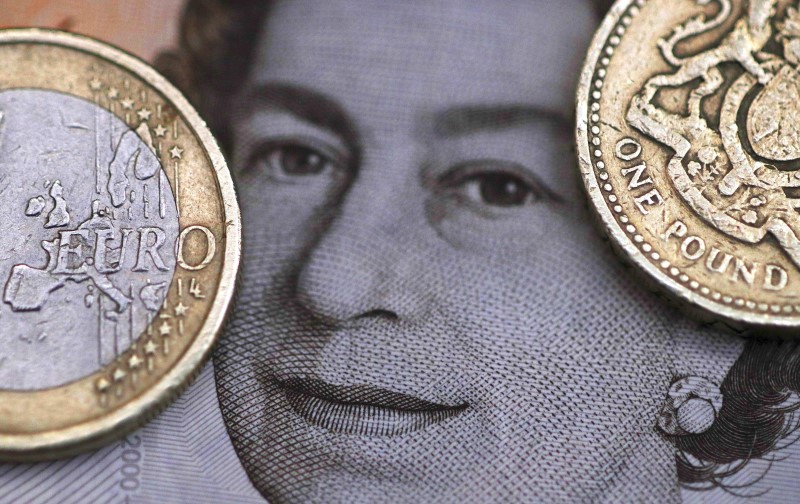
The euro traded flat at 1.1875. Markets are starting to react to the potential for more sustained euro zone inflation and reduced stimulus from the ECB.
The yen slid 0.19 per cent to 109.72.
Japan jumps, China eases
Japanese shares jumped after officials said Prime Minister Yoshihide Suga would step down, setting the stage for a new premier after a one-year tenure marred by an unpopular Covid-19 response and rapidly dwindling public support.
Japan’s TOPIX stock index rose to a 30-year high and was last up 1.61 per cent, with the Nikkei gaining 2 per cent. Asian shares are still off their peaks from earlier in the year however, and lagging those elsewhere.
Meanwhile, Chinese blue chips were down 0.5 per cent and Hong Kong was off 0.72 per cent after activity in China’s services sector slumped into sharp contraction in August, a private survey showed yesterday, hurt by restrictions imposed to curb the Delta variant.
Oil prices slipped on the US labour report showing a patchy recovery from the pandemic, but losses were capped by concerns US crude supply would continue to be limited in the wake of Hurricane Ida, which cut offshore US production.
Brent crude futures fell 42 cents to settle at US$72.61 (RM301.08) a barrel. US crude slid 70 cents to settle at US$69.29 a barrel.
Gold advanced more than 1 per cent to its highest in 2-1/2 months as weak US jobs growth drove the dollar lower and cast doubts on the Fed’s tapering timeline.
US gold futures settled 1.2 per cent higher at US$1,833.70 an ounce. — Reuters