


PETALING JAYA, March 26 — Malaysia’s federal government should look into non-governmental organisation DHRRA Malaysia’s five proposals to close legal loopholes and help the country’s stateless community, including those who have at least one Malaysian parent, the Selangor Speaker has said.
Selangor Speaker Lau Weng San said the Selangor state government could also look into how it could help the stateless community, if DHRRA Malaysia brings these proposals to the Selangor state legislative assembly.
“I think it should be given serious consideration by the government, especially the federal government.
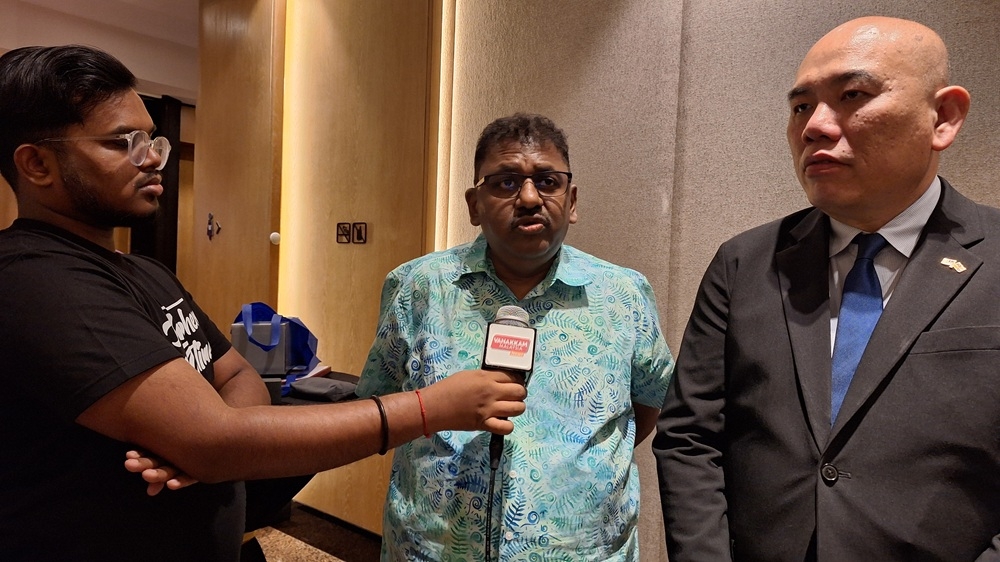
“And I think if they have proposed that officially to the federal government, I hope that there will be MPs who will be raising these issues at the federal Parliament. And I think the government after that should provide a response on these proposals,” he told reporters yesterday after attending DHRRA Malaysia’s fundraising dinner in conjunction with its 20th anniversary.
He, however, acknowledged that it could be possible that the federal government cannot implement all the proposals at this point, but said it should at least study these proposals and give a comprehensive response.
“What we want to do is the government should not sweep everything under the carpet. This is something that happened very, very often in the past. We don’t think this is the way of doing things in the current government. We should be open-minded with it. I think it can be given serious considerations,” he said.
“And there are things I’m sure that can be implemented early and immediately. For those that can be done immediately, I think the government should respond to it. And if at all there are things that they can’t do, they may be straightforward and tell us that there are things that they are unable to do,” he added, noting the possibility that more time and more resources may be needed for some proposals and that solutions can be found to overcome such challenges.
What are the five proposals?
Lau was responding to DHRRA Malaysia president Datuk S. Saravanan’s five proposals in his speech at the 20th anniversary dinner:
1. Enabling Malaysia-born children with Malaysian fathers to automatically be Malaysians too
Currently, children born in Malaysia cannot automatically become Malaysians, if their Malaysian father and non-Malaysian mother were not legally married when the child was born.
This is because the Federal Constitution currently results in children born out of wedlock having to follow their mother’s citizenship status, and DHRRA said the Malaysian government should let the children be citizens if either the mother or father are Malaysians.
Speaking to reporters, Saravanan said Malaysia and Barbados are the only two countries in the world where fathers still cannot pass on citizenship to their child.
DHRRA, which has helped resolve 25,112 stateless cases in these 20 years, said cases involving children born out of wedlock form the highest number of stateless cases that it receives.
2. Allowing stateless children who have passed the age limit to automatically get a citizenship application form
Currently, stateless persons in Malaysia below the age of 21 can apply for Malaysian citizenship under the Federal Constitution’s Article 15A, but this age limit will be changed to 18.
While those who are past this age limit are told they can apply for Malaysian citizenship under Article 19, Saravanan said the reality is that they might not be able to apply because they cannot even get the citizenship application form under Article 19 from the National Registration Department (NRD).
Saravanan said NRD would not automatically give the application form and would require stateless persons to write in to the home minister in order to get approval to get the form, noting however that few succeed in getting such forms.
“We are saying don’t give citizenship automatically, give them the form automatically. Let them apply, then you decide. You don’t want to give the form, how to resolve?” he asked, pointing to the need to at least give these children a pathway to apply.
3. Give automatic citizenship to adopted stateless children, if at least one of the adoptive parents is Malaysian
He said Malaysians who adopt children currently cannot pass on their citizenship automatically to the child, which he said is like “punishment” for the adoptive parents as they cannot do anything to help the child that they are caring for.
4. Education Ministry to abolish levies and give free textbooks to stateless children, if at least one of their biological or adoptive parents is Malaysian
Currently, stateless children who have a pending citizenship application are able to go to government schools, but cannot get free schooling and must pay an annual levy of RM120 for primary school or RM240 for secondary school, besides buying their own textbooks.
5. Government to consider giving healthcare discounts for stateless persons
“We are saying that health is a basic right for every human being,” he told reporters, saying that stateless persons should get at least 50 per cent discount — which is what refugees currently get in Malaysia.
Saravanan said he once received a phone call from a pregnant woman who went to a hospital to get treatment as her child had died before delivery, but was told she had to pay around RM6,000 as she is stateless and she had waited for hours until DHRRA intervened and had the bill reduced to RM700, which DHRRA paid.
In that case, the woman was awaiting a DNA test to prove she is a Malaysian, as her brother had been found.
He said DHRRA often gets calls from pregnant stateless women who face challenges accessing healthcare due to their lack of citizenship, and urged the Health Ministry to consider providing emergency treatment first to such women and resolve the bill later with the aid of lawmakers or NGOs such as DHRRA.
How Selangor might be able to help
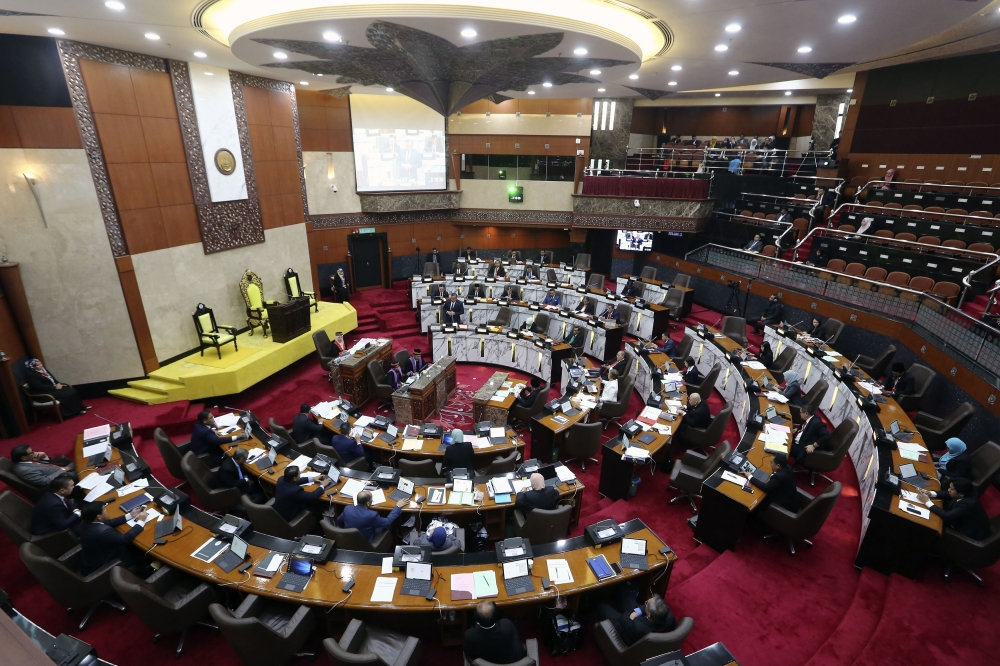
Lau noted the Selangor state legislative assembly has a special select committee called JPK-Sejahtera which could look into DHRRA Malaysia’s proposals, as the committee covers a wide range of issues including welfare, health, education, women and could also look at stateless issues.
“And we hope that DHRRA Malaysia may consider to make a representation to the committee, and to see what programme and also policy proposed by DHRRA Malaysia can be considered and debated and made into policies and also laws in the Selangor state legislative assembly,” he told reporters.
He said the JPK-Sejahtera could look into whether the Selangor state government could do anything to help “fill in the blanks at the state level” to help the stateless community.
“So, I think there are things that we can work together, even though issues on citizenship is under the federal government but there’s nothing to stop the state government from doing what we can help to do.
“In the past, of course we have MySel formed under state government to assist all those who are facing this issue, this unit is still around and I think there can be more work and efforts we can do to help overcome this issue,” he said.


