


KUALA LUMPUR, Jan 6 — After nearly five years of disrupted and adjusted school calendars following the Covid-19 pandemic, parents and teachers are welcoming the return of the January school start.
From 2026, schools nationwide will revert to beginning the academic year in January, ending years of late starts that stretched into March and disrupted household planning.
For Nur Aisyah Rahman, 41, who has three children in primary school, starting the school year in January makes financial planning far more manageable.
“Everything feels more structured. You come out of December knowing the school year is about to begin, so you can plan expenses properly instead of feeling rushed.
“When school started later, we were still spending on uniforms and supplies months into the year,” she told Malay Mail.
She also said that December year-end break allows them to spread out spending on school necessities such as uniforms, shoes, bags and stationery, rather than scrambling to prepare at short notice.
She added that basic school supplies for a primary school child typically cost between RM200 and RM300, depending on the school and grade level.
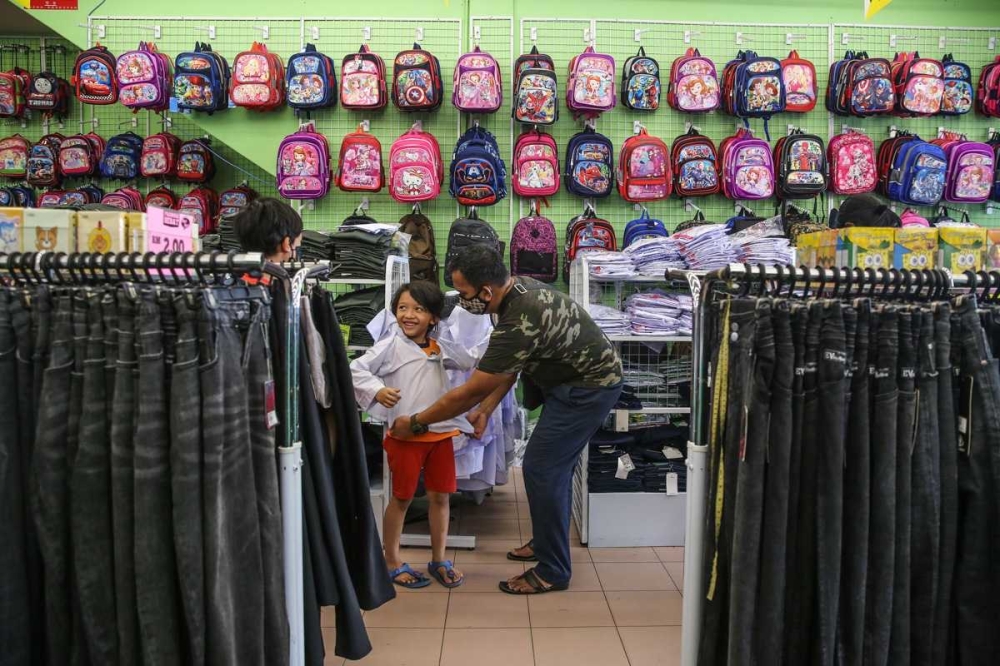
“When you have more than one child, it’s not small money, so when school starts in January, it helps because we can plan ahead after bonuses or savings from the end of the year,” she added.
Agreeing with Nur Aisyah, Ng Jun Shen said buying school supplies for his child for the first time made the start of the school year feel especially significant, as it marked a new routine for the family.
Ng said reopening schools in January worked better because it coincided with the beginning of a new calendar year, which helped families mentally and financially reset.
“I’ve already started preparing my daughter’s school things early. She’s seven this year, so I wanted to make sure nothing is left behind and that we don’t end up rushing at the last minute.
“I’ve also been getting teachers to come and teach her at home to help prepare her for school next year, so the transition will be easier for her when classes start in January,” he said.
He added that starting school in January also helped parents set expectations early, both for children and themselves.
For Ng, the issue ultimately went beyond dates on a calendar.
He said a January reopening signalled structure, consistency and a clearer sense of direction for families, especially those with young children adjusting to formal education for the first time.
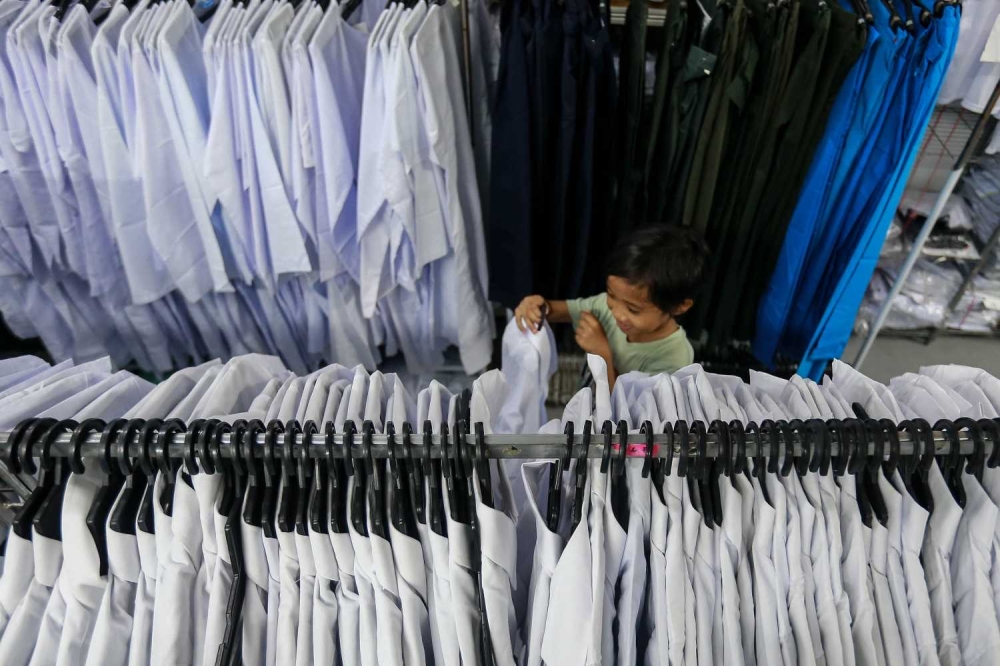
Also speaking to Malay Mail, Saraswathy Manogaran, a mother of a 10-year-old boy, said the January reopening felt smoother as families were already settling back into post-new-year routines.
She said that parents could manage work commitments alongside the end of the holiday period, while children transitioned naturally from leisure time back into structured learning.
“When school started later, it felt like the holidays were dragged out, and then suddenly everything started at once.
“I definitely feel less stressed with a January start. Before this, when school started in February or March, it felt like we were constantly waiting, and then once school was about to reopen, everything became very last minute. Now, even if I still buy things late, at least mentally I’m more prepared,” she said.
Wan Atiqah Fazzul, 28, who is a teacher in Bangi, said beginning the school year in January makes it easier to organise teaching schedules and school programmes in a more structured way.
She said post-pandemic delays, which pushed school terms to February or March, often resulted in shortened or merged holidays, leaving both teachers and students without adequate rest.

“When the school session starts at the beginning of the year, planning for the entire academic year becomes more systematic, whether it involves lessons, co-curricular activities, uniformed bodies, meetings or school programmes.
“There were term breaks that were meant to last two weeks but were reduced to just one week. This made it difficult for teachers and students to properly recharge,” she said.
She also explained that a January start was also seen as less confusing, as it avoids having to manage reports and planning documents that span two different calendar years.
Another teacher in Puchong, Farhah Iskandar, 30, said when the year begins at the start of the calendar, lessons, assessments and school events can all be scheduled from the outset.
This, she said, helps maintain a steady pace throughout the year.
“It also allows for better alignment with the academic curriculum, ensuring that students don’t miss key foundational concepts because everything is structured sequentially rather than being rushed or compressed later in the year.
“Later starts can feel disjointed, as students get used to staying home for an extended period, and teachers have to compress the curriculum or adjust schedules to catch up,” Farhah said.
She then added that preparing for the January term involves more than just drafting lesson plans and gathering teaching materials, as teachers also need to organise classroom layouts, review previous concepts with students, and set routines to ensure a smooth transition from holiday mode to school mode.
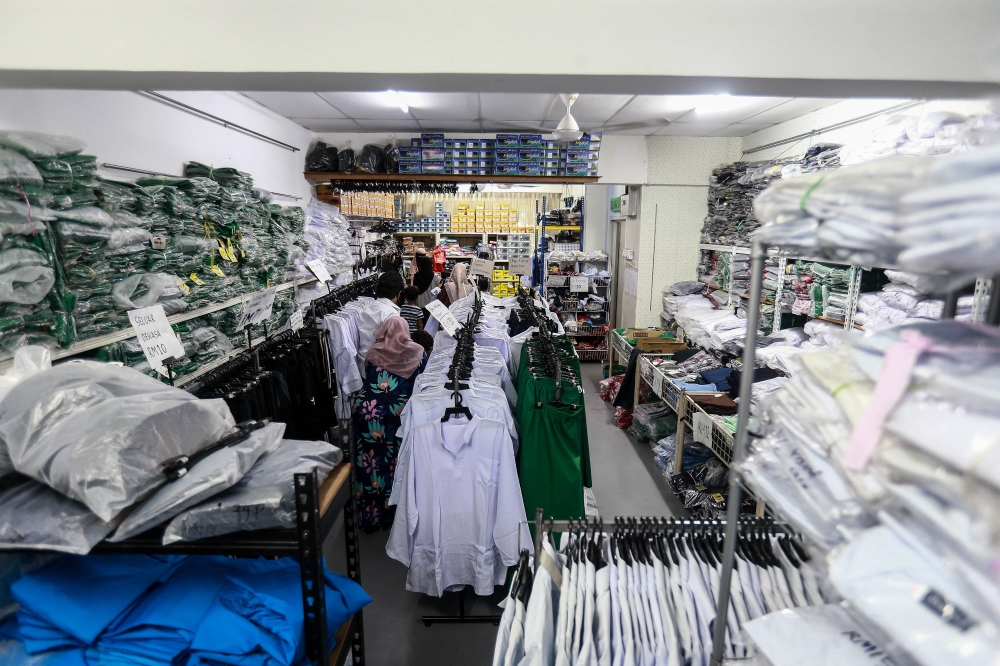
On the other hand, businesses have not seen a major impact from the January school reopening, as customers continue to visit stores for essential school supplies.
Siti, 40, a sales assistant at Little Giant Collections in Kuala Lumpur, said that purchasing patterns have remained largely unchanged, with parents still tending to shop close to the start of the school term rather than all at once, even with schools returning to a January start.
“To be honest, we don’t see a big difference whether school starts in January or later. Parents’ buying behaviour is still quite similar.
“Most of them still come close to the start of the school term. Even now, with schools starting in January again, customers are coming in slowly, not all at once,” she said.
She added that most parents tend to shop at the last minute, with the busiest periods falling in the final two weeks or even the last 10 days before school begins.
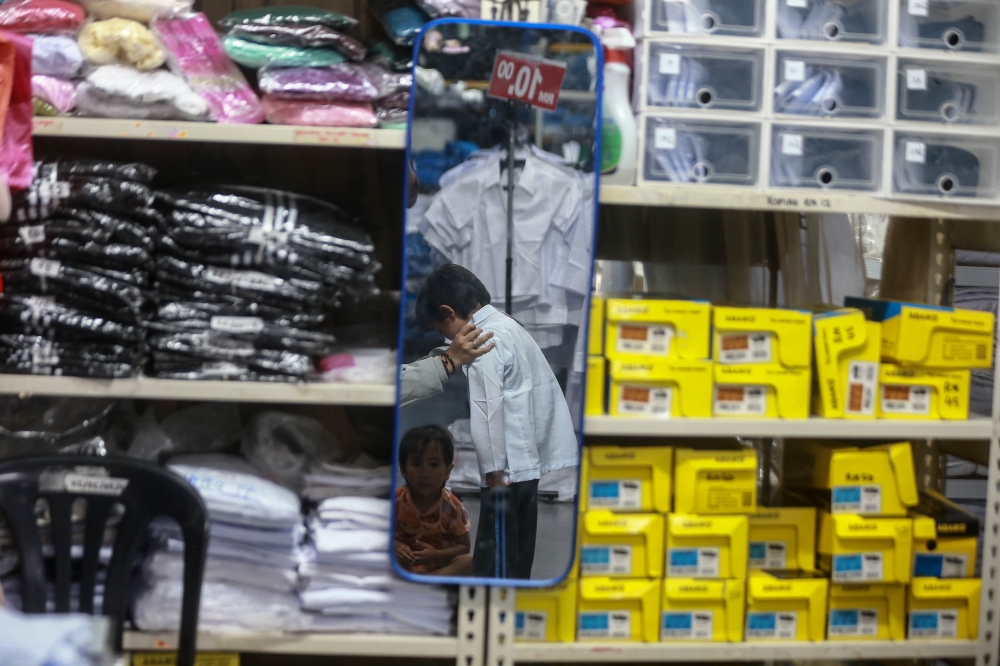
Similarly, at a store in Petaling Jaya called You Lin, a sales assistant who wished to remain anonymous said the January school start has encouraged some parents to plan purchases earlier.
However, he explained that it has not led to a significant spike in sales.
“I think the January start helps a little because parents tend to plan ahead. They often come in to ask about essential items first, then return later for extras like pencil cases or stationery.
“But overall, we haven’t seen a huge surge just because the school year begins in January. Customers still trickle in gradually rather than arriving all at once,” he said.


