


KUALA LUMPUR, Dec 15 — Seri Negara, the historic colonial mansion that was a silent witness to Malaysia’s journey to independence, will reopen its doors to the public on December 20 for the first time in six years, following a meticulous ten-month restoration.
Visitors will now have the chance to explore the beautifully restored building, its historical galleries, and cultural exhibitions, reconnecting with a pivotal piece of the nation’s heritage.
Built in 1913 and formerly known as the “King’s House,” the mansion served as an official guest house for visiting dignitaries, including Queen Elizabeth II.
More importantly, it was within these walls that the drafting of the Constitution of Malaya was discussed between 1955 and 1957, culminating in the signing of the Merdeka Agreement by the nine Malay Rulers.
Meticulous 10-month restoration
Spearheaded by Khazanah Nasional under its Warisan KL initiative, the restoration project was a race against time.
“Restoring a Category 1 heritage building is never easy and normally takes around two years,” said Khazanah’s managing director, Datuk Amirul Feisal Wan Zahir.
“Alhamdulillah, Seri Negara was completed in just 10 months.”
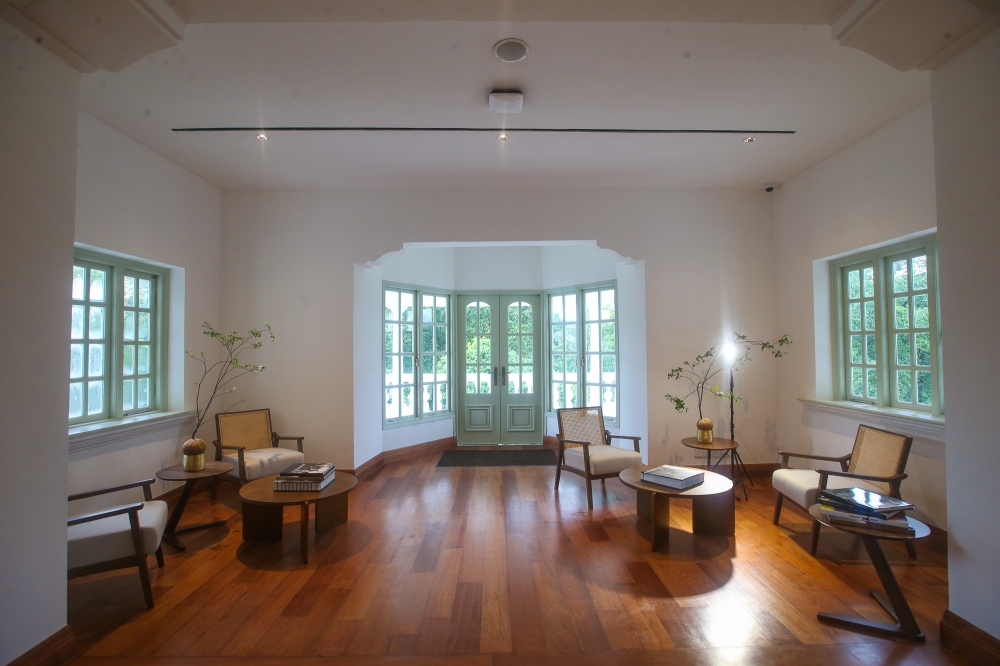
The work included preserving intricate colonial architectural features and, based on archival illustrations, repositioning the mansion’s grand wooden staircase to its original location after it had been moved during a previous incarnation as a hotel.
What to see and do
The heart of the new Seri Negara is its gallery, which celebrates Malaysia’s journey to nationhood across four themed exhibitions:
- Gallery 1 – The Walls Speak: This gallery sets the stage with a cinematic short film that brings the historical significance of Seri Negara to life, narrating the pivotal events that took place within its walls.
- Gallery 2 – People, Power, and Place: This exhibition delves into the complex social and political landscape of pre-independence Malaya, exploring the key figures and forces that shaped the nation's destiny.
- Gallery 3 – Witness to History: Here, visitors can get up close with key historical artifacts, including replicas of the Constitution of Malaya, and explore other important facts and documents related to the birth of the nation.
- Gallery 4 – Merdeka and Nationhood: The final gallery celebrates the achievement of independence and chronicles the subsequent journey of nation-building, showcasing the milestones that have defined modern Malaysia.
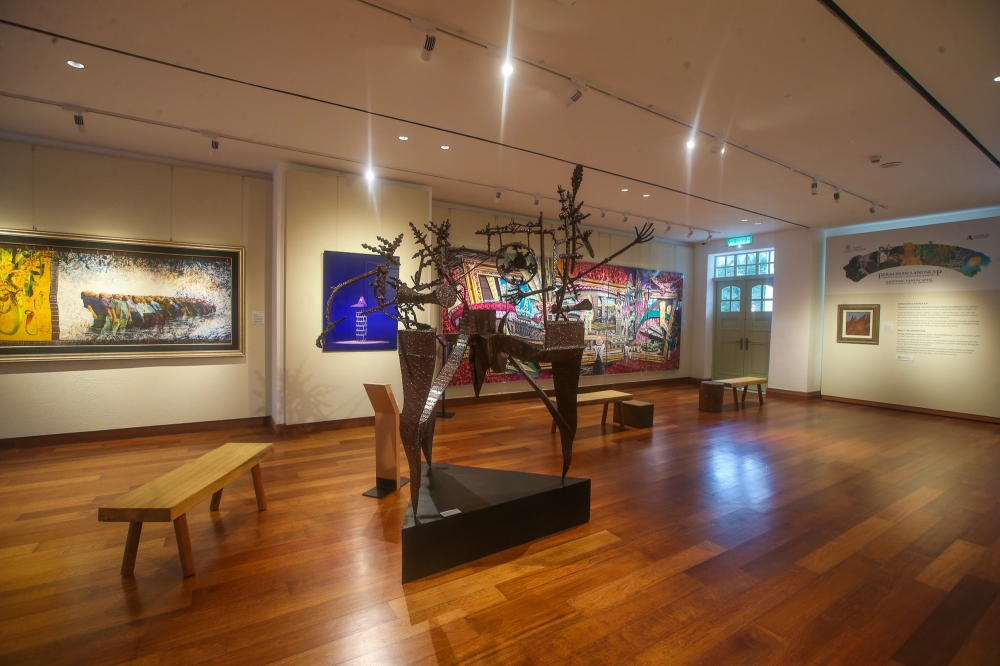
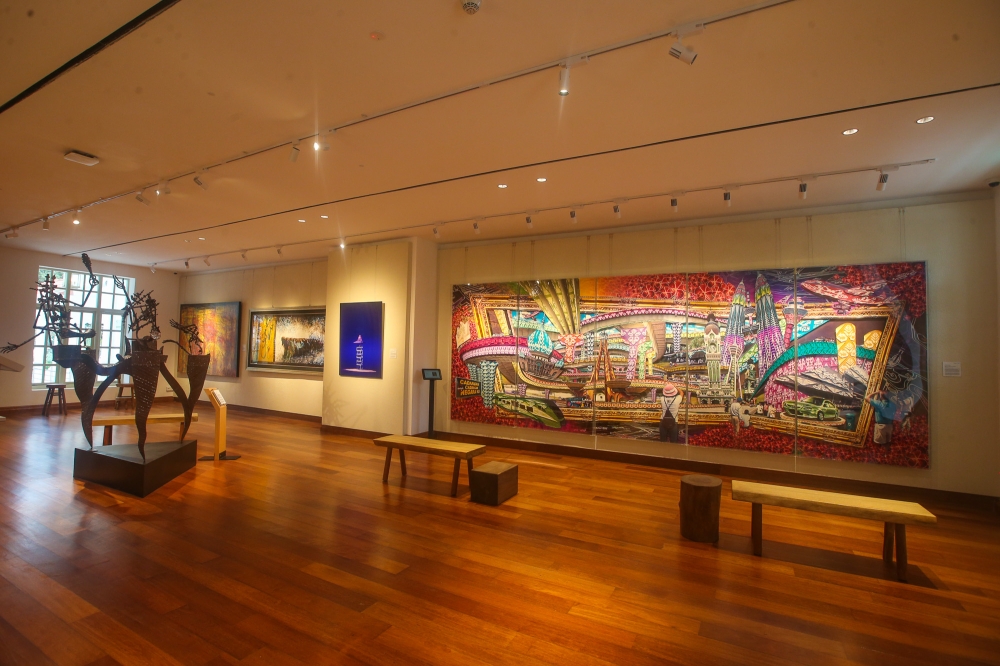
Visitors can also view 14 artworks from Khazanah’s collection, some dating back to 1960, and enjoy a nostalgic dining experience at the Semuka Cafe and Serai House.
Entry is currently free, but visitors must register for a time slot through the Sahabat Seri Negara programme at its website.
For some, the reopening is deeply personal.
Shahrul Hairi Mohd Sani, 53, was born at Seri Negara in 1972, where his father worked as a waiter.
He also exhibited his birth certificate, which lists “Istana Tetamu” (another name for Seri Negara) as his birthplace.
“It’s great that it’s been renewed. Children like us who grew up here can come and feel nostalgic because of the place we used to play.”


