


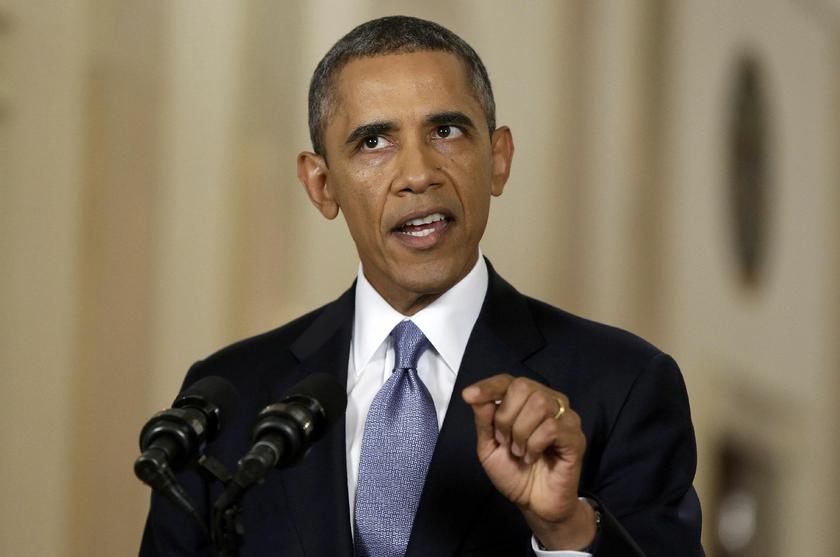


KUALA LUMPUR, Sept 24 — Putrajaya has pleaded with anti-TPPA groups to drop plans to organise a protest rally during US president Barack Obama’s scheduled visit to Kuala Lumpur on October 11.
International Trade and Industry Minister Datuk Seri Mustapa Mohamed said there is no reason for the groups to hold the protest as negotiations for the Trans-Pacific Partnership Agreement (TPPA) are far from settled.
“The prime minister has already said that Obama’s visit has nothing to do with the TPPA, as some have claimed that the TPPA will be signed during the visit,” he said during question time in Parliament.
“This planned demonstration should not go ahead, because we have yet to make a decision,” he added.
Two weeks earlier, anti-TPPA coalition Bantah declared that they are going to hold a demonstration at KLCC on October 11, when Obama is scheduled to attend the Global Entrepreneurship Summit 2013.
Coalition spokesperson Badrul Hisham Shaharin was reported as saying that the public must take a clear stand on the issue as they believe the government will sign the agreement in due course.
Mustapa today said that his ministry has been working hard to reach out to the public and explain the government’s rationale behind taking part in the TPPA talks, including hosting TPPA open days and meetings with stakeholders and NGOs.
“My doors are always open and I will continue to explain the situation, because this is a big issue and we cannot force Malaysians to agree to it... we need to convince them,” he said.
The minister said Malaysia could potentially benefit from the TPPA, just as it has from the 12 free trade agreements (FTA) it signed earlier with other partners over the years.
Taking the example of the Asean Free Trade Agreement (Afta), he said the six signatories of the agreement have since enjoyed total trade valued at some RM2.5 trillion.
“At 30 million, our market is small but through FTAs we open up trade to a much bigger market,” he said, referring to Malaysia’s population.
Mustapa added that Malaysia could end up losing out on competitive advantages afforded to signatories if it pulls out of the TPPA talks, such as tax breaks for exports, but assured that the government will not sell the country short.
“If we sign the TPPA, it will be according to terms set by our country. We do not bow down to any other country, and right now we are at a stage where nothing is finalised,” he said.
Various groups have launched vocal protests against Malaysia’s decision to participate in the 12-way TPPA negotiations.
Those opposed to the TPPA claim that it gives too much leverage to multi-national companies to muscle in on local business mainstays such as public procurement, while leaving much of the liability in the hands of the government.
Malay rights groups have also slammed the agreement over specific provisions that force the government to remove affirmative action policies that favour the majority Malay and Bumiputera communities.


