


TOKYO, Jan 7 — Japan’s Tamagotchi toys were a 1990s playground craze and the virtual pets that demand food and attention are still a hit among retro-loving Gen Z and nostalgic parents.
More than 100 million of the pocket-sized plastic eggs have been sold worldwide since their debut, manufacturer Bandai Namco says.
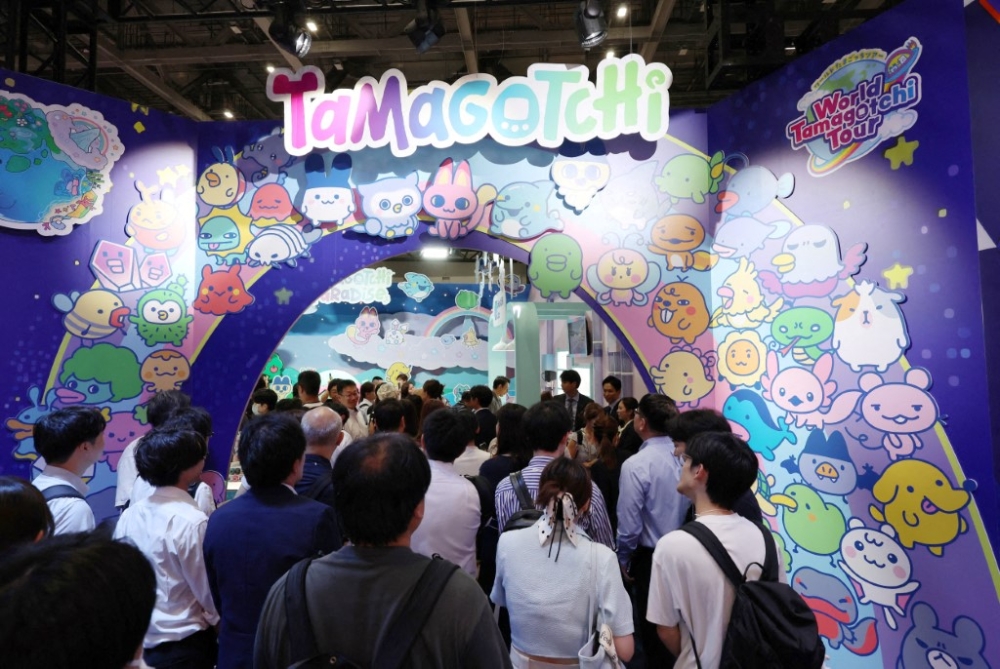
The company is showing off the Tamagotchi’s evolution from bouncing black-and-white pixelated characters to colour screens and Wifi connectivity at a special 30th anniversary exhibition that opens in Tokyo on Wednesday.
Swinging from keychains, the Tamagotchi — whose name is a portmanteau of the Japanese words for “egg” and “watch” — has become a popular fashion accessory among young people in recent years, according to Bandai.
Sales of Tamagotchi merchandise, not including video games, rose around sevenfold in five years from 2019, it says.
Rafaela Miranda Freire, a 15-year-old Brazilian tourist visiting Tokyo’s Harajuku shopping district with her mother, told AFP she didn’t own a Tamagotchi but liked the idea.
“It’s really nostalgic and cute. Like some 2000s cute aesthetic,” she said, admitting that some people her age “just don’t like it or think it’s childish”.
But old-school toys can be a healthy alternative to social media, Freire said.
“It’s good. You just get off the phone and appreciate the small things in life.”
Top toy
Last year British retailer Hamleys ranked the Tamagotchi in its list of the top 100 toys of all time, alongside the likes of Lego and the Rubik’s Cube.
The digital pets, which need attending to when they are hungry, sick or have defecated on the virtual floor, grow up as users care for them — but can die if they are neglected.
Entering the exhibition through a giant white egg, visitors can view various photo-friendly displays and a history room where they can play with some of the dozens of different models released over the years.
Nearly half of all Tamagotchi unit sales were in Japan, with 33 per cent in the Americas but just two percent in other Asia-Pacific countries, Bandai Namco says.
Harajuku shopper Yumeho Akita, 25, told AFP she had good memories of raising her Tamagotchi for several months during her childhood.
“I really wanted one, and I finally got one, so I cherished it and raised the character very carefully,” she recalled.
And some parents say they want their children to experience the same.
US screenwriter Justin Piasecki, on holiday in Japan, told AFP he had recently bought Tamagotchis for Christmas for his two daughters, aged four and six.
“They basically have a computer science degree in Tamagotchi at this point,” the 41-year-old told AFP. “I thought I would need to show them how to do it, but now they’re showing me.” — AFP


