


KUALA LUMPUR, Dec 23 — There is something quietly seductive about a non-stop flight. No transit lounges, no half-lived airport meals, no fluorescent-lit purgatory where time dissolves into duty-free aisles. Just one long, clean line drawn across the sky — from Kuala Lumpur straight into the far north of Japan. When the cabin doors finally open, Hokkaido does not ease you in. It hits you full in the chest with air so cold it feels medicinal. You breathe deeper. You stand taller. You are awake.
Sapporo announces itself immediately. This is not Tokyo’s polished restraint or Kyoto’s ceremonial grace. This is a city built by weather and appetite. Wide streets. Big skies. A place where winter isn’t endured — it’s embraced, fermented, grilled, ladled into bowls and glasses and served piping hot.
The journey matters more than people realise. Eight hours earlier, it was tropical humidity and late-night traffic. Now your breath fogs the air. That seamless transition — made possible by the only direct service linking Malaysia to Hokkaido, operated by AirAsia X — isn’t just convenience. It sets the tone. You arrive rested, hungry, and ready to consume a city that rewards exactly that mindset.
You begin, as all sensible journeys in Sapporo should, with beer.
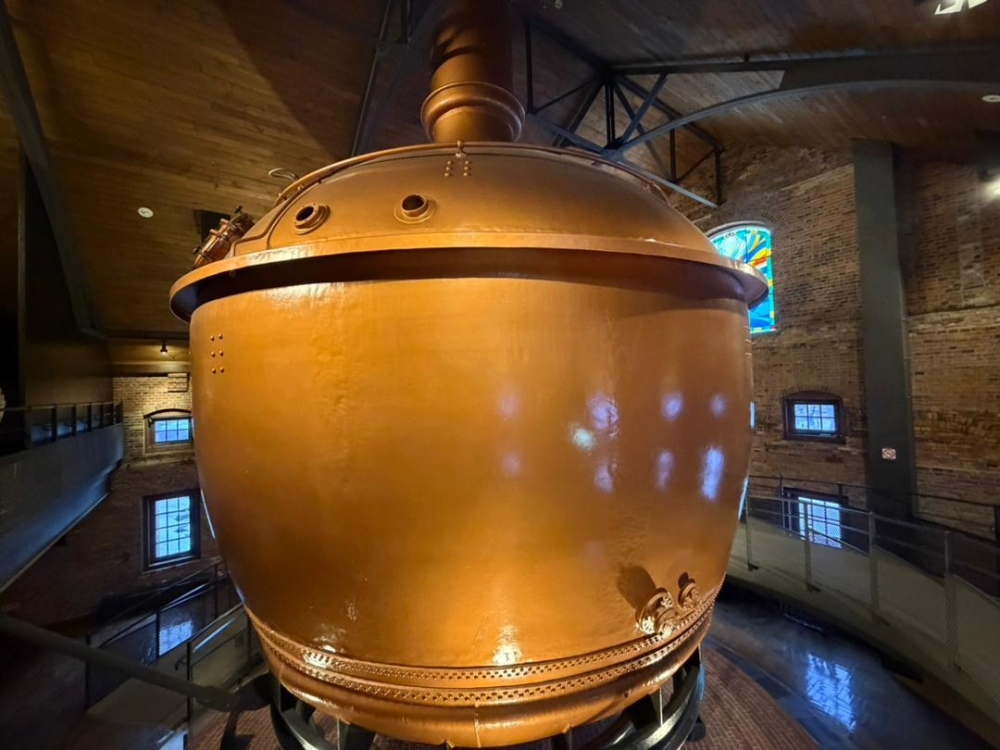
The red-brick halls of the Sapporo Beer Museum feel less like a museum and more like a declaration of intent. This is a city that understands pleasure as craftsmanship. The first glass lands cold and precise, foam sitting proudly, carbonation snapping like fresh snow under boots. One sip and the logic of this place clicks into focus: beer like this demands cold weather; cold weather demands food; and food, here, is taken very seriously.
Dinner escalates quickly.
Hokkaido crab arrives with no apology. Legs long and heavy, shells split open, steam rising like a warning. The flesh is sweet, clean, almost shockingly delicate for something that looks so formidable. You eat with your hands because anything else would feel dishonest. Butter drips. Fingers burn. Nobody talks much. Silence is the highest compliment.
Then comes the beef. Not sliced. Not trimmed. Shovelled.
This is meat with authority — thick slabs seared over fire, fat rendering noisily, juices running free. You don’t ask questions about provenance or marbling ratios. You trust the grill and the people behind it. Each bite is rich, unapologetic, grounding. This is food that doesn’t want to be photographed. It wants to be eaten.
Later, when the cold tightens its grip and the city glows under neon and snow, salvation comes in the form of miso ramen. Sapporo’s signature dish is not gentle comfort food — it is survival cuisine. The broth is dark and muscular, fermented miso layered with pork fat and garlic, steam rolling up to fog your glasses. Noodles fight back. You finish the bowl sweating, coat open, snow melting off your shoulders. It feels like winning a small, important battle.
But Sapporo is not just a city of indulgence; it is a threshold.
Step beyond the city and Hokkaido opens up into something vast and quietly humbling. National parks stretch wide, indifferent to human schedules. Waterfalls freeze mid-motion, caught in suspended animation like paused film reels. Forests hum with a silence so loud it presses against your ears. You are reminded, gently and clearly, that this island was wild long before it was hospitable.
There are moments of contrast too. A zoo on the outskirts sparks complicated feelings — fascinating, unsettling, impossible to ignore. Arctic animals move through snow with an ease that borders on poetry, perfectly built for conditions that would break us in minutes. You observe. You reflect. You move on.
At the fish markets, dawn smells of salt, steel, and urgency. Knives flash. Crates slam shut. Crabs still twitch. This is not a performance for tourists; it is a working ecosystem. At places like Nijo Market, breakfast might involve raw scallops so sweet they border on dessert, or uni spooned straight from shell to mouth. You eat standing up, coat zipped tight, grateful for the cold that keeps everything honest.
Then there are the side trips — the moments when Hokkaido shows its softer, stranger colours. The surreal turquoise stillness of the Shirogane Blue Pond looks almost artificial, as if someone turned the saturation knob too far. Snow-dusted hills roll endlessly. Steam rises from hidden springs. Every turn of the road feels like an invitation to slow down.
By the time you return to Sapporo for one last night, you understand the rhythm of the place. Early mornings. Heavy meals. Long evenings. This is a city that rewards commitment. It asks you to dress warmly, eat boldly, and surrender to winter rather than fight it.
And when it is time to leave — when you’re back at the airport watching snow fall lazily beyond the glass — there is a strange sense of disbelief. Less than a day ago, this felt impossibly far from Southeast Asia. Now it feels oddly connected, stitched together by a single uninterrupted flight path and the kind of travel decision that prioritises experience over inconvenience.
Sapporo does not try to impress you with polish. It wins you over with substance. With food that warms you from the inside out. With landscapes that recalibrate your sense of scale. With a winter that feels alive rather than hostile.
Sometimes, the journey matters as much as the destination. When you can leave Kuala Lumpur and arrive directly into snow, beer, crab, and silence — without detours or dilution — the story begins the moment the wheels lift off the runway. And for now, that clean line through the sky exists as a daily, non-stop link, making Japan’s wild north feel not closer, but more attainable — exactly as it should be.
How to get there: AirAsia X operates direct daily flights between Kuala Lumpur and Sapporo.


