


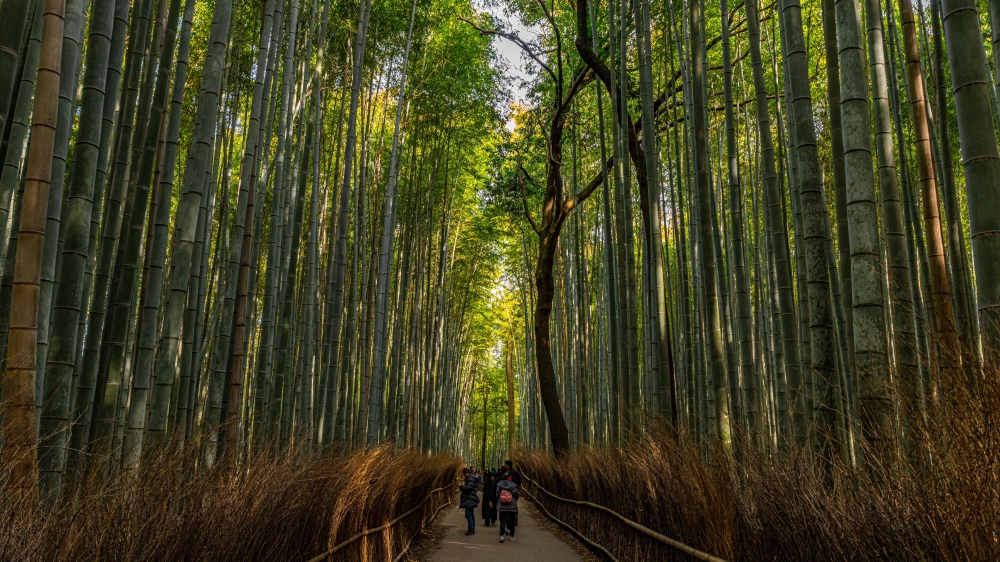
KYOTO, Oct 22 — Kyoto’s iconic Arashiyama Bamboo Forest — a place once defined by its serenity — is now marred by hundreds of carvings left by visitors.
According to a recent inspection reported by Tokyo Weekender, at least 350 bamboo stalks have been defaced with initials, messages and symbols etched by knives and keys.
The damage, officials say, isn’t just cosmetic.
Deep carvings can cause bamboo stalks to rot and collapse, permanently scarring one of Japan’s most photographed sites.
“Once carved, the scars on bamboo will remain visible for the rest of the plant’s life,” authorities noted, warning that the etchings accelerate decay and disrupt the grove’s natural harmony.
Most of the graffiti was written in Roman letters, though inspectors also found Japanese, Chinese and Korean scripts — suggesting that the vandalism spans multiple nationalities.
In response, city officials are weighing whether to cut down the most severely damaged stalks for safety reasons, while volunteers have tried to cover the carvings with green tape.
This isn’t the first time Arashiyama has faced such defacement.
A similar wave of vandalism in 2018 prompted local residents and monks from nearby Tenryuji Temple to launch a campaign to protect the grove.
Those efforts — coupled with a sharp fall in visitor numbers during the pandemic — temporarily curbed the problem.
But with tourism rebounding, so too has the damage.
The term “meiwaku tourism,” meaning nuisance behaviour, has re-entered the local lexicon as Kyoto once again grapples with overtourism.
Across Japan, authorities are confronting similar acts — from tourists climbing sacred gates to drunken visitors damaging temples — fuelling resentment among residents and calls for stronger regulations.
The Kyoto City Tourism Association has urged visitors to show restraint and cultural sensitivity.
As Tokyo Weekender noted, “foreigners with common sense, who unfortunately will receive the backlash of rising anti-tourism sentiment,” are now caught in the fallout of what many locals see as a troubling erosion of respect for Japan’s heritage.


