


KUALA LUMPUR, Oct 20 — From ushering in the new year to marking historic moments, celebrations across all cultures usually peak with noisy firecrackers and fireworks.
Apart from merry-making though, what else do they signify?
For the Hindus, it is actually a traditional ritual that caps off their ancestors’ annual sojourn on Earth and celebrates their return journey to the heavens.
Let’s first take a look first at the Mahalaya paksha — the fortnight dedicated to worshipping ancestors — which precedes Deepavali.
What is the ‘Mahalaya paksha’?
One month before Deepavali, Hindus dedicate a two-week period called Mahalaya paksha to worship their ancestors.
The fortnight usually occurs during the waning phase of the moon and takes place between September and October every year.
Interestingly, the Mahalaya paksha began this year just a day after the month-long Hungry Ghost Festival — observed by Chinese communities worldwide — which ended on September 6.
During this period, the departed ancestors are said to descend to Earth to receive offerings from their descendants.
The two-week period culminates on a new moon day called the Mahalaya Amavasai, during which Hindus offer tarpanam and pindam to their ancestors.
Tarpanam refers to offerings in the form of water and gingelly oil while pindam refers to cooked rice balls mixed with ghee and black sesame seeds.
While performing the ritual is said to bestow various benefits, the true intention behind it is to remember our roots and to thank our ancestors for preserving the beliefs and traits that we inherited from them.
So, how does this tie up with Deepavali?
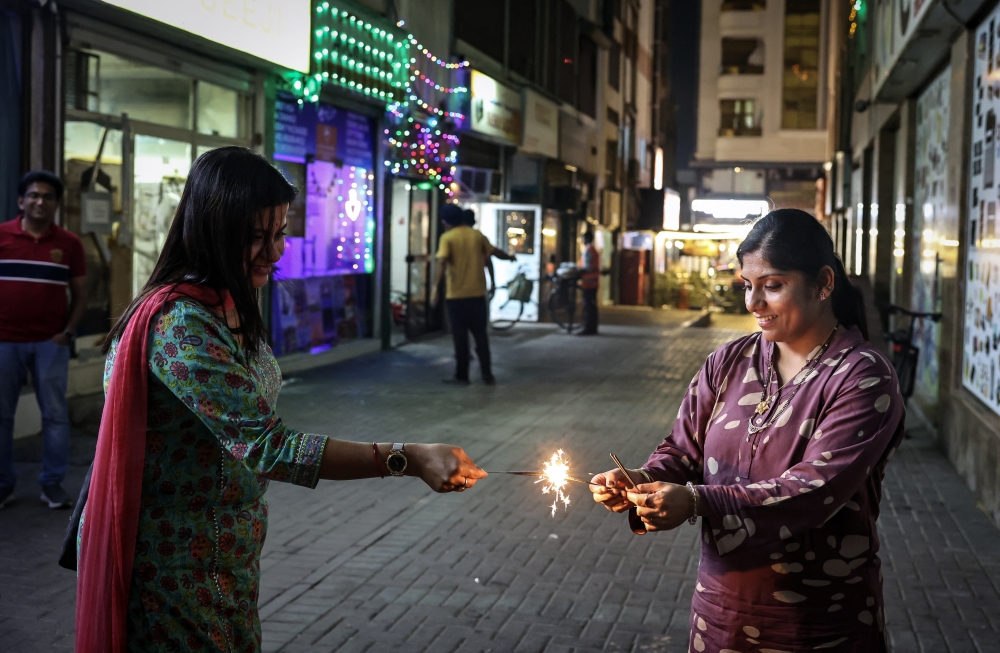
Deepavali marks the farewell for the departed ancestors that came during the Mahalaya paksha.
In fact, Tamil households customarily pray to their ancestors by offering a padaiyal — comprising the favourite dishes and beverage items of their deceased family members — on the eve of Deepavali.
But Deepavali is also the darkest night of the month as it typically falls on a new moon day.
So, several scriptures such as the Skanda Purana and the Kartika Mahatmya require Hindus to light up the skies and illuminate the path that leads them back to the heavens.
One practice is called ulka danam, in which Hindus hold sparklers in their hands to bid goodbye to their ancestors on Deepavali day.
Another custom is called akasha-deepam, in which Hindus light up the skies with aerial fireworks.
So, this Deepavali when fireworks light up the sky you know it isn’t just about having fun.


