


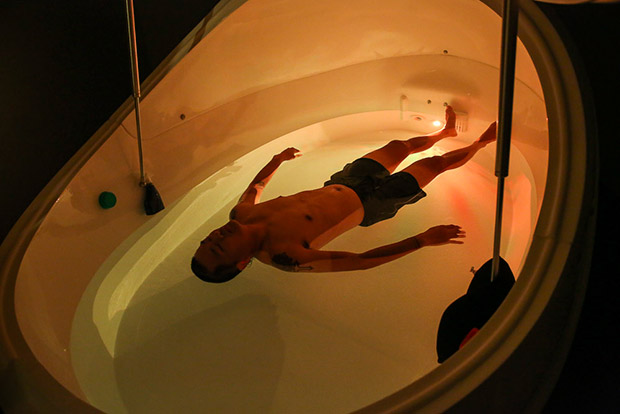


KUALA LUMPUR, July 23 — I feel weightless, as if I have defied gravity. The water feels contrastingly dense, supporting me with its high salinity that’s imparted by 500 kilograms of food grade Epsom salt — that’s a staggering 1,333 boxes.
For 60 minutes, I floated in the stillness and solitude. The water, set to skin temperature or about 34.5°C, drapes over me like a silk blanket.
Several times, I had to remind myself that I wasn’t lounging in the comfort of my own bed but cocooned inside a flotation tank called Dreampod.
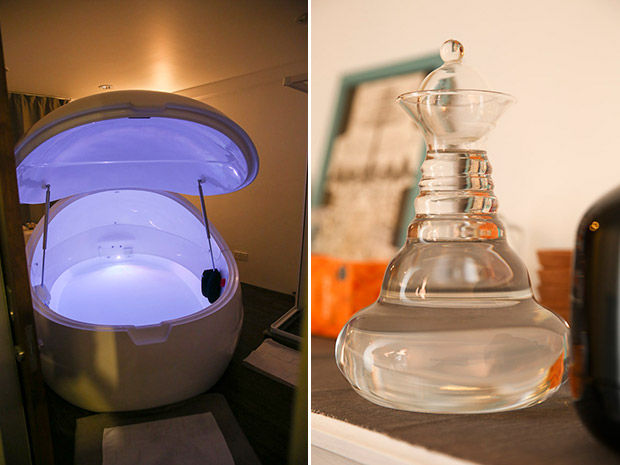
Sleek, futuristic-looking and bathed in an ethereal light that changes colour ever so often, the whole setting is highly conducive for deep relaxation, which is a key objective of flotation therapy, also known as sensory deprivation or REST (Restricted Environment Stimulation Therapy).
The monikers say it all: This form of therapy involves you floating inside a darkened tank filled with Epsom-rich water for an hour, in silence and completely devoid of the usual stimuli.
Think of floating as a form of purification for the body, mind, and senses that will leave you calm, peaceful and refreshed.
At the same time, you reap the benefits of magnesium and sulphate that are in the salt. The former is an essential mineral that helps regulate an extensive list of body functions and is best absorbed through the skin. Sulphate, on the other hand, promotes detoxification.
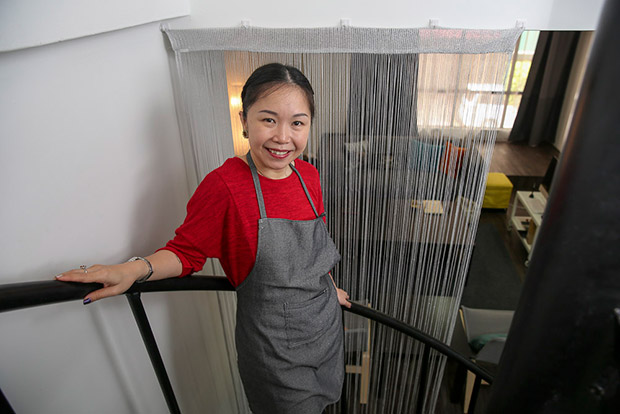
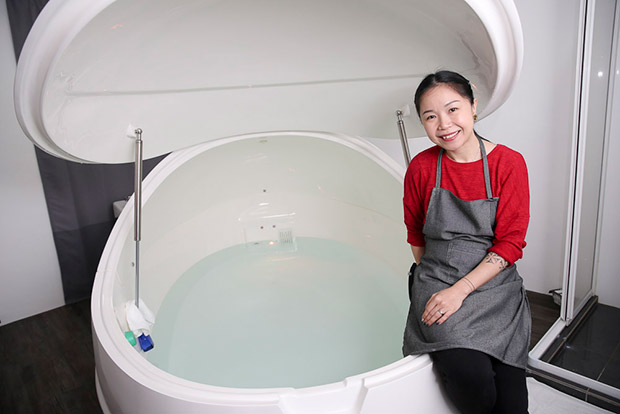
You may not feel the results immediately, however. “I recommend first-time floaters try at least three sessions to get the full experience,” says Melissa Ng, owner of Zero Gravity at Plaza Damas, the first dedicated float centre in the Klang Valley that opened this past April.
In Penang, however, there is a float centre that has been operating for a year now. “That’s because it takes a while for the body and mind to adjust to the sensation.”
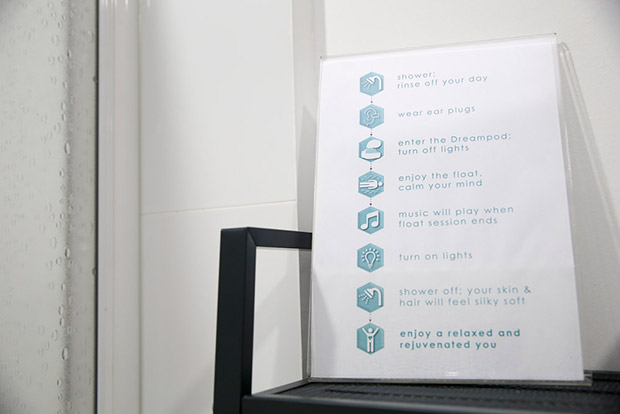
It’s no sales pitch; my experience verified what she said. My first float was a little awkward as I cautiously explored the unfamiliar elements. Even though Melissa had explained every step and precaution to me, I couldn’t help the questions that raced through my mind.
What if I can’t stay afloat, what if the water gets in my eyes, what if I get stuck inside the pod? Truth be told, it’s much harder to relax and do nothing than it is to be multi-tasking, with phone in hand.
By the second session, I found it easier to relax and knew how I wanted the experience customised to my preference: Music throughout (alternatively, only during the first 10 minutes), pod open (feel free to have it closed), and the lights off.
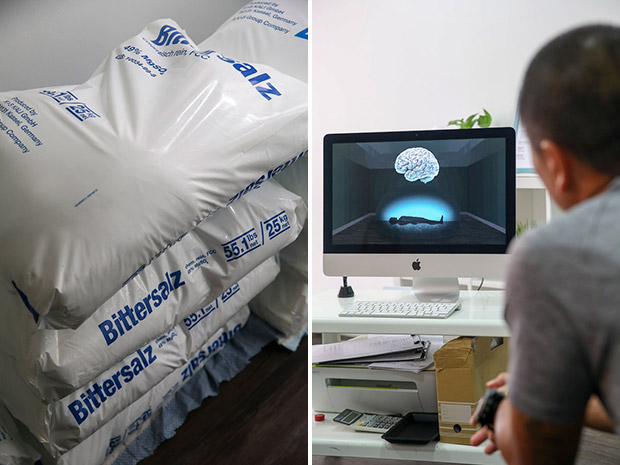
“There’s no right or wrong way to float,” Melissa assures me. “As long as you’re comfortable... you also don’t have to stay in the pod for a full 60 minutes, feel free to step out as and when you feel you’ve had enough.”
About five minutes prior, a pre-set message will inform you that your time is nearly up. And once it hits the one-hour mark, the pod automatically goes into filtration mode for about 20 minutes, cleansing away impurities in preparation for the next usage.
The micron filters can pick out fine, minute materials up to one-tenth of a hair.
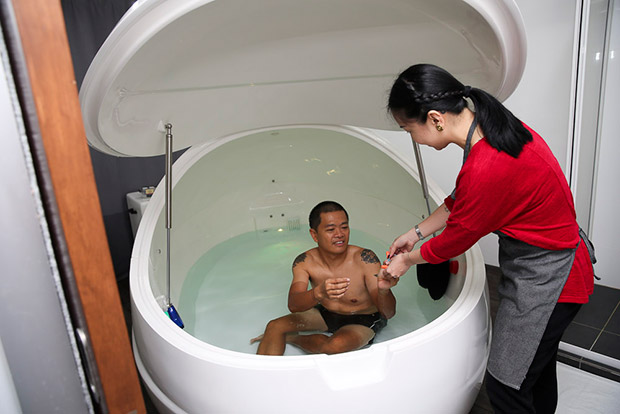
At my third float, I already felt like a seasoned floater. Relaxation came almost instantly and I relished having an hour completely to myself, uninterrupted by emails, messages and digital notifications.
Melissa had mentioned that the more one floats, the shorter the sessions feel and I finally got what she meant. I didn’t get into a meditative state or slip into slumber, but hovered between the two.
This deeply relaxed state stayed with me well after the float had ended and that, Melissa tells me, is termed the “post-float glow.” The mind is calm and clear, and you’re enveloped in mellowness. That is one of the intended effects, which is why floating is a great stress buster.
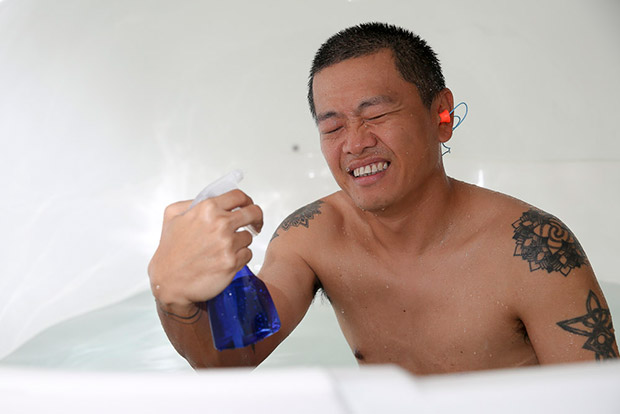
Hours after each float, that tranquillity tapers into sleepiness, leading me to take naps. This too, Melissa assures me, is a good sign as the body is detoxing and hence, you should rest as much as possible, drink tons of water, and stay away from caffeine as it will drain away the magnesium.
Despite the naps, I had no trouble falling asleep at night and woke up refreshed.
Who would have thought that such a simple act of floating in salted water could have such far-reaching benefits? It was Dr John Cunningham Reilly, an American neuroscientist, who first invented the isolation tank to study the effects of sensory deprivation on the human mind.
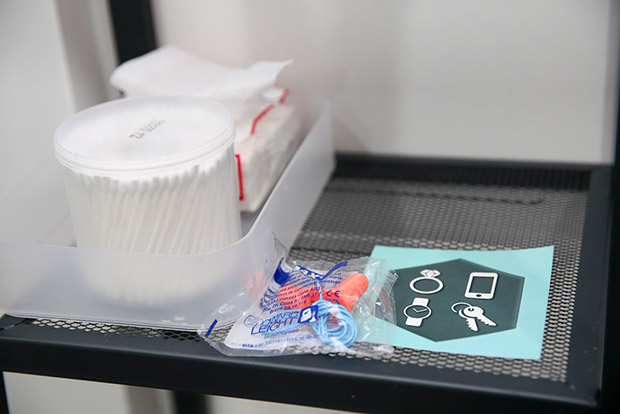
After just 20 minutes in the pod, your brain waves drop to the alpha or beta state, triggering cell repair and regeneration and inducing the parasympathetic nervous system.
This is the body’s “rest and digest” response (as opposed to our “fight or flight” reflex), which enables maintenance and balance of various functions.
Among many things, it strengthens the immunity, balances hormones, boosts the release of digestive enzymes, and has been used to help curb addictions to smoking, drugs, alcohol and overeating.
Flotation therapy also aids muscle recovery by reducing lactic acid and adrenaline so unsurprisingly, it has found a legion of fans among professional athletes the likes of Wayne Rooney, Carl Lewis, basketball team Golden State Warriors and American football team The Dallas Cowboys.
For Melissa, who floats about twice a week, it gives her better clarity which helps her plan her work better. The former nail artist first became intrigued with flotation therapy when David Asprey, the creator of bulletproof coffee who is known for his biochemistry hacks, posted about his Dreampod and spoke about the benefits of floating.
Melissa began researching and found that there was a centre in Bangkok, Thailand. She planned a trip to the City of Angels and did three floats in as many days.
“It was love at first float,” she recalls with a smile. “I experienced that post-float glow after my maiden session, and the sensation stayed with me for a while.” So much so, she found that she could handle travelling with her mother and aunt without the usual stress.
“I felt an inner calm... external factors had no impact on that wonderful feeling.” Six months after that first float, she began planning ZeroGravity. “I was in the service industry for 12 years, as a hairdresser and then a nail artist.
“The most common gripe I used to hear from my clients was that they were stressed, and all they wanted was a good night’s sleep,” Melissa reveals. “I thought it’d be great if I can help.”
She was also dealing with adrenal fatigue at the time, brought on by long periods of stress that led to appetite loss, difficulty sleeping, waking up in the middle of the night and general tiredness. In short, the body was shutting down.
“Some people call it a breakdown, and it’s quite common. The key is in identifying the triggers and catching them when they occur,” Melissa shares. Floating did not entirely eradicate the symptoms but she found that it enabled her to cope better as it helped her deal with the stress.
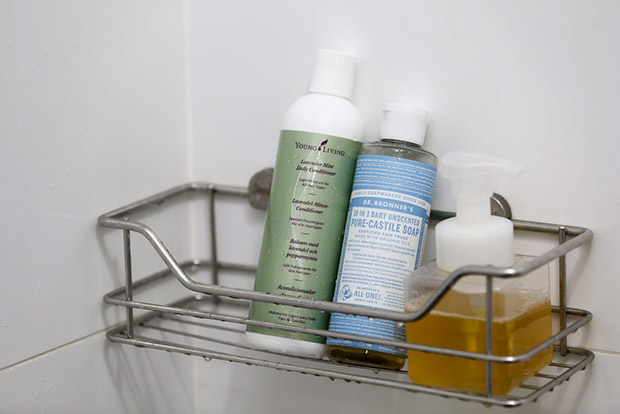
It’s also aligned with her interest in living a natural, wholesome lifestyle that she has incorporated into thoughtful details at her centre. In the shower cubicles, she provides chemical-free, eco-friendly toiletries by Young Living and Dr Bronner’s.
After your float, you can sip Pukka organic teas. Even the drinking water has additional benefits as it’s stored in a mouthblown carafe made from lead-free glass that, thanks to its unique curves, energises the liquid to enhance its taste.
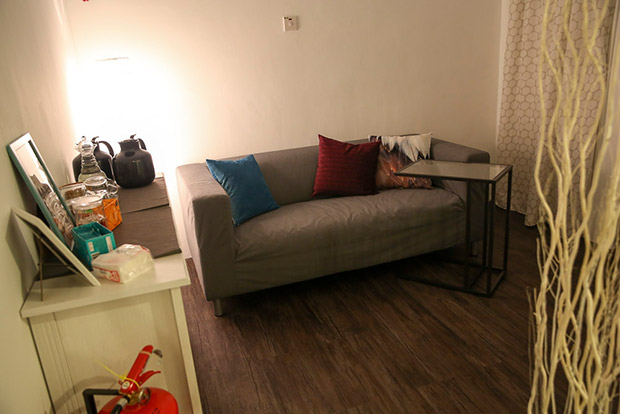
ZeroGravity’s restful environment will make you want to stay all day and bask in that post-float glow. In fact, there’s no limit as to how long you can float (though you are charged by every 60-minute session) as there are no adverse effects on the body, and children as young as 10 can start floating.
In countries where flotation therapy is well established, there are centres that offer not only pods but also pools, and some even do overnight floats!
Besides sharing her love for floating and spreading awareness on its benefits through ZeroGravity, Melissa also wants to do her bit for society. “To me, that’s very important. That is why I introduced Community Hours, at special prices. It’s meant for those who really need a float but have financial difficulties,” she explains. “I hope that flotation can add value to their lives.”
ZeroGravity Float Centre
is at D-1-12, Plaza Damas,
Jalan Sri Hartamas,
Kuala Lumpur
Tel 010 209 6565
Opens 10am-7pm, Tuesday-Sunday; closed Mondays
Prices RM220 (60 minutes); new customers can enjoy the RM110 First Float Special
Community Hours RM160, 10am & 4pm on Tuesdays, Wednesdays and Thursdays; you must book 7 days in advance
Vivian Chong is a freelance writer-editor and founder of thisbunnyhops.com


