


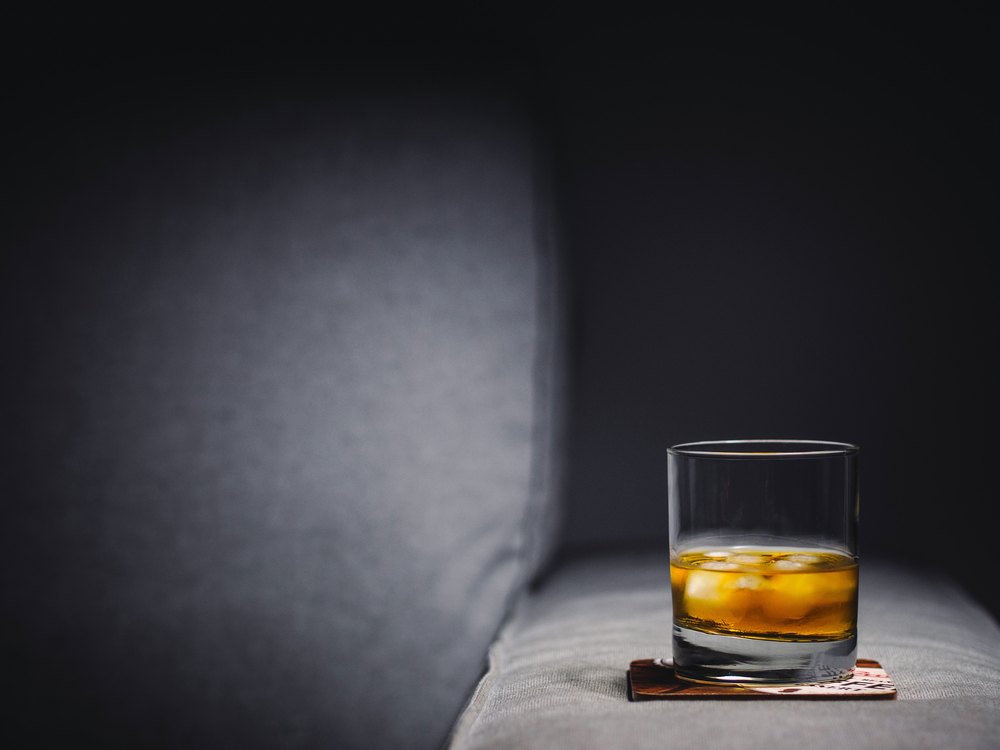
KUALA LUMPUR, July 23 — From the highlands of Scotland to the southern reaches of Australia by way of India, there is a whisky made to quench every thirst.
Whisky’s journey began some 1,000 years go as travelling monks from mainland Europe took the drink to Scotland and Ireland where the friars perfected fermenting grain mash, as the islands lacked vineyards.
Loosely translated from the Scottish Gaelic term uisge-beatha meaning “water of life,” the source of a distiller’s water is crucial to optimise the whisky flavour. To be considered a Scotch whisky, the product must be distilled in Scotland only from grains, yeast and pure water, and aged for at last three years (though many are aged considerably longer).
What differentiates the various whiskies are the grains used, the process, the type of cask it’s aged in and the duration of its maturity.
With wine, the year the grapes are picked determines its vintage while the age of a whisky (the number on the bottle) refers to the time spent ageing in a cask.
Once bottled, the drink stops maturing — so don’t think that 21-year-old bottle of Royal Salute you have hidden under your bed is gaining value — so go ahead and have it now.
Did you know whisky is beer refined without hops? It is only when the distillation process comes into play, turning the mash of fermented grain, yeast, and water into spirits, that beer turns to whisky, just as wine is distilled into brandy.
Freshly distilled whisky also has no colour; the spirit that goes into the cask for ageing starts out completely clear. Up to 100 per cent of the hue and 60 per cent of the flavour of the finished product come from the ageing process in the precious barrels.
The whisky that evaporates while in the barrel is dubbed “angels’ share”; the fumes head to the heavens for the angels to taste it first. In Scotland, it’s about two per cent per year that goes to the angels. In warmer climates like Taiwan, however, it’s as much as 12 per cent!
Other whiskies include:
Bourbon, which is the other great thing to come out of Kentucky. It differs from the European kind of whisky in that it is made up of 51 per cent corn plus malt and grain and it’s spelled whiskey.
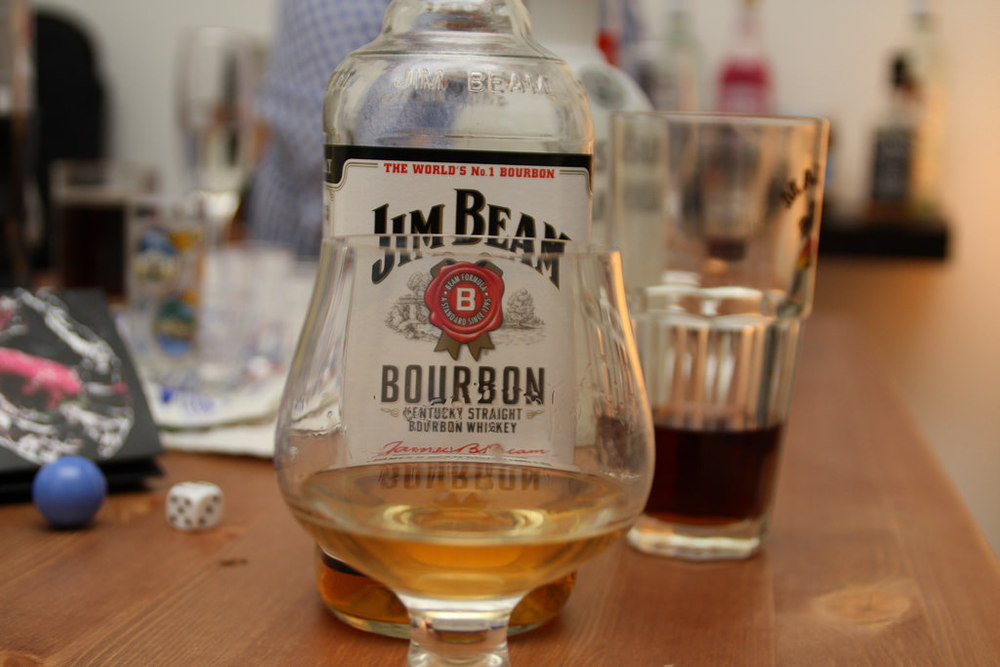
Whiskey from Kentucky’s neighbour, Tennessee, is pretty much bourbon dripped through charcoal in a procedure called Lincoln County Process, although its natives may beg to differ.
Japan, meanwhile, started making whisky in the 19th century but began commercial production only from the 1920s.
The Land of the Rising Sun beat Scotland at its own game when in 2003, the Yamazaki 12 Years single malt whisky became the first Japanese whisky to win the gold medal at the most authoritative liquor competition in the world — the International Spirits Challenge. It caused quite a stir among whisky purists.
Although whisky production is the second largest money-maker in Scotland, India is the world’s largest whisky producer and consumer. Owing to its large population, India consumes about half the world’s total volume of whisky each year!
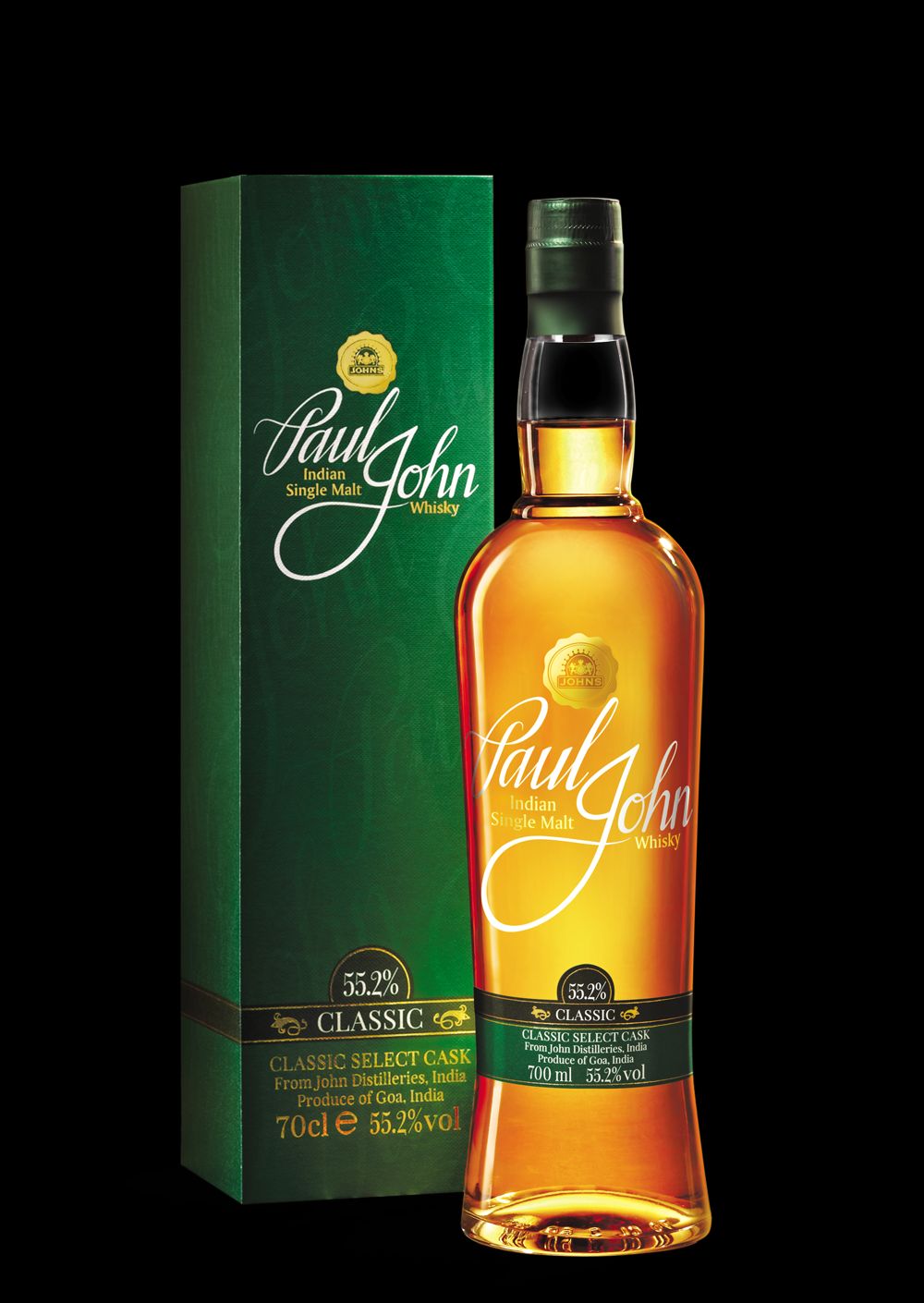
With more countries joining the elite group of distillers, whisky drinkers ranging from men (and women) on the street to well-informed connoisseurs are also using it as a source of alternative investment.
In May, a rare 60-year-old Macallan whisky sold for US$1.01 million (RM4.42 million), twice its estimated value, at Bonhams Hong Kong. It smashed the record for the most expensive bottle of whisky ever sold at auction.
Feeling parched after reading all about whisky? Well, the biggest-ever whisky event in Malaysia is coming soon.
WhiskyPLUS, Malaysia’s premier whisky and spirits tasting event, is an excellent opportunity for guests not just to learn more about the world of whisky but a rare chance to indulge in an unlimited tasting of dozens of different whisky and spirits brands from around the world.
The one-day event on July 28 at Hilton Sentral Kuala Lumpur offers two sessions for participants to sample drinks from over 45 participating brands, try a selection of chef-curated light bites, take masterclasses, visit pop-up bars, and indulge in purchase-by-the-dram rare whiskies.
For details and to purchase entry passes click here.


