













SINGAPORE, July 26 — Though not nearly as buzzworthy as the controversial inclusion of hawker stalls alongside fellow one-star recipients such as Waku Ghin, Jaan and Shinji, it is still worth noting that a number of Singaporean chefs did make history after helping their restaurants earn a coveted star in the nation’s first Michelin Guide.
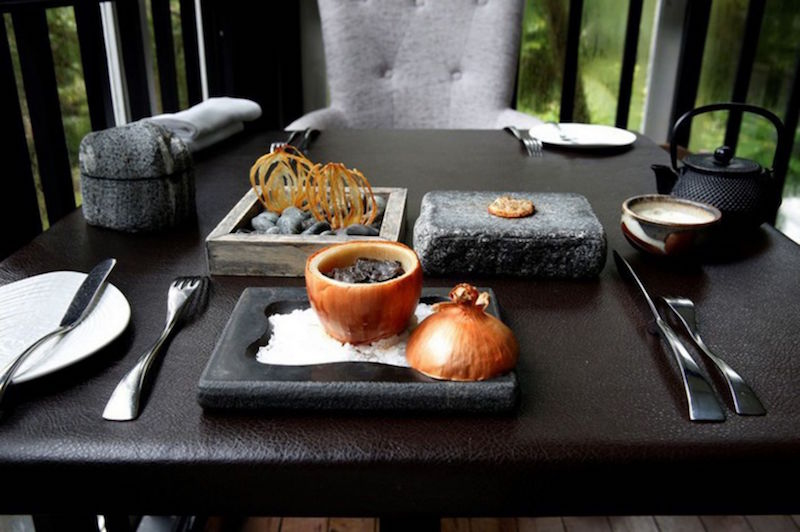
The cuisines they championed paint an expectedly diverse picture — from Corner House’s modernist celebration of some of the finest seasonal produce from all over the world (peppered with the odd ode to local flavours), to Candlenut’s elegantly updated rendition of local Peranakan cuisine, and Forest’s contemporary Chinese cuisine by one of Singapore’s first celebrity chefs, Sam Leong.
“I believe the food scene in Singapore is only going to keep growing. The future has never been brighter for Singapore’s dining scene,” Michelin Guide’s international director Michael Ellis told TODAY, stopping short of saying what he thinks Singapore chefs would need to do to earn another star. “I don’t want to say we give any advice to anyone. Just keep doing what they’re doing, keep the quality high and get creative with their food. The Singapore culinary scene will only be better for it.”
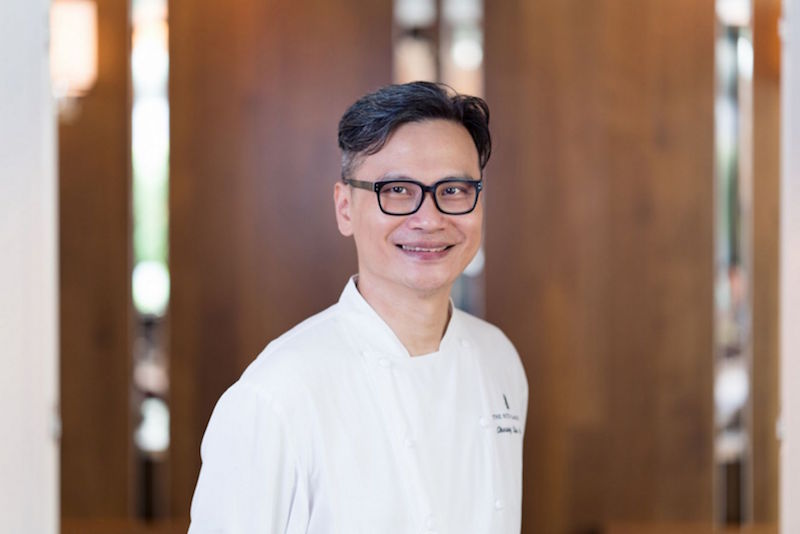
Of course, that is not to say chefs such as Corner House’s Jason Tan cooks solely for such accolades. In fact, he will be the first to say that culinary excellence is not measured by fancy interpretations. “As long as you cook with your heart, something as simple as an onion soup or lobster bisque can be elevated to a Michelin-standard dish,” he said.
He added that it is about the amount of effort the chef puts into every aspect of the dish. Doing more to improve his cuisine is not done with the intention of earning greater accolades but his personal satisfaction and that of his guests, he said. “Of course, we will continue to innovate, to source for unique ingredients to improve the cuisine. I’m sure with newly sourced ingredients, my team and I can be more inspired to create something different and have another breakthrough — and maybe that will gain us more stars.”
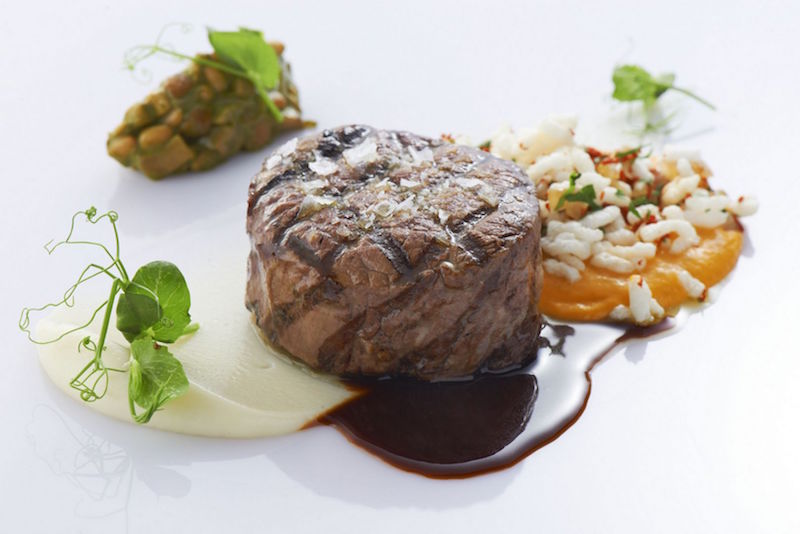
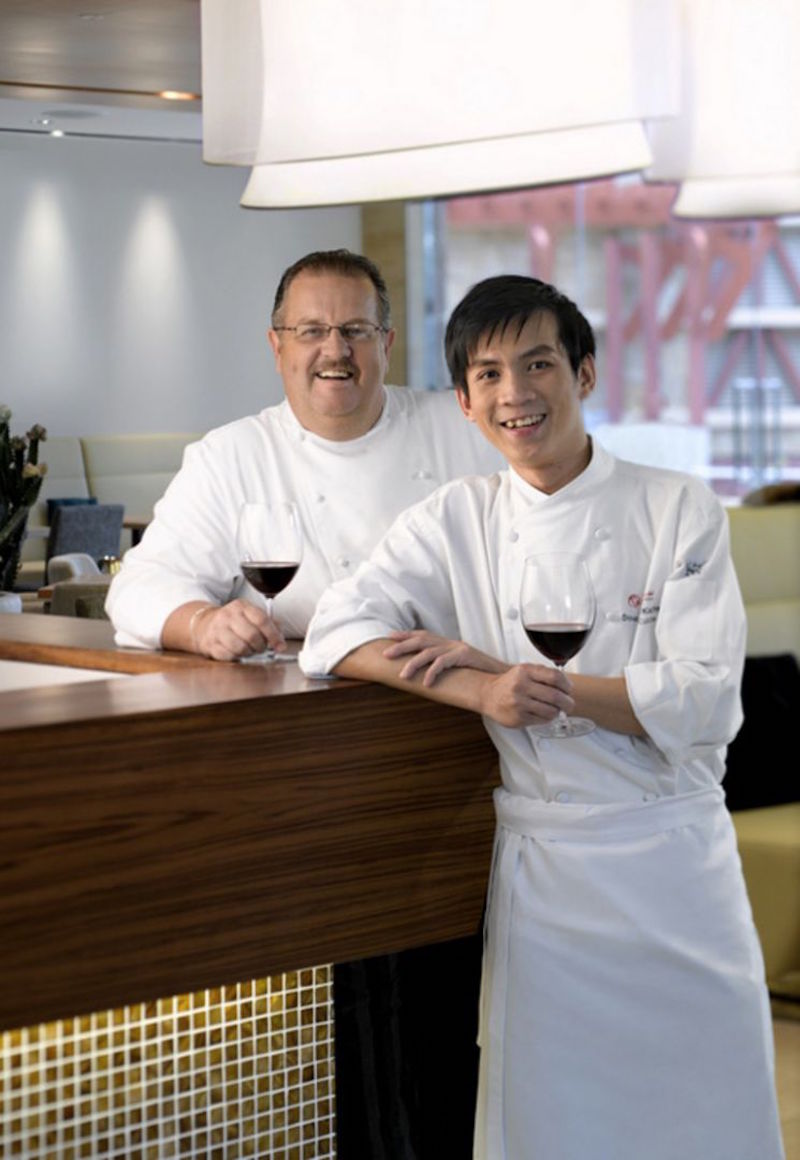
Chef de cuisine Douglas Tay, who joined Osia Steak and Seafood Grill in 2009 to spearhead its opening, also shared how besides the tough search for the right talent — those “who possess a positive attitude” being one of the main challenges for restaurants in Singapore — sourcing the best quality produce from around the world is key to the success of a restaurant.
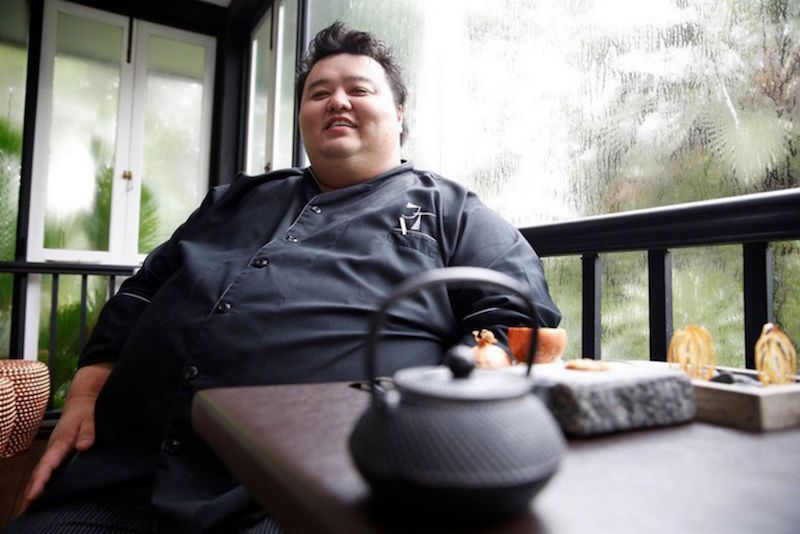
“At Osia, for instance, we specially source our meat from boutique farms in Australia,” he said, before pointing out how he would stress that the No 1 focus is ensuring consistency of the cuisine and service. “We are also setting the challenge for ourselves to improve our culinary offerings through discovering new ingredients and culinary techniques.”
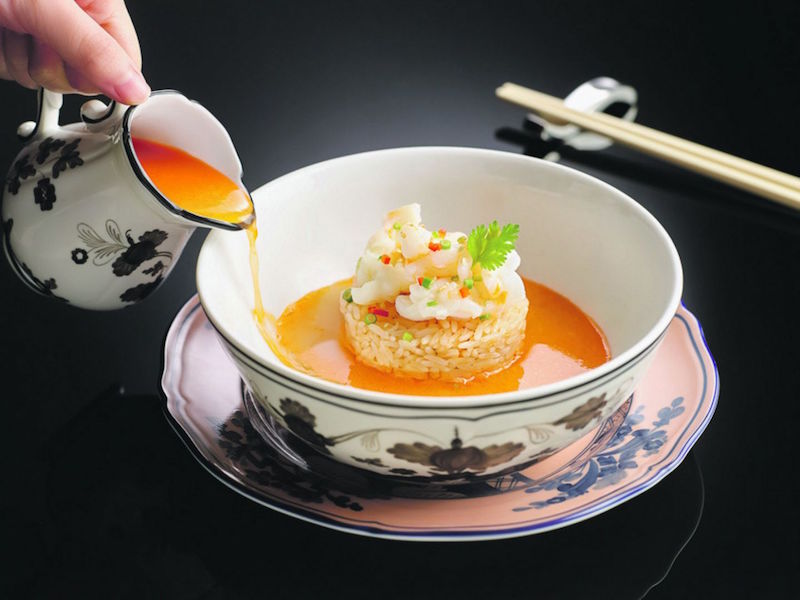
Also receiving a one-Michelin star rating is Summer Pavilion at The Ritz-Carlton, Millenia Singapore, headed by Hong Kong-born Chinese executive chef Cheung Siu Kong, who has been with the restaurant since 2003, a year before he became a Singapore citizen.
“It is important to get the fundamentals right, so it is crucial that we maintain the quality of food and service that we offer at Summer Pavilion,” Cheung shared. He added that while the essence of Cantonese cuisine such as “wok hei” and the focus on each ingredient’s natural flavours continues to define his style of cooking, he has observed how unlike diners in Hong Kong, Singaporeans prefer spicier and more flavourful dishes.
Speaking of taking traditional cuisine to new heights, Candlenut’s Malcolm Lee said it is important for “our local cuisine” that Peranakan cuisine has been honoured in the Michelin Guide. “This is the style of food from my family — my mum and grandmother,” he stressed, adding that it has been “a hard six years”.
Challenges include finding the right home for the restaurant, which will move from the Dorsett Residences on New Bridge Road to the new Como Dempsey lifestyle complex in October.
At the table, Lee serves a chef’s menu instead of the usual a la carte for dinner, which is a first for such a restaurant here.
Lee feels that traditional Peranakan cuisine can be deserving of two or even three Michelin stars, but explained how innovation has a part to play. “You need to approach tradition with modern sensibility in order for innovation to happen,” he said. For now, though, he has not thought about a strategy to earn another star. “We’re just going to continue cooking good food for now. We need to work on the consistency of our food through a systematic training programme, which ensures all staff are on the same page.”
And that is really what we should be expecting from any good restaurant — starred or not. — TODAY