


LONDON, Dec 13 — “Mince around the World” is probably one of the worst names ever for a cookbook, yet it was discussed in all seriousness by an editor of my acquaintance a few years ago. For non-British readers, let me explain: Mince is what you folks the other side of the pond call “ground.” Not that “Grind around the World” would be much better.
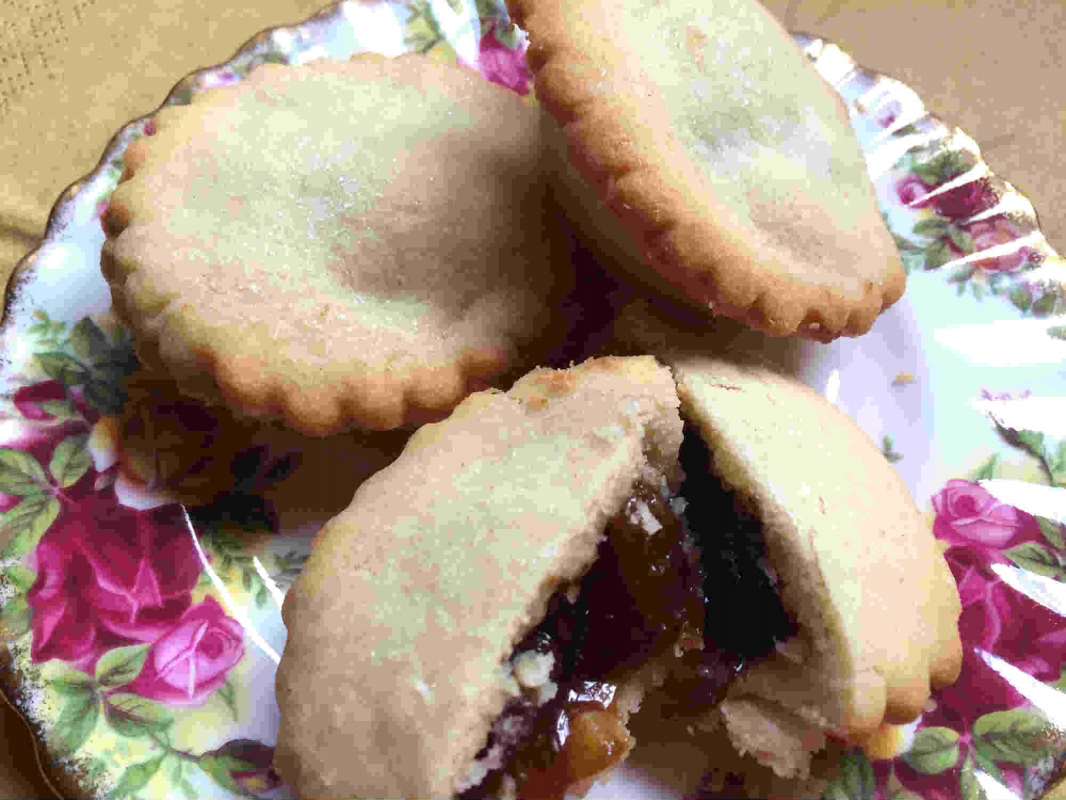
Christmas mince pies would, of course, would be a feature in such a volume, although the beef that was once an essential component of the pastry has long been jettisoned from the ingredients list. In Britain, “mince” means ground meat, and “mincemeat” refers to dried fruit, nuts, candied peel, sugar, spices, suet and brandy or rum, chopped into a mixture that is used as a filling for small, round covered pies.
The latter word did originally mean finely shredded beef — indeed they commonly “made mincemeat” of unlucky knaves back in the 17th century — and it was general practice from the Middle Ages onward to add spice and fruit to meat. In her brilliantly researched “Great British Bakes,” Mary-Anne Boermans notes that Esther Copley in 1838 included five different recipes for mincemeat in her cookbook, the main ingredients being beef, tripe, neat’s tongue, eggs and oranges.
The meat content gradually died out over the centuries, especially with the advent of refrigeration, which took away the need to preserve meat by other means. The tradition survived longest in the sheep-rearing districts of northern England, where lamb or mutton was preferred to beef. The last vestige is the use of beef suet, although today’s mincemeat is increasingly vegetarian-friendly. Not that this is entirely new either — Hannah Glasse (1747) gives a recipe for Lenten mincemeat that has neither sugar nor suet, although it does include hard-boiled eggs.
Christmas tradition of mince pies
The atavistic impulse to make mince pies is still strong in British homes from the first rendition of “White Christmas” until you break your January diet. In 1662, Samuel Pepys celebrated “Twelfth Night” with a dish of 18 “mince pies” (aka “Christmas pies”).
It is still common practice to have a standby tin of pies ready to offer passing mailmen, window cleaners and garbage disposal executives. In Yorkshire, they used to say if you didn’t accept a mince pie when offered, you risked a run of bad luck. There was also an old country belief there that the original mincemeat consisted of 13 ingredients representing the 12 apostles and Christ himself. Another old Yorkshire tradition, quoted in “The Oxford Companion to Food,” was that it is incorrect to eat mince pies before Christmas, but to eat one in a different house if possible on each of the 12 days of the season of Christmas — in order to bring 12 happy months.
Alas, I have to break it to you that unless you have been frightfully well-organised and have remembered to make your mincemeat far enough in advance for the flavour to mature, it is now too late for homemade. Still, there are good ready-made brands in the shops — but hurry, because you won’t be the only one who has just thought about it. Likewise, with the pastry. There are various schools of thought as to whether this should be short crust, puff or flaky. The choice is yours, as is the decision whether to make your own or use ready-rolled.
For many families, Christmas simply isn’t Christmas without a plate of mince pies on hand. Even if you hate them or no one ever eats them, you’ve simply got to have them. It’s the law. Santa says so.
Classic Mince Pies
When using ready-made mincemeat, you can always perk it up with a splash of rum or brandy and/or some extra citrus zest. This recipe is based on one by Annie Bell in her triple-tested “Baking Bible.”
Prep time: 1 hour, 30 minutes
Cook time: 30 minutes
Total time: 2 hours
Yield: About 24 servings
Ingredients
3 1/2 cups all-purpose flour
1/2 cup butter, chilled and diced
1/2 cup lard, chilled and diced
1 cup sifted confectioners’ sugar
1 egg yolk
A little milk
Superfine sugar, for dusting
About 2 cups mincemeat
Directions
1. Briefly process the flour, butter and lard so it becomes crumb-like.
2. Add the confectioners’ sugar and pulse again.
3. Add the egg yolk and enough milk to bring the dough together in a ball.
4. Wrap in plastic wrap and chill for at least one hour.
5. Preheat the oven to about 375 F (190 C).
6. Grease two 12-hole shallow tart tins (or use non-stick).
7. Thinly roll out two-thirds of the pastry on a lightly floured work surface. Use a 3-inch fluted pastry cutter to cut circles. Place in the trays and fill with a generous spoonful of mincemeat.
8. Roll out the trimmings and remaining pastry and cut circles with a 2 ½-inch fluted cutter. Brush the rim of the pies lightly with milk, lay the lids on the tops and gently press the edges together.
9. Dust with the superfine sugar and bake for 15 to 20 minutes. Keep an eye on them so they don’t go much beyond the pale gold stage or the rims will start to harden and burn.
Tip: They can be stored in an airtight container for up to a week. They can also be frozen. — Zester Daily/Reuters


