












JULY 18 — For years, the narrative of Kuala Lumpur’s development has been one of relentless concrete.
The city’s rapid urbanisation has come at a significant cost, with green spaces — the very lungs of the metropolis — being systematically sacrificed to make way for condominiums and commercial projects.
The situation has been so dire that the Public Accounts Committee (PAC) itself labelled the cancellation of land reserves and the alienation of green areas to developers a “critical issue,” pointing to a systemic weakness in Kuala Lumpur’s land development planning system.
This was a conundrum that pitted short-term profit against long-term liveability, and for a while, it seemed the developers were winning.
For a long time, the leadership of Kuala Lumpur could not resolve that critical issue.
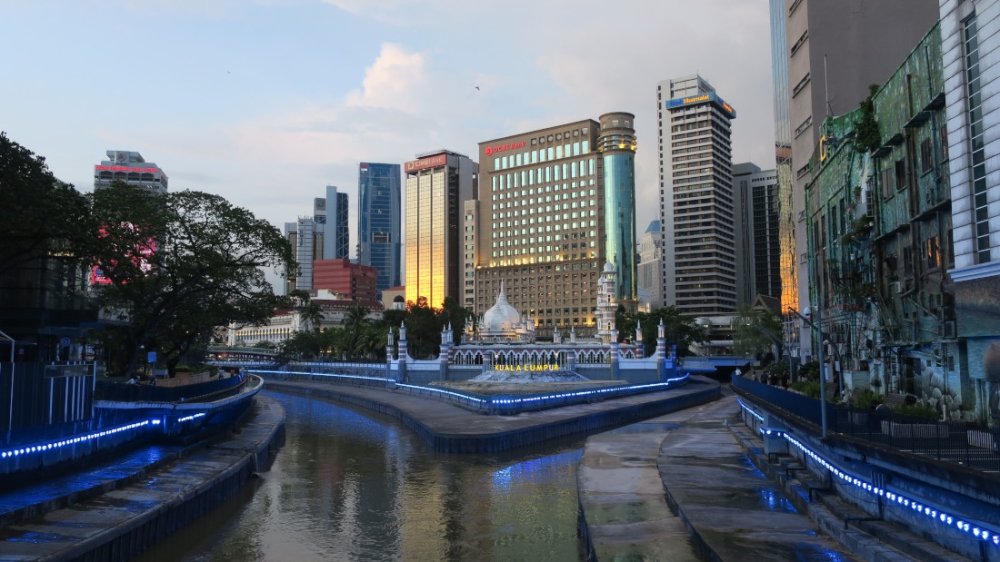
Many ministers of the Federal Territories have come and gone. But the issue remained. It has been a sore point for residents of Kuala Lumpur. What with traffic congestion and flash floods hopelessly worsening.
However, a palpable shift in momentum is underway, spearheaded by the Federal Territories Minister Hannah Yeoh.
Her approach, which prioritises transparency and swift action, marks a significant departure from the opaque processes of the past.
The establishment of a special task force to fast-track the gazettement of green spaces is not merely an administrative move; it is a declaration that the city’s green heritage is a non-negotiable asset.
The recent announcement of 45 more areas being gazetted, bringing the total to 539 protected locations, is a tangible victory for city dwellers who have long watched their parks and fields disappear.
Transparency as a shield
Perhaps the most critical reform introduced is the open data initiative, making the list of gazetted spaces publicly accessible online.
In a city where land deals have often been shrouded in secrecy, this is a game-changer.
As Minister Yeoh aptly noted, without access to this information, the public is powerless to object when developers eye a local park for a high-rise project.
This move empowers communities, arming them with the knowledge to act as guardians of their own neighbourhoods. It is a crucial step in rectifying the absence of “check-and-balance” mechanisms that the PAC highlighted as a major flaw in Kuala Lumpur’s governance.
This push for protection aligns with a broader, more ambitious vision for the city’s future.
The Kuala Lumpur Structure Plan 2040 aspires to transform the capital into a “green, inclusive, and liveable” city by creating a “Green Network” that connects parks, urban forests, and river reserves through 254.4 kilometres of ecological corridors.
This concept is about more than just aesthetics; it is a deliberate strategy to support biodiversity, reduce urban heat, and provide a seamless network for pedestrians and cyclists.
The integration of “blue” elements like the Klang and Gombak rivers into this network further solidifies the goal of building a resilient “Sponge City” capable of managing flash floods.
Concrete challenges and a path forward
Despite this progress, the battle is far from over.
The PAC’s findings serve as a stark reminder of the formidable forces aligned against these green initiatives. The report revealed that land ownership applications for police stations and even flood retention ponds were rejected in favour of developers, and that the outdated land premium formula has led to government land being sold at below-market prices, resulting in significant public losses.
These revelations underscore that the push for green spaces is not just an environmental issue but a fundamental matter of good governance and fiscal responsibility.
The path forward requires a multi-pronged strategy. First, the gazettement efforts must be completed with urgency, ensuring the remaining 256 sites are permanently protected.
Second, there must be a sustained push to reclaim and repurpose lost spaces. Experts have proposed converting underutilised carparks into “pocket parks” to combat the urban heat island effect and mitigate flooding.
A spatial analysis found that central Kuala Lumpur has more land dedicated to open-air carparks (55.2 hectares) than it does to green spaces (40.4 hectares), representing a massive opportunity for transformation.
The success stories in Kepong, where vacant lands have been rejuvenated into community parks like Taman Laman Jalinan Hijau, prove that such initiatives are both viable and deeply valued by residents.
Minister Yeoh’s leadership represents a crucial pivot. By prioritising the protection of green spaces, she is not just preserving trees; she is safeguarding the quality of life for all Kuala Lumpur residents.
The benefits — from a cooler, cleaner environment to healthier lifestyles and a more resilient city — are immense.
The challenge now is to ensure these bold steps are not a momentary trend but the foundation of a new, sustainable governance model for the nation’s capital. The city’s future depends on it.
* Professor Datuk Dr Ahmad Ibrahim is affiliated with the Tan Sri Omar Centre for STI Policy Studies at UCSI University and is an Adjunct Professor at the Ungku Aziz Centre for Development Studies, Universiti Malaya. He can be reached at [email protected].
** This is the personal opinion of the writer or publication and does not necessarily represent the views of Malay Mail.