


JUNE 2 — The Thirteenth Malaysia Plan (RMK13), the New Industrial Master Plan 2030 (NIMP 2030), and Asean 2045 all speak confidently about innovation, resilience, and high-value industries. Medical technology is frequently listed as one of the sectors expected to drive future growth.
The more important question, however, is whether we are prepared to build the kind of ecosystem that medical innovation actually requires.
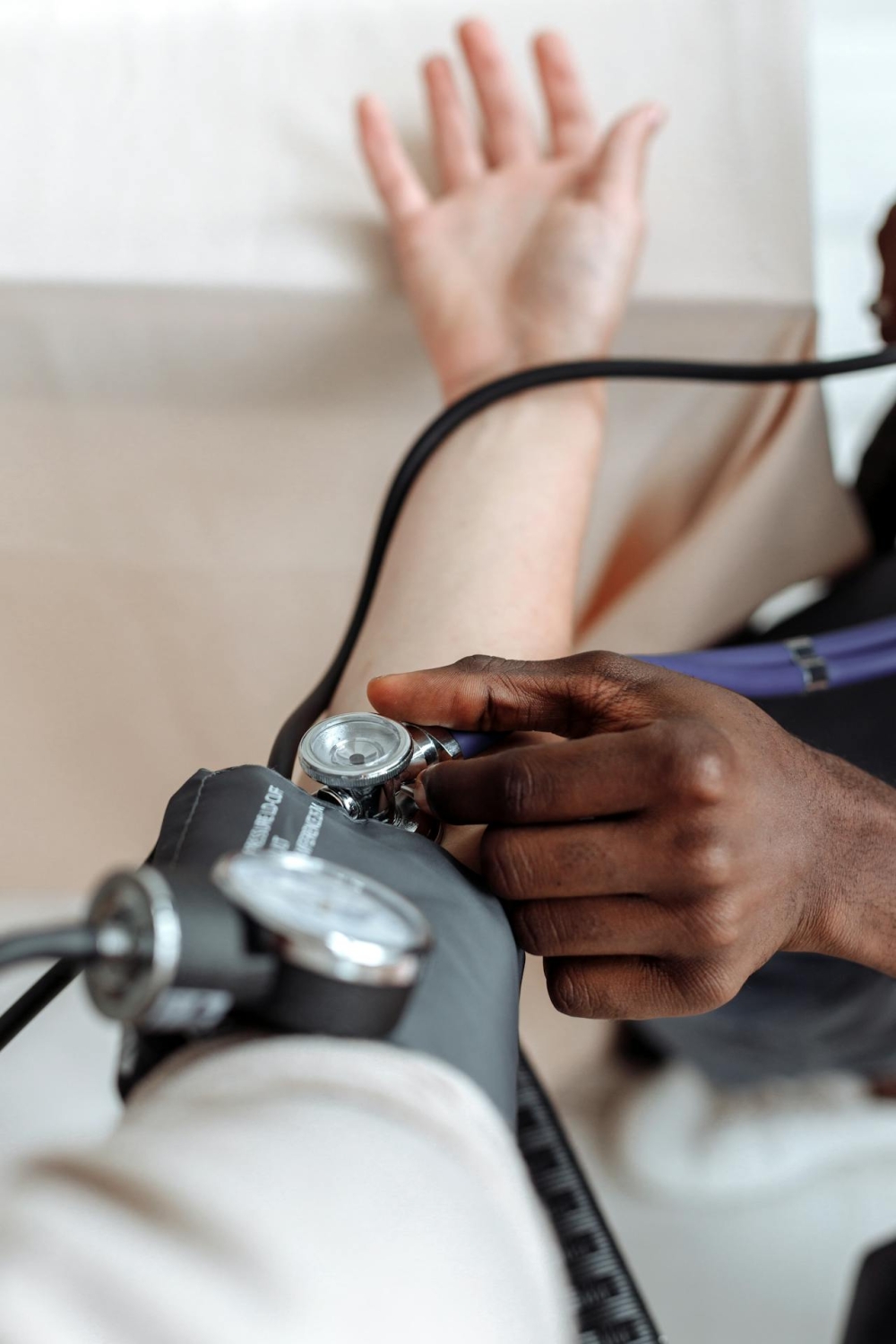
Medical devices may not attract the same public attention as elections, fuel prices, or megaprojects, but they sit very close to everyday life. A blood pressure monitor in a rural clinic, a prosthetic limb for rehabilitation, a portable diagnostic tool in an overcrowded emergency department; these are the very technologies through which ordinary people experience healthcare.
Malaysia has already established itself as an important manufacturing base for products such as gloves, catheters, and surgical consumables. That achievement should not be underestimated. But manufacturing scale alone does not automatically translate into innovation leadership.
The challenge now is whether we can move beyond being a reliable production hub and become a country capable of designing technologies that address Asean’s real healthcare needs.
This distinction matters because medical device innovation is fundamentally different from conventional manufacturing. Producing established products at scale is not the same as building entirely new systems that must survive years of prototyping, testing, clinical validation, regulatory review, and post-market monitoring.
Developing a high-risk medical technology is expensive, slow, and uncertain.
Yet much of our ecosystem still appears more comfortable with adaptation than invention. In practice, many companies continue to operate within what might be described as a “follow and improve” model: waiting for technologies to mature elsewhere before reproducing or modifying them for local markets.
This approach can sustain factories and generate exports, but it rarely produces globally competitive intellectual property or deep design capability. It builds manufacturing strength without necessarily building innovation confidence.
If we are serious about positioning Malaysia as a regional medtech leader, then our funding patterns must reflect that ambition.
At present, genuinely long-term medical device R&D remains underfunded relative to the complexity of the field. High-end medical technologies require multidisciplinary teams, regulatory expertise, clinical partnerships, advanced testing infrastructure, and sustained investment over many years. The timeline is often measured in decades rather than funding cycles.
This creates a difficult tension. Policymakers understandably want measurable outcomes, while investors often prefer lower-risk sectors with faster returns. But breakthrough medical technologies rarely emerge from short-term thinking.
Industry also faces uncomfortable decisions. Expanding manufacturing capacity for proven products is financially safer than investing in first-in-class technologies with uncertain commercial outcomes. Imported designs and licensing agreements reduce risk. Building original platforms does not.
As a result, many ecosystems, including our own, gradually optimise themselves for certainty rather than innovation.
That may be commercially rational in the short term, but it limits our ability to lead.
The countries most associated with medtech innovation today did not reach that position through cautious investment alone. They built long-term ecosystems linking universities, hospitals, regulators, investors, and industry around shared technological priorities. They accepted that meaningful innovation carries a high probability of failure.
Malaysia cannot expect similar outcomes while remaining uncomfortable with uncertainty.
At institutions such as the Pusat Kanser Tun Abdullah Ahmad Badawi (PKTAAB), Universiti Sains Malaysia, collaborations between clinicians, researchers, and engineers increasingly reflect this reality. Translational research today is no longer confined within a single laboratory discipline. Advances in biomaterials, regenerative medicine, diagnostics, and digital health require integrated ecosystems capable of moving ideas from bench to bedside responsibly.
This is especially important in Asean, where healthcare systems must often operate under resource constraints very different from those in wealthier economies. Designing for the region means designing technologies that are not only advanced, but also affordable, durable, scalable, and relevant to real clinical settings.
That is where the phrase “bottom billions” becomes important. Innovation should not be measured only by technological sophistication. It should also be measured by accessibility and impact.
The real test of Malaysia’s ambition is therefore not whether we can produce more strategic documents or announce more pilot programmes. It is whether we are willing to sustain the difficult and expensive process of building original capability over the long term.
Medical device innovation cannot survive on slogans alone.
If we want to lead Asean meaningfully in this space, then funding, regulation, academia, and industry must begin operating with the same level of seriousness that genuine innovation demands.
Otherwise, we may continue manufacturing the future without ever truly designing it.
* Professor Dr Badrul Hisham Yahaya is the Deputy Director (Research & Networks) of Pusat Kanser Tun Abdullah Ahmad Badawi, Universiti Sains Malaysia (USM) and the President of Malaysian Society for Stem Research and Therapy.
** This is the personal opinion of the writer or publication and does not necessarily represent the views of Malay Mail.


