


MAY 29 — Cancer is often described as a battle against tumours. Doctors focus on where the cancer is located, whether it has spread, and how aggressively it should be treated. Yet amid the chemotherapy, radiation, scans and blood tests, one critical part of the body is often overlooked: muscle.
This may sound surprising, but growing scientific evidence now shows that muscle mass is one of the strongest predictors of how well a cancer patient responds to treatment, recovers after therapy, and even survives long-term. For many survivors, rebuilding muscle may be just as important as eliminating cancer itself.
In Malaysia, where cancer cases continue to rise each year, this is a conversation we urgently need to have. Cancer does not only attack a single organ. It affects the entire body.
One of its most devastating effects is muscle loss, a condition known medically as cancer cachexia or sarcopenia. Many patients lose significant amounts of muscle during treatment due to inflammation, poor appetite, reduced physical activity, and the harsh metabolic effects of chemotherapy and radiation.
What makes this especially dangerous is that muscle loss is not always obvious. A patient may maintain the same body weight, or even gain weight, while silently losing muscle and accumulating fat. This condition, sometimes called “sarcopenic obesity”, can easily go unnoticed. The consequences are far more serious than simply feeling weak.
Research has consistently shown that cancer patients with low muscle mass experience higher treatment toxicity, more complications after surgery, longer hospital stays, and poorer survival rates. In simple terms, the body becomes less resilient. Muscle is not merely for movement or appearance. It plays a major role in regulating metabolism, controlling inflammation, supporting the immune system, and helping the body recover from physical stress. Skeletal muscle also stores amino acids needed for tissue repair and healing. When muscle is depleted, the body loses an important protective reserve.
This explains why some cancer patients struggle to tolerate chemotherapy. Their bodies are less able to process the treatment effectively, increasing the risk of severe side effects and forcing doctors to reduce treatment doses. Unfortunately, dose reductions may also reduce the effectiveness of cancer therapy itself.
Even after successful treatment, many survivors remain physically exhausted for months or years. Fatigue, reduced strength, poor mobility, and lower quality of life often persist long after the cancer is gone. Yet survivorship care in many healthcare systems, including parts of South-east Asia, still focuses mainly on detecting recurrence rather than rebuilding physical function. This needs to change.
For many years, cancer patients were encouraged to rest as much as possible during treatment. Fatigue was seen as a reason to avoid physical activity. Today, science tells us the opposite.
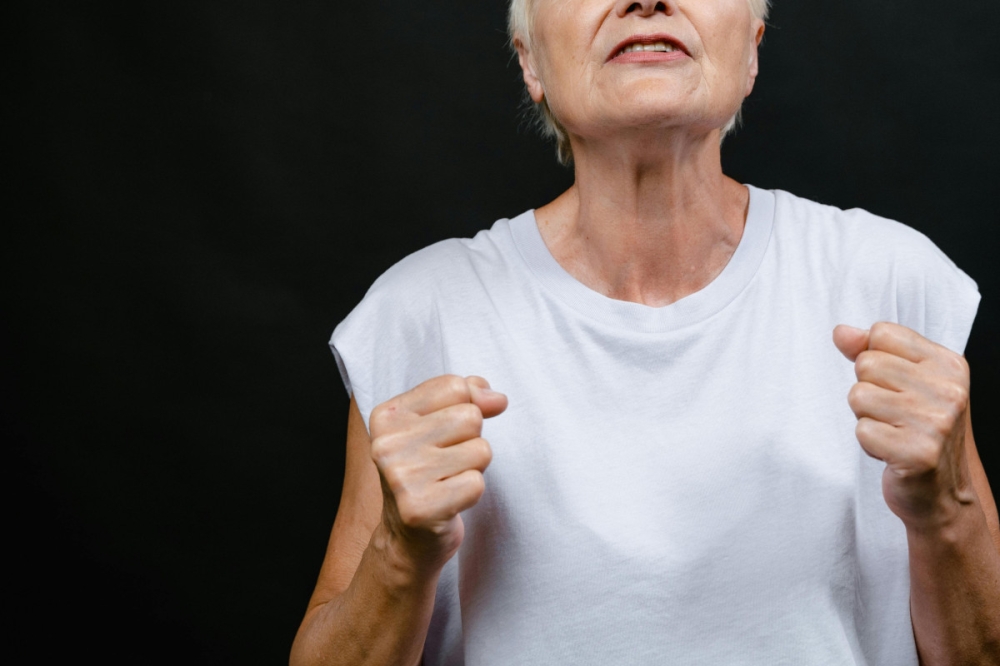
Exercise is now recognised internationally as an important part of cancer care. The American College of Sports Medicine and other major organisations have concluded that exercise is safe and beneficial for most cancer patients, including those undergoing active treatment. Studies show that regular physical activity can reduce fatigue, preserve muscle mass, improve mental health, and enhance overall recovery.
Among the different forms of exercise, resistance training appears especially important. Activities such as light weightlifting, resistance-band exercise, squats, chair stands, and bodyweight movements directly stimulate muscle rebuilding. Even moderate exercise performed two or three times a week can produce meaningful improvements. Importantly, patients do not need to become athletes. Recovery is about consistency, not intensity.
Walking also matters. Simple daily movement improves blood circulation, cardiovascular health, insulin sensitivity, and inflammation control. In many cases, the greatest danger is prolonged inactivity.
Nutrition is equally critical. Muscle cannot rebuild without adequate protein intake. Unfortunately, many cancer patients struggle to eat properly due to nausea, mouth ulcers, altered taste, digestive problems, or loss of appetite during treatment.
Healthy adults generally require about 0.8 grams of protein per kilogram of body weight daily. Cancer patients often need significantly more — approximately 1.2 to 1.5 grams per kilogram, depending on their condition and treatment stage. Practical protein sources include eggs, fish, chicken, milk, yoghurt, tofu, tempeh, beans, and legumes. Small but frequent meals may help patients who cannot tolerate large portions. Some may also require nutritional supplementation under medical supervision.
Families and caregivers play an important role here. Encouragement to eat well and remain physically active can make a meaningful difference during recovery.
Equally important is changing how society views recovery from cancer. Completing chemotherapy is not the end of the journey. Recovery continues long after hospital appointments become less frequent.
Cancer survivors should not feel guilty about being tired or physically weaker than before. Muscle loss during treatment is biologically real, medically significant, and often reversible with proper rehabilitation.
Healthcare systems must also evolve to address this challenge more proactively. Muscle and nutritional assessments should become part of routine cancer care, not optional extras. Rehabilitation, physiotherapy, exercise guidance, and dietary counselling should be integrated into survivorship programmes from the beginning.
Malaysia has made important progress in cancer treatment and early detection. The next step is ensuring that survivors do not merely live longer, but live better.
For anyone currently facing cancer, or supporting someone who is, the message is simple: do not underestimate the importance of muscle health. Movement, nutrition, and rehabilitation are not cosmetic concerns. They are part of recovery itself. Cancer treatment may save lives. Rebuilding strength helps survivors truly reclaim them.
* Dr Nurdiana Zainol Abidin is from the Pusat Kanser Tun Abdullah Ahmad Badawi, Universiti Sains Malaysia and can be reached at [email protected]
** This is the personal opinion of the writer or publication and does not necessarily represent the views of Malay Mail.


