


SEPTEMBER 7 — Istanbul is one of the world’s great cities. Home to more than 15 million people – about half of Malaysia’s population – it is a vibrant hub of history, commerce, spirituality, and culture.
In 2023, it welcomed over 17 million tourists, drawn by its architectural splendour, bustling bazaars, majestic mosques, and unique geography straddling Europe and Asia.
Yet what strikes me most today, walking through its dense urban fabric, is not just its energy or diversity, but its remarkable cleanliness and liveability.
For a city this large and crowded, Istanbul feels astonishingly well cared for and welcoming. It was not always this way.
My first visit to Istanbul was in 1996, as a student. Back then, it was a tired and decrepit metropolis, struggling with poverty and neglect.
Step away from the grand boulevards, and the side streets told a different story: heaps of uncollected rubbish, the stench of decay, and the sight of children working instead of going to school.
They polished shoes, sold trinkets, hauled loads for merchants. Many were clearly undernourished and living on the margins of survival. It was a city weighed down by decline.
Returning now, almost three decades later, the transformation is astonishing. Certainly, part of the credit belongs to Turkiye’s broader economic awakening and the political leadership that came with it – President Reycep Erdogan himself famously launched his career as mayor of Istanbul.
But what makes Istanbul’s renaissance so striking is not just national policy or macroeconomics. It is the reinvention of city governance.
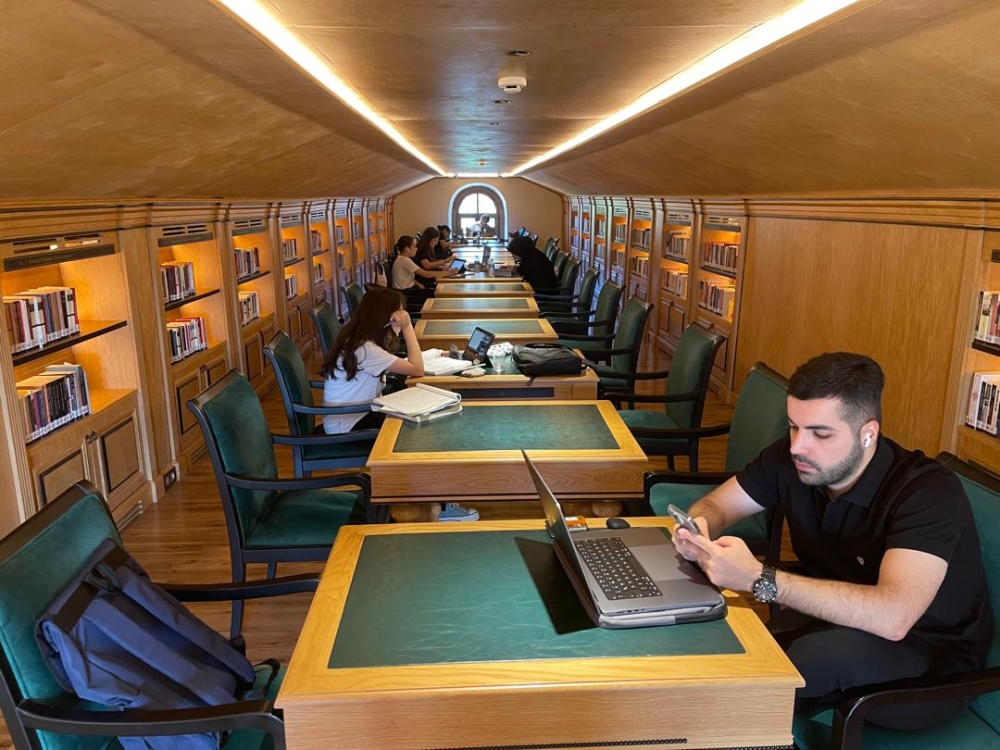
The Istanbul Metropolitan Municipality – Istanbul Buyuksehir Belediyesi – has shown what is possible when a city government truly cares about its people and its spaces.
Over the past 30 years, I have visited Istanbul more than two dozen times, and with each visit, I have witnessed how thoughtful urban governance has breathed life back into this megacity.
Where once children laboured on the streets, today they play in well-maintained parks and recreation grounds sprinkled across the city.
Where once neighbourhoods decayed, now they are thriving and full of colour.
Districts like Uskudar, Maltepe, Galata waterfront and Balat, once overlooked, have been scrubbed clean, revitalised, and infused with new energy.
Small businesses flourish in these areas, attracting both residents and visitors, while maintaining their unique heritage and charm.
Public transport connects communities seamlessly, with subway lines that even tunnel beneath the Bosphorus.
For a city spread across two continents, this network has been nothing short of transformative. It shrinks distances, opens opportunities, and makes the city more accessible to all.
But Istanbul’s success is not just about physical infrastructure. It reflects a deeper philosophy of governance -- one that recognises the human soul of the city.
Officials here seem to understand that cities are living organisms, shaped as much by trust, dignity, and inclusion as by roads or bridges.
Take the example of the Yedikule Fortress. Once a site associated with crime, drugs, and marginalisation, it had long been the home of Istanbul’s Roma (gypsy) community.
Instead of simply evicting them, the city government worked with them, granting entitlements and the right to earn income from vegetable gardens around the fortress.
With a sense of ownership and dignity restored, the community became guardians rather than outsiders. Today, the fortress is a beautiful public park, and its surrounding neighbourhoods have flourished alongside it.
This approach – of reimagining city assets for the common good – is visible everywhere.
The municipality has turned historic buildings and prime real estate into spaces that serve the people rather than just private profit.
The Nevmekan centres are a perfect example: restored stately homes overlooking the Bosphorus, converted into affordable co-working, studying, and family spaces.
More than 10 of these centres now dot the city, each welcoming ordinary residents to enjoy what might otherwise have been exclusive to the wealthy few.
On Chamlija Hill, a municipal restaurant serves delicious Ottoman cuisine at prices that families and school groups can afford, all within a lush public park.
Across the city, one finds government-owned bookshops, cafes, and craft shops offering high-quality goods without the inflated prices typical of tourist economies. The message is simple yet profound: the best of the city belongs to everyone.
And Istanbul’s care does not stop with humans. Walk around the city, and you will see food, water, and shelter stations for stray cats and dogs.
These small acts of kindness reflect a broader ethos – that a city that takes care of all its inhabitants, great and small, is one that thrives in return.
This is the lesson that should resonate beyond Turkiye. Cities are more than physical spaces; they are moral and social ecosystems.
When city officials govern with empathy and foresight – investing not only in infrastructure but in dignity, inclusion, and shared belonging – the effects ripple outwards.
People respond with pride, businesses invest with confidence, and neighbourhoods bloom with creativity.
Malaysia, too, has its share of urban challenges. Our cities often suffer from disjointed planning, uneven development, and neglect of public spaces.
Too often, the pursuit of private profit outweighs the protection of common goods. We would do well to reflect on Istanbul’s example: that governance matters, that the soul of a city can be nourished by leaders who care enough to listen, restore, and share.
Erdogan’s rise from mayor to president underlines an enduring truth: those who understand the heart of a city, who build trust with its people, are those who can lead transformations of national scale.
Istanbul shows us that when city governments care for their people and places, the city cares back. Everyone wins – the children in the parks, the families in the cafes, the tourists on the trams, and yes, even the cats and dogs that bask in its streets.
And the economy? Istanbul’s GDP in 2023 was estimated to be a cool US$340 billion (RM1,436 billion).
The story of Istanbul reminds us that cities are not doomed to decline. With leadership that values people over profits and community over neglect, urban life can be dignified, joyful, and sustainable.
The lesson is as clear as the Bosphorus on a crisp morning: when a city government cares, the city itself becomes a home worth cherishing.
* Dr Shahridan Faiez is attached to Think City, Malaysia’s urban transformation incubator of ideas and initiatives. He is a geographer and was formerly an official of the World Bank with experience in more than 20 countries. He is also a trustee of Citizens International.
** This is the personal opinion of the writer or publication and does not necessarily represent the views of Malay Mail.


