















- AI to feature in products beyond autos at CES
- Automakers rethink EV plans due to policy changes
- Cost concerns impact automakers’ strategies at CES
LAS VEGAS, Jan 6 — Autonomous driving technology is expected to dominate the CES trade show in Las Vegas this week as investors bet that artificial intelligence will invigorate an industry beset by slow progress, high costs, safety incidents and regulatory scrutiny.
Just as automakers have hit the brakes on electric vehicle (EV) plans and look for their next money maker, a slew of auto suppliers and start ups are lining up to show off their latest autonomous vehicle hardware and software. Partnerships and deals that promise to take away much of a driver’s responsibilities, or remove the need for a human driver completely, are expected to be announced.
“This year you will see more and more focus on AI and autonomous,” said C.J. Finn, US automotive industry leader for PwC, adding that how companies use AI to solve the challenge of rolling out driverless cars safely will be closely watched. “That connectivity on autonomous, I do think will be front and centre.”
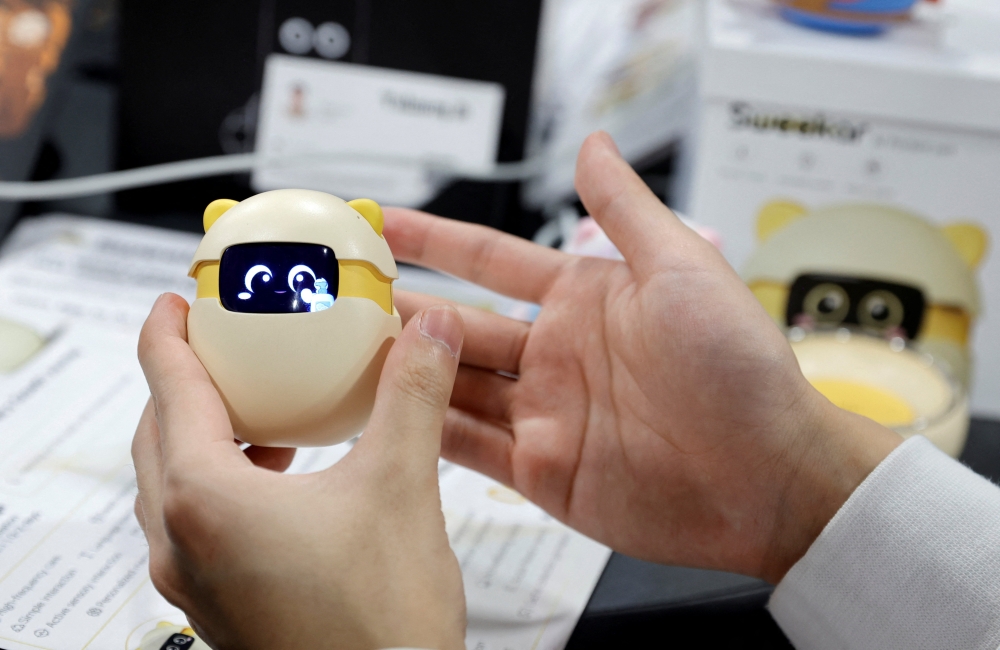
AI, though, is expected to be imbued into products well beyond autos — from robots and wearable gadgets to home devices and health technology.
Tech heavyweights including AI chip giant Nvidia’s CEO Jensen Huang and AMD CEO Lisa Su are among the key speakers this year.
No electric vehicles
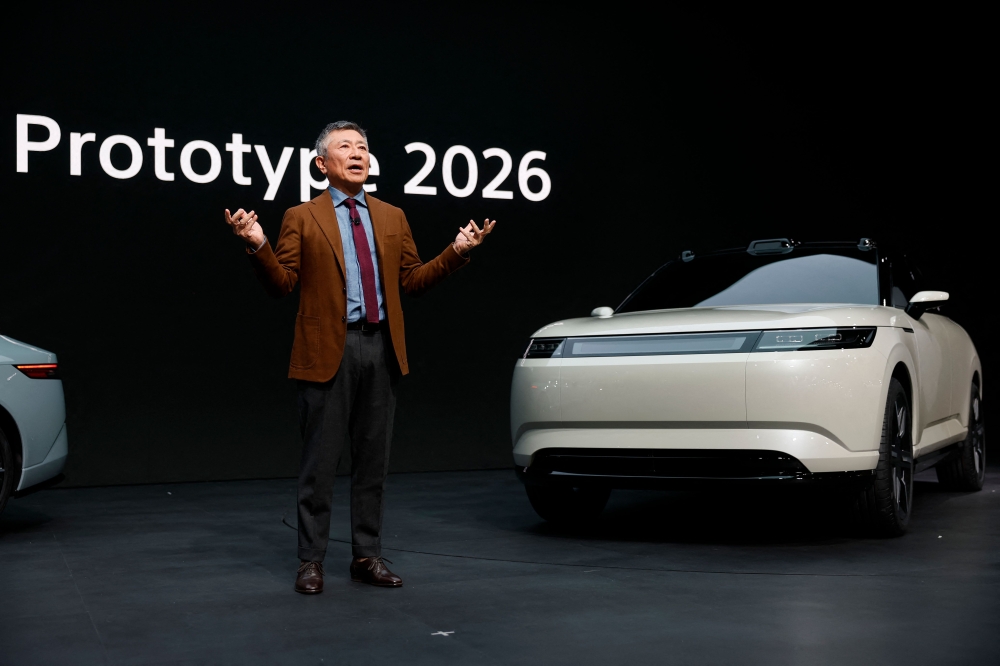
CES 2026, one of the largest technology exhibits in the United States, will run from January 6 to 9 this year. Formerly called the Consumer Electronics Show and known traditionally as the launchpad for the latest in tech such as TVs, laptops and wearables, CES, in recent years, has emerged as a key destination for automakers debuting their EVs.
But a pullback on EV-friendly incentives and policies by the Trump administration have dampened demand and forced many automakers to abandon plans to launch new EVs and rethink their strategy.
The upheaval will be evident at CES. Most major automakers have no plans to launch any new EVs this year — a stark difference from the past few years.
Money on autonomy
Commercialising autonomous vehicles has been not been easy. High investments, regulatory challenges and investigations after collisions have forced many companies to shut down.
But Tesla’s launch of a small robotaxi service with safety monitors in Austin, Texas, last year as well as quicker expansion by Alphabet’s Waymo has breathed new life into the industry.
Driver-assist systems for personal vehicles have also improved, with some automakers offering hands-free driving and automatic lane change on highways. Some, such as Rivian, aim to launch “eyes-off” functionality and self-driving on city streets.
“That’s starting to align with where people are putting forward their money and how they’re allocating capital,” Finn said.
Cost worries linger
Companies, especially automakers, are being strategic about capital investments after swallowing billions of dollars in write-offs due to changes in EV strategies. They are also dealing with the effects of high tariffs on auto and auto part imports imposed by US President Donald Trump.
Many automakers have chosen to absorb most of the cost of tariffs, instead of passing them on to customers, adding pressure on profit margins. That, along with growing competition from Chinese players, will also be top of mind for automakers at CES, said Felix Stellmaszek, global leader of the automotive and mobility sector at Boston Consulting Group.
“The main theme that we actually expect to see also popping up at CES is around cost and cost competitiveness,” Stellmaszek said. — Reuters