


KUALA LUMPUR, March 1— Beyond the glare of Hollywood blockbusters and the steady stream of local productions, movies and TV shows from Korea, India, Japan (especially anime), Indonesia, and Hong Kong have firmly established themselves as an integral part of Malaysians’ viewing habits.
This is evident whenever the stars visit, or related events are held, the responses are usually electric.
Last year, Law and the City’s cast appearance drew an estimated 20,000 fans to Pavilion Kuala Lumpur, just to catch a glimpse of Lee Jong Suk and Moon Ga-young.
In December, more than 80,000 fans packed Bukit Jalil National Stadium for the audio launch of Tamil blockbuster Jana Nayagan, headlined by superstar Vijay.
Nationwide gala screenings of Indonesian films such as Qodrat 2, anime exhibitions related to Crayon Shin-chan and Digimon, and the recent cast visit for Hong Kong film Back to the Past, led by Louis Koo, have likewise attracted thousands.
These scenes reaffirm Malaysians’ deep loyalty to regional favourites.
Yet beyond the predictable blockbusters, subtle signs point to a growing curiosity for stories outside the usual circuit.
Thai films such as How to Make Millions Before Grandma Dies (2024) and the Death Whisperer franchise have gained significant traction, while the Palestinian film Voice of Hind Rajab sold more than 60,000 tickets in Malaysia, where the country ranked third globally in viewership following its release.
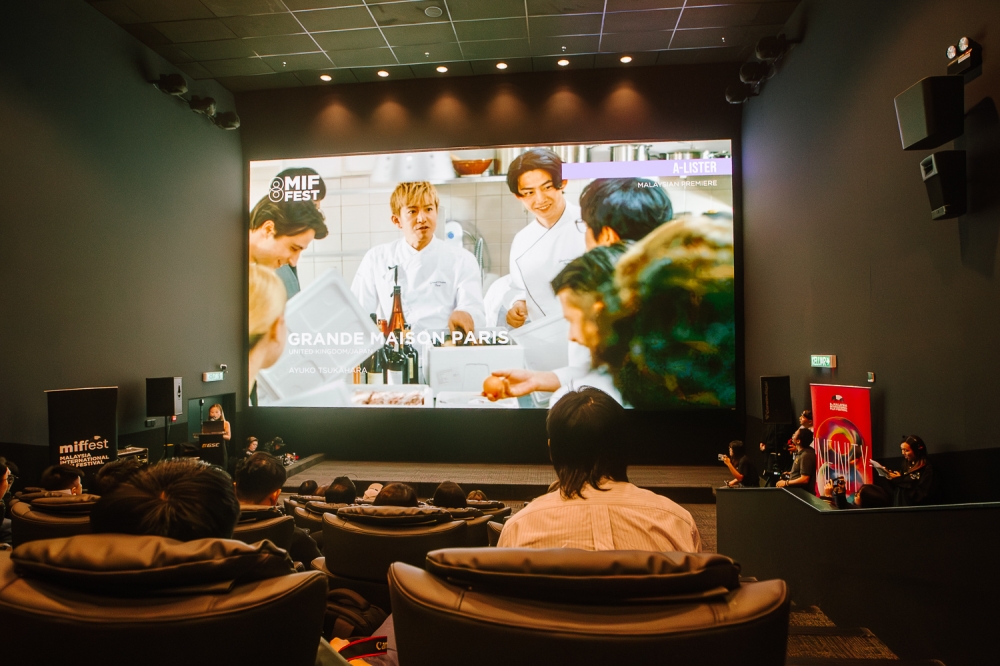
Growth in film festival participation is also evident, with the Malaysia International Film Festival (MIFFest) – known for spotlighting cinema from countries such as France, Iran, and Ukraine – recording 12,310 attendees at its seventh edition in 2024, rising to 13,174 at its eighth edition in 2025.
Still, Malay Mail sought to explore whether Malaysians are truly broadening their viewing horizons or if this appetite remains confined to a niche urban minority.
Malaysians expanding their horizons
For some viewers, the curiosity is unmistakable.
College student Ahmad Farouk Ahmad Razlan, 18, said that while mainstream hits such as Money Heist and 28 Days Later remain among his favourites, he has ventured into less familiar territory, including the Turkish horror film Dabbe, directed by Hasan Karacadağ.
“I decided to watch films outside of these usual Korean, Tamil, and Hong Kong because I found them very interesting to watch.
“The direction is different, and the storytelling is unique.
“I wanted to explore content around the world,” he said.
Farouk thinks that many Malaysians are comfortable watching content from South Korea, India, and Hong Kong, but would be more than happy to try films from elsewhere given the opportunity.
“We just need more showcases of movies beyond the usual offerings,” he told Malay Mail.
Local writer Wahab Hamzah, 64, similarly developed a fondness for international cinema, praising Nepal’s Shambhala, directed by Min Bahadur Bham, for its concept and storytelling.
Malaysian actor Fred Chan, 39, described actively seeking out highly rated films from different countries out of curiosity about global filmmaking styles.
Among the titles he cited were 1997 Iran’s Children of Heaven, France’s Je Ne Suis Pas Un Homme Facile (2018), Italy’s La Vita è Bella (1997), Argentina’s Relatos Salvajes (2014), Turkey’s Koğuştaki Mucize (2019), Brazil’s A Vida Invisível (2019) and Germany’s 2020 Persischstunden.
“Different productions have different strengths – acting, cinematography, scriptwriting, directing – regardless of the country,” he said.

Comfort in the familiar
These experiences may not reflect the broader national pattern.
Twenty-year-old film student Pouya Bakhshi, who has spent decades in Malaysia, noted that, from observation, Malaysians are continuing to consume mainstream media alongside their regular programming.
“I think it’s more out of fear, or a lack of individuality, more so they think there’s nothing better than mainstream, so why go looking, why explore?
“I feel the majority of Malaysians are unable to accept that there are better things out there, because they’re afraid they would like it,” he added.
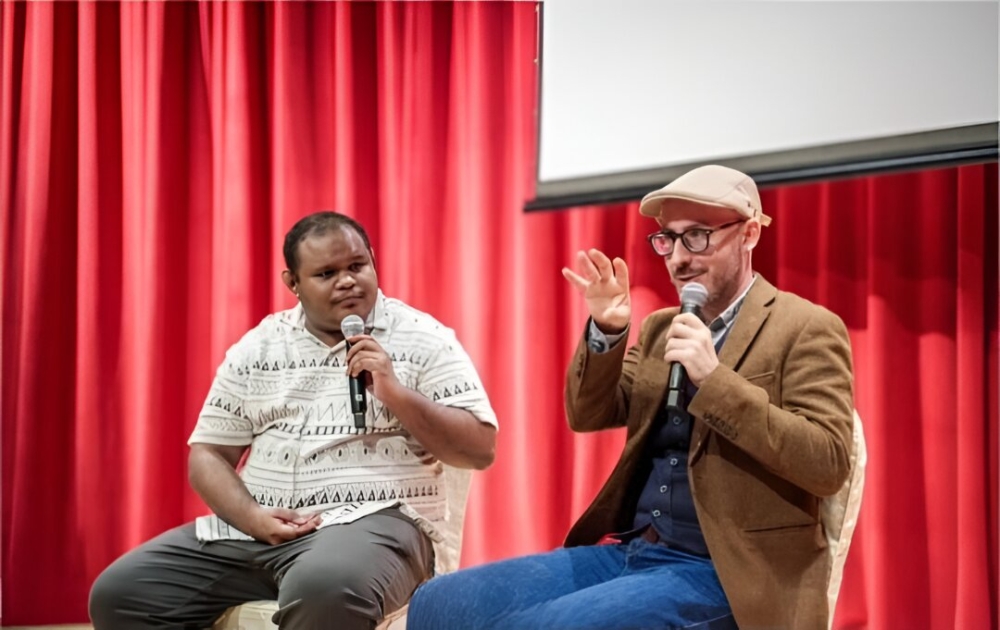
Filmmaker and film lecturer David Yanez, 43, echoed this view, noting that many of his students primarily consumed highly commercial films and series, with limited exposure to the broader spectrum of global cinema.
“In my opinion, it all comes down to exposure,” he said.
He pointed out that cinemas in Malaysia tend to screen films from a limited number of countries and genres, restricting opportunities for audiences to discover unfamiliar works.
“This narrow approach is not sustainable,” he cautioned.
“When cinemas begin to see declining financial results, they may realise they need to broaden their offerings.
“There are many different audiences – and they will show up if their films are available on the big screen,” Yanez said.
Television and streaming platforms, he added, are already paving the way for more diverse viewing tastes.
This is particularly evident on Netflix, where audiences can access content from around the world, including the Cambodian film First They Killed My Father, the Saudi comedy Sattar: The Return of the Legendary Slap, and the Norwegian series Ragnarok.
“Film culture is like food culture.
“Once you become a foodie, you can’t stop trying new things and searching for new flavours,” he said.
A gradual transformation
So, have Malaysians truly broadened their viewing horizons?
While some viewers have begun exploring more adventurous choices, it would be premature to generalise this trend, as many Malaysians continue to follow familiar viewing habits.
Moreover, with streaming platforms like Disney+ releasing numerous K-dramas this year alone, and Netflix dropping new Indonesian titles almost monthly, many would be poised to stick to their usual lineup – at least for now.
However, the steady growth in international film festivals, the box-office success of unexpected foreign titles, and the curiosity shown by younger viewers suggest that a broader appetite may be emerging.
The transformation is unlikely to happen overnight.
As access and exposure grow, the focus may shift from whether Malaysians are willing to explore to whether the industry is ready to meet their curiosity.


