


















OCTOBER 23 — The island nation is about to do something rather unprecedented — it is going to relax a ban, specifically the ban on online gambling.
That’s right, it is going to become easier to do something entertaining and potentially damaging. This hasn’t happened so often since the government decided it was OK for men to have long hair (although that’s neither damaging nor entertaining).
With very few exceptions, every other ban from smoking to after-hours public drinking, and vaping seems to have stuck.
So what will Singaporeans do with this new freedom? Now they will be able to place bets online on portals run by Singapore Pools and the Singapore Turf Club.
Both operators will launch online gaming services in the next two months (but are banned from offering casino-style games or poker, so what form the online gaming will take isn’t quite clear) but people will be able to spend their hard-earned money online if they so wish.
Interestingly the move has provoked strong backlash from the opposition and church groups. The main opposition Workers Party (though it holds just 9 out of 101 parliamentary seats) has insisted that online gambling should remain illegal.
After all, Singaporeans have historically had something of a gambling problem though tight controls on casinos and gaming curbed this in the 80s and 90s.
Following legalising and the advent of casinos in the 2000s, there has been an increase in problem gambling with up to 3 per cent of the adult population classified as gambling addicts.
Despite facing criticism for reintroducing an old vice, the revenues offered by casinos was too much of an incentive for the government to ignore with casinos opening at Resorts World and Marina Bay Sands in 2010.
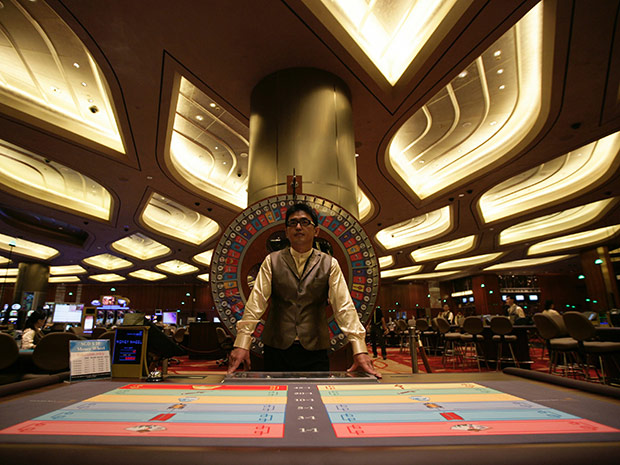
The success of the initiative was quite phenomenal — three years after opening, Singapore’s two casinos were generating nearly S$6 billion (RM18 billion) in revenue, almost equal to the gaming revenue of the entire Las Vegas strip, making Singapore the third largest gaming centre in the world in 2013.
This brought in considerable revenue, tax receipts and tourists while regulations discouraged local Singaporeans from entering the casinos.
Locals had to pay a S$100 entry fee and people on income support weren’t allowed to gamble at all. This mitigated gaming’s social impact while generating a considerable income for the country.
Now the government seems to be gearing to expand the scope for betting in Singapore.
The stated reason is that the existing online gambling ban is unenforceable, though the police did make over 100 arrests last year, trying to enforce it.
While it is true that it is very hard to block thousands of sites from various countries by various means like restrictions on bank cards for online betting, site blocks, restricting winners’ remittances, Singapore does maintain some form of ban.
Singapore with its famously stringent law enforcement and surveillance could make a good go at enforcing a ban. The reality seems to be that the government is choosing to relax the ban. Because it wants us all to cut loose and roll triple 6? I suspect because it wants revenue.
How much revenue online gambling in Singapore will raise is an open question but given our traditional predilection for punting, it won’t be insignificant. It is also unclear whether non-Singaporeans can also place bets using these portals — allowing for considerable cash inflows.
The government though maintains that the purpose of the ban relaxation is to right the wrong of an unenforceable ban, one that serious addicts will flout anyway using less regulated and more dangerous pathways.
In this case the government believes that legalising, controlling and monetising a vice is better than trying to stamp it out — the diametric opposite of the nation’s drug policy.
* This is the personal opinion of the columnist.


