


KUALA LUMPUR, Aug 4 — Emerging-market stocks and currencies rose for the first time in three days as oil extended a rebound, reviving demand for higher-yielding assets.
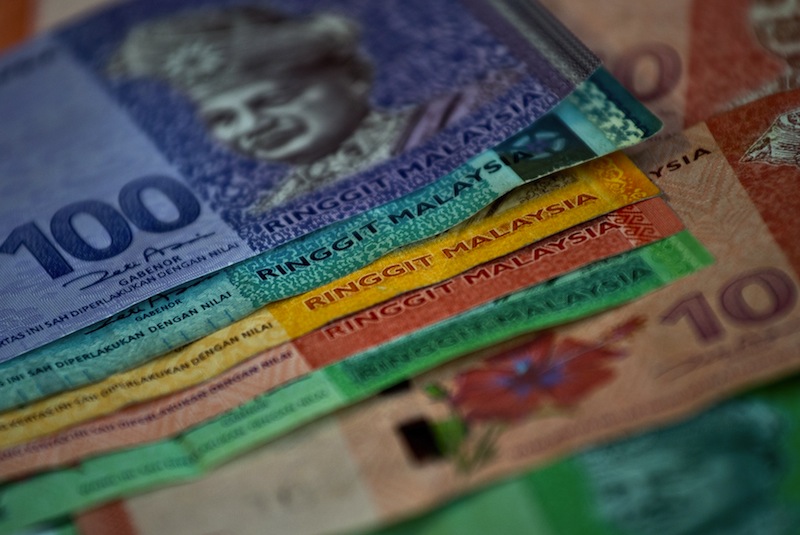
Hungary, the Philippines and Russia led gains as developing-nation equities rebounded from their biggest two-day drop in a month. Malaysia’s ringgit jumped the most among emerging currencies as the nation derives 20 per cent of its revenue from energy-related sources. Crude climbed above US$41 a barrel in New York yesterday after entering a bear market earlier this week. The appetite for higher yields is being sustained as traders bet the Federal Reserve will refrain from raising interest rates until the middle of 2017.
“The recovery in oil prices is the main driver guiding the emerging-market assets,” said Roy Teo, a senior currency strategist at ABN Amro Bank NV in Singapore. “Going forward, the Fed interest-rate path and how commodities behave will guide the trajectory’’ of developing-nation assets, he said.
Emerging-market assets have been closely correlated with oil in the past year as the commodity has become a proxy for the global-growth outlook. The rally in Brent crude from a 12-year low in January has been mirrored by a recovery in developing-nation shares.
Stocks
The MSCI Emerging Markets Index of stocks climbed 0.6 per cent to 873.43 as of 9.01am in London after sliding 1.6 per cent in the previous two days. The gauge rose to 885.34 on August 1, the highest level in almost a year. All of the 10 industry groups advanced, led by the energy sector.
Benchmark stock indexes gained 1.4 per cent in Hungary, 1.1 per cent in the Philippines and 0.9 per cent in Russia.
Indian shares swung between gains and losses after the upper house of parliament yesterday unanimously approved legislation to establish a nationwide goods-and-services tax. The S&P BSE Sensex Index was little changed after rising as much as 0.8 per cent and dropping as much as 0.2 per cent.
India’s tax bill “is a clear positive, and we would see continued inflows into that market,” said Clive McDonell, head of emerging-market equity strategy at Standard Chartered Plc in Singapore. “Inflows would continue to come back into region. We have become more constructive towards Asia ex-Japan post-Brexit, and we expect this to continue.”
Chinese shares advanced for a third day after the People’s Bank of China said yesterday it would keep prudent monetary policy in the second half. The Shanghai Composite Index gained 0.1 per cent.
Currencies
The ringgit strengthened 0.4 per cent to 4.048 per dollar after sliding 1 per cent in the previous two days. South Korea’s won rose 0.3 per cent.
“There’s a small rebound due to risk appetite returning,” said Wu Mingze, a foreign-exchange trader at INTL FCStone Inc in Singapore. “We are still trading below last week’s level as far as US stocks are concerned, so we’re not really out of the woods yet.”
The MSCI Emerging Markets Currency Index advanced 0.2 per cent, extending this year’s gain to 5.5 per cent. — Bloomberg


