


GEORGE TOWN, April 6 — The choice to learn the art and acrobatics of Chingay was an easy one for Hafiz Shapie despite the countless injuries to his forehead and mouth.
The civil defence medic and his older brother used to follow their late uncle to his Chingay training sessions in the early 2000s, and naturally, this sparked their interest in learning the sport too.
“I was eight years old when I first started learning to balance the bamboo poles and I found it fun and challenging at the same time,” he said.
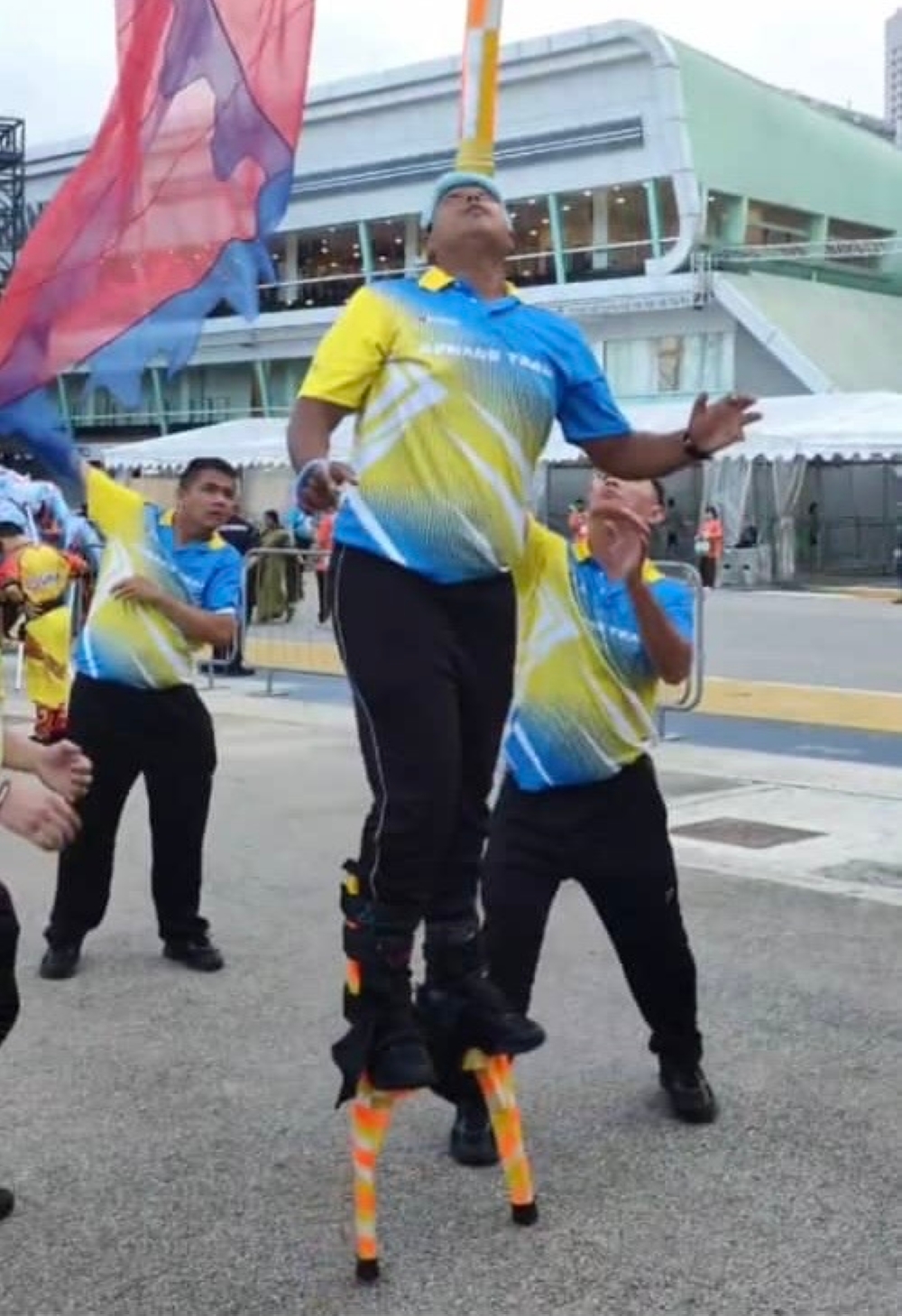
It has been 23 years since Hafiz learnt to balance his first bamboo pole, and now he has mastered the acrobatic skill of catching it with his mouth while standing on stilts, a bench or a ladder.
He said throughout the years of training, he has injured his forehead and chipped his teeth countless times, but this only made him more determined to master the acrobatic tricks of Chingay.
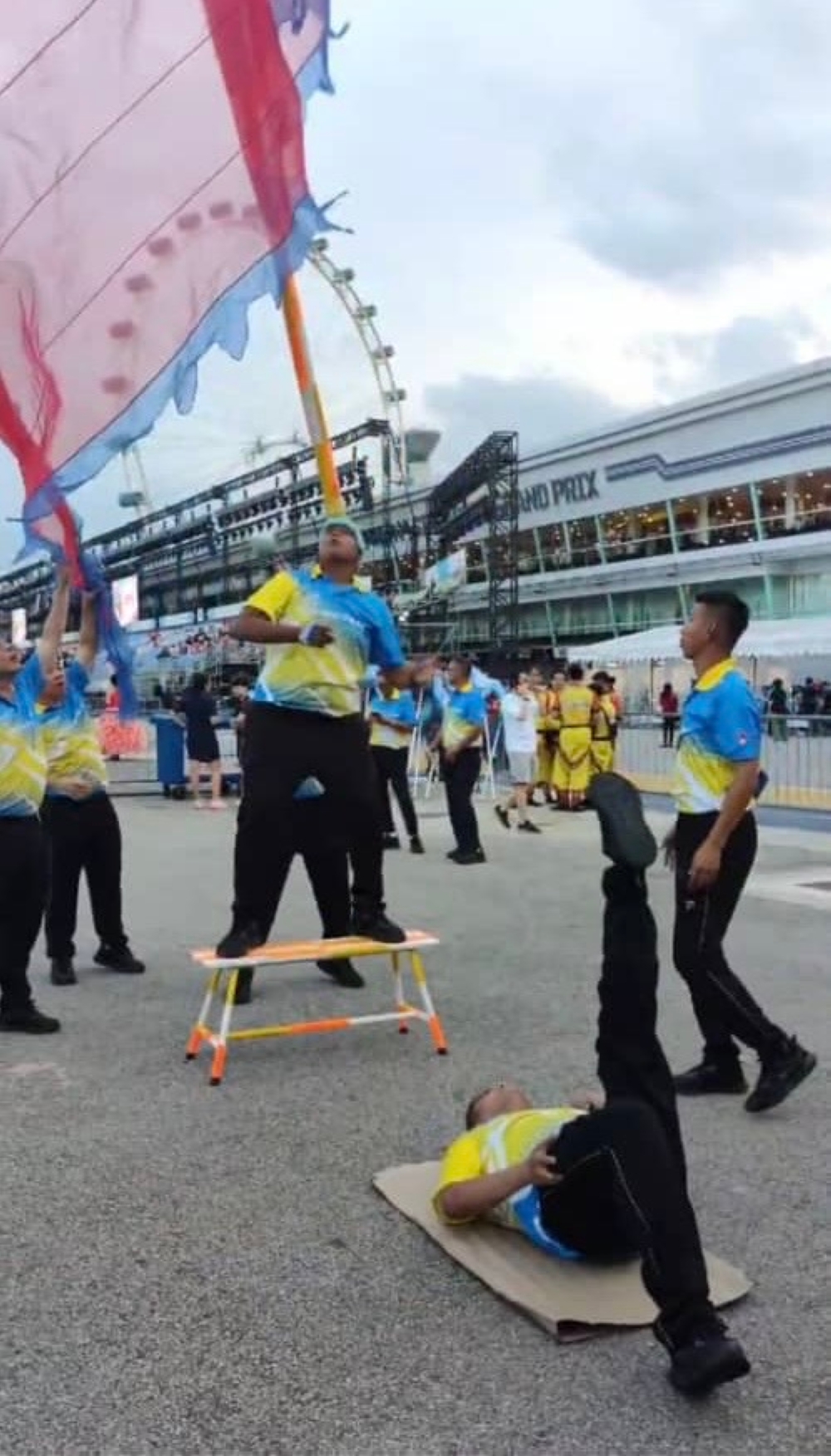
In Penang, Chingay acrobatics involve one performer flipping the giant flag to be caught by another performer with their mouth or their forehead.
Often, the difficulty of the acrobatics varies, as the catcher may switch positions from standing on stilts or a bench to balancing on a ladder.
Hafiz said it takes a lot of discipline and dedication to learn the tricks, and once mastered, regular training keeps the performer in shape.
Hafiz used to train in Chingay acrobatics with his brother, Shahril Fizat, and the brothers were so good that they were declared champions in the Penang Chingay Competition in 2018.
“We used to train together, but now, he is working in Kuala Lumpur with a job that doesn’t give him much spare time to train,” Hafiz said.
Hafiz now leads his own team of Chingay performers in Sungai Pinang and is encouraging more Malay performers to join his team.
“My sister used to perform too when she was younger, but now that she’s married, she no longer performs,” he told Malay Mail.
His Sungai Pinang team currently has about 20 Malay and 10 Indian performers, but most can only balance the giant flags and have yet to learn acrobatics.
“It is not an easy skill to learn and it requires regular training, but since we seldom have training sessions due to our different jobs and schedules, it’s not easy,” he said.
He said Chingay should be considered a cultural sport, much like wushu, as it requires not only strength but also agility and patience.
“Although we know it started out as a religious performance a long time ago, it is now a sport, an acrobatic performance that transcends race and religion,” he said.
Hafiz said that Chingay keeps him fit and strong, and he has no plans to give up the sport.
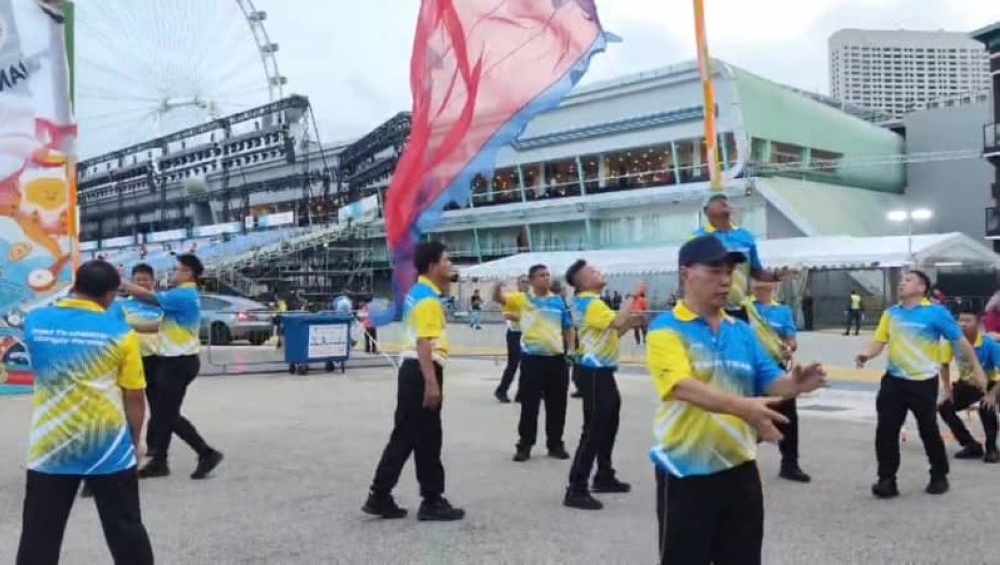
He also joined the Penang Chingay team to participate in the Singapore Chingay Extravaganza that was held during Chinese New Year.
“It is my hope to join in more Chingay performances internationally to showcase our acrobatic skills,” he said.


