


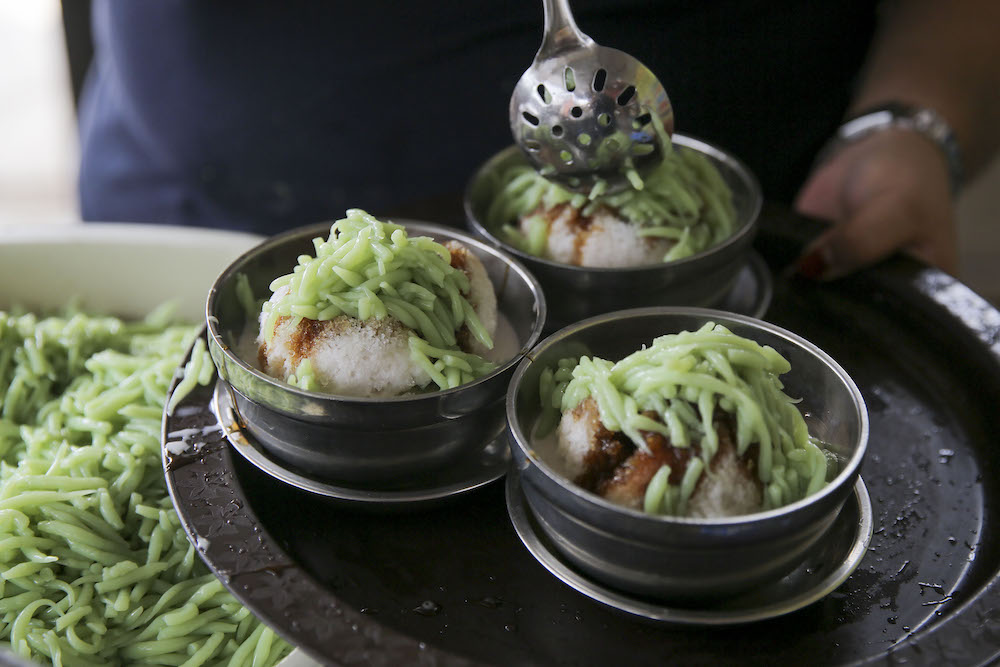
COMMENTARY, Dec 4 ― In the eternal war between Malaysia and Singapore over who has the better food or where chicken rice really comes from, the latest subject of the frequently juvenile argument is cendol.
But is cendol even uniquely Malaysian? Why can't it be Singaporean, as suggested by CNN in its latest list of “50 of the world's best desserts''?
Well, here's the thing. We call the dessert cendol in Malaysia and Singapore but in Indonesia, it's called dawet.
And In Thailand it's lot chong. How about in Vietnam? Well, they call it banh lot.
If anything, cendol is probably native to South-east Asia as a whole. And there are suggestions that Indonesia, or Java to be more specific, probably has the strongest case to lay claim to the provenance of cendol.
The eternal sniping over who has the best food or culture between Singapore and Malaysia is probably rooted in the fraternal rivalry that has existed since Singapore was kicked out of the Malaysian federation in 1965.
Both countries share similar cultures and food, but instead of being something we can bond over, what we eat and who has the best whatever is always a bone of contention.
But food culture should not belong to anyone or any one country. Food is something to be shared.
Take cendol as an example. It's an amazing dessert because so many countries in South-east Asia have their own versions.
Another example is tempura, which are battered and deep fried vegetables or seafood, and can be found in nearly every Japanese restaurant around the world.
But you know something? Tempura is not even a Japanese word. It's from the Latin. It just means times.
You see the Japanese learned the technique behind tempura frying from Portuguese missionaries in the 16th century. These Catholic clergymen in Nagasaki would use batter and deep fry their food to observe the quatuor tempora, or ember days for fasting and abstinence.
If you want to try the real McCoy, go to Portugal and order a peixinhos da horta, which is really what a Japanese tempura is based on.
Today, we call this cultural appropriation.
Speaking of which, if you enjoy ramen, you must know that it's actually Chinese, right? Ramen to the Japanese is just lamian to the Chinese.
So we've been appropriating each other's foods since forever.
What's my point then? Let's just share that cendol lah.


