















KUALA LUMPUR, March 15 — The Malaysian Bar is set to debate a motion at its annual general meeting (AGM) that calls on the government to amend its controversial National Security Council (NSC) Bill 2015 by removing provisions that deal with the security forces.
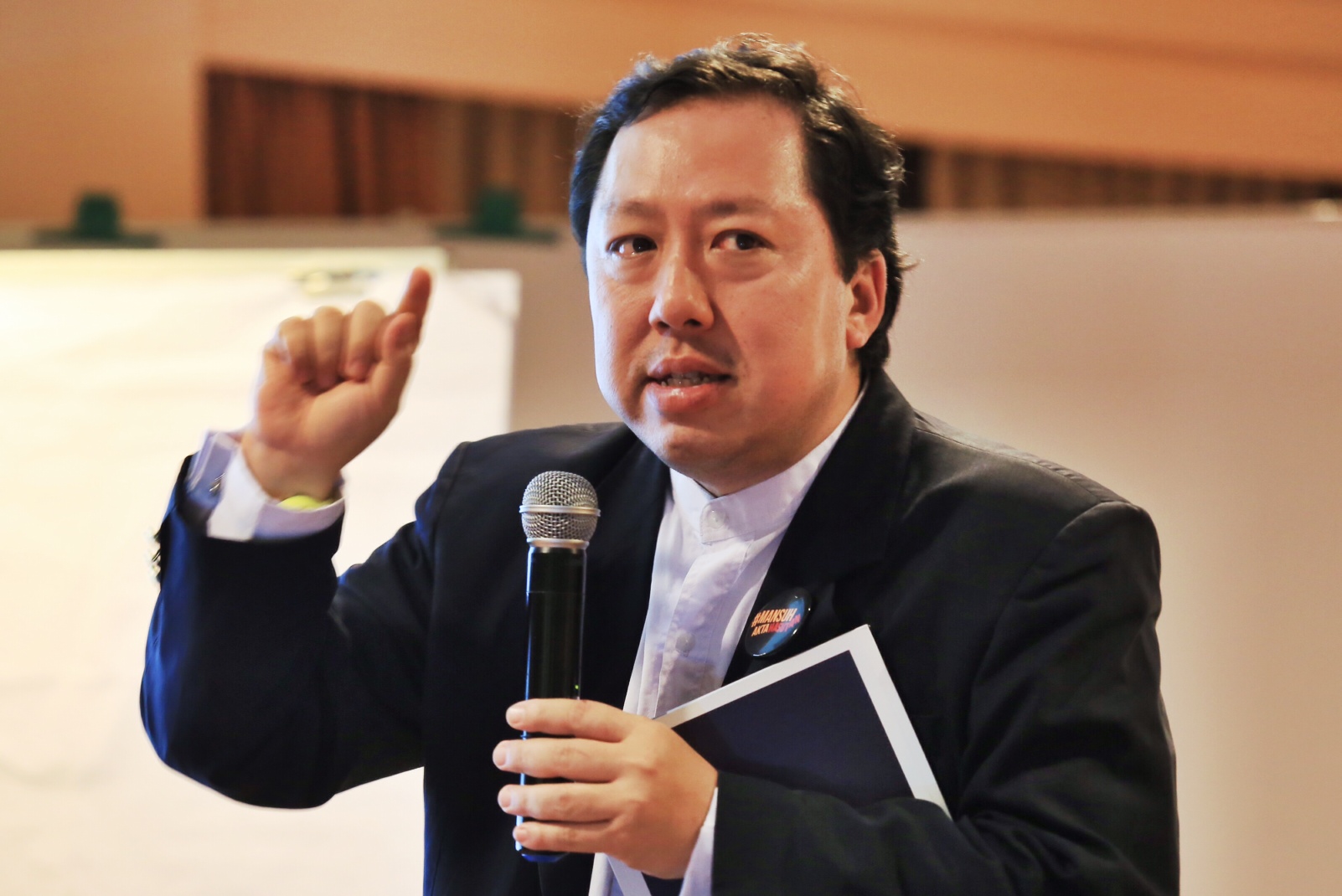
The motion proposed by Andrew Khoo also called for the Bill, which has been criticised for granting the executive sweeping emergency powers, to be revised by making the NSC “purely advisory”, so that the council would be responsible only for giving the government advice and recommendations on national security policies.
“The passing [sic] of the NSC Bill represents the granting of unbridled power to the Executive which is not matched by the enactment of any safeguards constraining the same;
“The enactment of the NSCB is tantamount to reintroducing wide and arbitrary executive powers previously repealed under the Internal Security Act 1960 and enlarging the sphere of Executive authority which is immune from public accountability, in complete administration of justice,” read the motion scheduled for discussion at the Malaysian Bar’s 70th AGM this Saturday.
According to the motion sighted by Malay Mail Online, all provisions in the NSC Bill that deal with the operations of security forces should be removed and that security forces should “instead abide by their existing operational guidelines, procedures and in accordance with their respective chains of command and control”.
The Conference of Rulers said last month that some provisions in the NSC Bill should be refined, after the Bill was passed by the Dewan Rakyat and Parliament’s Upper House last December.
The NSC Bill proposes to allow the NSC — which would be chaired by the prime minister — to take command of the country’s security forces and to impose strict policing of areas deemed to face security risks.
According to the Bill, the jurisdiction of the NSC takes effect once the prime minister designates a location as a “security area” — a status that is valid for six months at a time, subject to renewal by the prime minister.
The Bill empowers security forces to arrest people without a warrant, to take action against those who do not abide by an evacuation order in a security area, and also to carry out searches of vehicles or premises within the security area without a warrant.